Shoppers comparing sugars in morning drinks
A no-added-sugar claim is a useful starting point, but the sugars figure for the prepared drink tells you more about what is in the glass. Check the dilution directions before comparing two products.


Diabetes UK identifies water as an all-round drink. If you want a flavoured drink with a quick breakfast, a no-added-sugar cordial or squash is another option: compare sugars at the stated dilution and check the ingredients. Fruit juice can contribute sugars even when none has been added, and cordial is a drink alongside breakfast, not a replacement for food.
A no-added-sugar claim is a useful starting point, but the sugars figure for the prepared drink tells you more about what is in the glass. Check the dilution directions before comparing two products.
Diabetes UK identifies water as an all-round drink. For a flavoured alternative, check carbohydrate in the prepared serving and ask your diabetes healthcare team about questions specific to your plan.
Read the exact bottle’s ingredients if sulphites matter to you. The Food Standards Agency notes a higher risk of reacting to sulphur dioxide for people with asthma. For frequent sipping, also bear in mind NHS oral-health guidance that no-added-sugar drinks can be acidic and may cause tooth wear.
Start with whether you want water or a flavoured drink; if choosing cordial, compare it as prepared rather than judging the concentrate or front label alone.
| Priority | What to check | Your needs |
|---|---|---|
| Sugars in the glass | Check “of which sugars” for the prepared serving and its dilution ratio. “No added sugar” does not mean zero sugars: Tesco Groceries lists 1.1g per 250ml for Belvoir Farm Sicilian Lemon & Lime diluted 1:6, while Waitrose lists 2.5g per 250ml for Belvoir Apple & Blackcurrant at the same dilution. | I want a flavoured drink at breakfast and need to know how much sugar is in the glass I will make. |
| Diabetes-aware planning | Check total carbohydrate for the diluted serving, not just the no-added-sugar wording. Diabetes UK identifies water as an all-round drink and advises seeking individual advice from a diabetes healthcare team where needed. | Water may suit my routine; if I choose cordial, I want its prepared-serving information to fit the plan I follow. |
| Ingredients | Read the current ingredient and allergen label for sweeteners and sulphites. The Food Standards Agency notes a higher risk of reaction to sulphur dioxide for people with asthma. | I need to check the particular bottle for ingredients I avoid, rather than assuming similar-looking cordials use the same recipe. |
| Frequent sipping | Consider when you will drink it, as well as its sugar content. NHS oral-health guidance says no-added-sugar drinks can be acidic and may cause tooth wear. | If I tend to sip a drink throughout the morning, water is the simpler option to keep at hand. |
| Breakfast routine | Check how the concentrate is diluted and whether you can prepare the drink before leaving. Keep the drink separate from your choice of breakfast food. | I want something manageable on a rushed morning, without treating a glass of cordial as breakfast itself. |
Fruit juice can contribute sugars to a cordial with no added sugar. Tesco Groceries lists 1.1g sugars per 250ml diluted serving for Belvoir Farm Sicilian Lemon & Lime.
Compare the sugars figures at each product’s stated dilution; do not compare a concentrate figure with a ready-to-drink serving.
Sweeteners and preservatives vary between products. The Food Standards Agency notes a higher risk of reaction to sulphur dioxide for people with asthma.
Check the current bottle’s ingredient and allergen information if you avoid a particular sweetener or sulphites.
NHS oral-health guidance says no-added-sugar drinks can be acidic and may cause tooth wear, particularly relevant when deciding what to sip frequently.
Consider water for repeated sipping between meals rather than relying on the sugar claim alone.
Cordial is a diluted drink, not breakfast food.
Choose breakfast food separately, whether you take water or cordial with it.
These examples illustrate label differences between product lines; they are not a list of brands available in the product cards below.
Robinsons distinguishes its squash range from its classic cordials.
Its no-added-sugar cordials illustrate why fruit content and sugars per prepared glass are separate label checks.
Its No Added Sugar Lime Cordial provides a labelled example for comparing prepared servings.
Its Lime Cordial is another no-added-sugar product with a stated diluted-glass figure.
These no-added-sugar squashes are options for making a flavoured drink alongside a quick breakfast. Compare the current pack’s prepared-serving label before choosing one for a particular sugar or ingredient requirement.
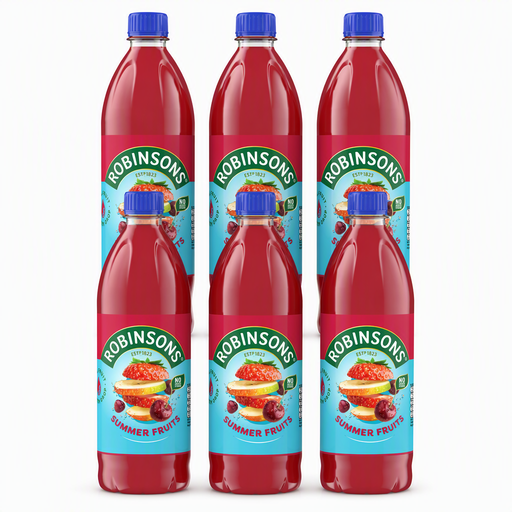 No image available
The six-bottle format is an option if you make diluted squash at home. Check the current pack’s prepared-serving sugars and carbohydrate figures before using them to compare drinks, and read the ingredients if sweeteners or sulphites matter to you.
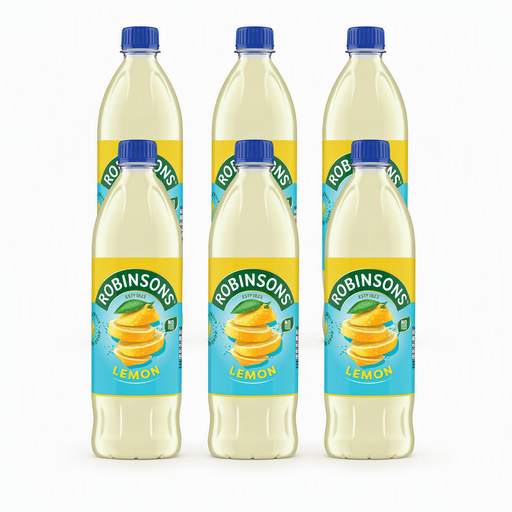 No image available
This lemon squash comes as six 1L bottles for making a diluted drink at home. Check the pack’s dilution directions and prepared-serving nutrition before comparing it with another cordial, and read its ingredient warnings if relevant to your diet.
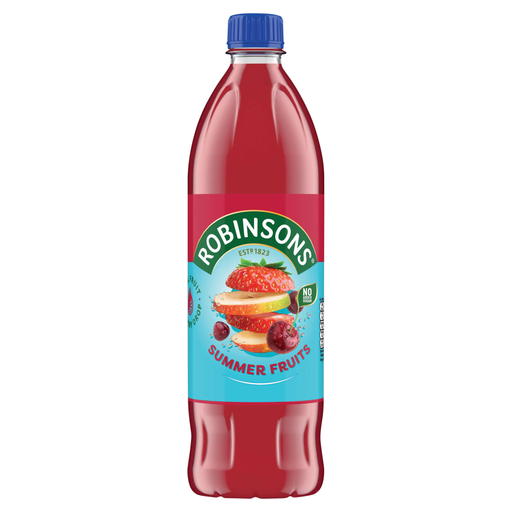 No image available
The single 1L bottle offers a smaller pack choice than the six-bottle Summer Fruits option. Use the current pack’s dilution and nutrition information for any prepared-serving comparison, and check the ingredients if you avoid particular sweeteners or sulphites.
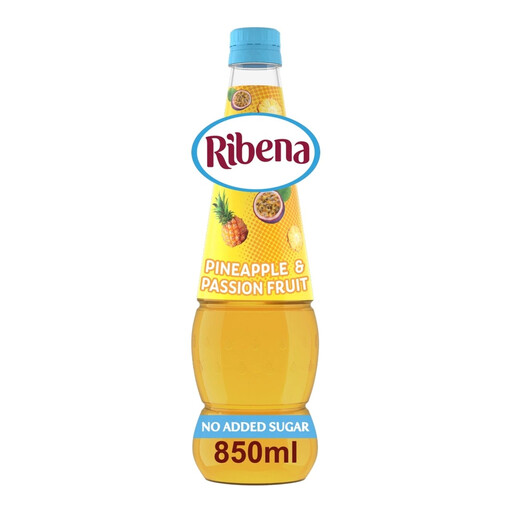 No image available
This 850ml squash is a pineapple and passion fruit option to dilute for a morning drink. Check the current pack for its prepared-serving sugars, dilution directions and ingredient warnings before deciding whether it fits your needs.
No. Sugars naturally present in fruit juice can remain. Tesco Groceries lists 1.1g sugars per 250ml diluted 1:6 serving for Belvoir Farm Sicilian Lemon & Lime; compare products using the sugars figure and dilution on their current labels.
Check the carbohydrate in the drink as prepared rather than relying on a no-added-sugar claim. Diabetes UK identifies water as an all-round drink and advises speaking to your diabetes healthcare team for individual advice about sweeteners where needed.
Do not judge frequent sipping by sugar content alone. NHS oral-health guidance says no-added-sugar drinks can be acidic and may cause tooth wear; water is a straightforward alternative between meals.
Yes, if sulphites are relevant to you: read the current bottle’s ingredient and allergen declaration. The Food Standards Agency notes that people with asthma have a higher risk of reacting to sulphur dioxide.
No. Cordial is a drink to have alongside breakfast, not breakfast food. Choose something to eat separately, whether your drink is water or diluted cordial.