Hosts offering a no-added-sugar option
Compare the sugars in the drink as prepared, not just the claim on the front of the bottle. Guests may also have different preferences about sweeteners.


For a brunch where guests want to avoid added sugar, offer a clearly labelled no-added-sugar cordial, but check its sugars when diluted and the sweeteners it contains. A conventional cordial may suit guests who prefer that formulation and do not need a no-added-sugar option; for allergies or vegan diets, choose by the exact bottle’s current label rather than its fruit flavour or sugar claim.
Compare the sugars in the drink as prepared, not just the claim on the front of the bottle. Guests may also have different preferences about sweeteners.
Check the exact bottle’s ingredients and allergen information before pouring. If phenylketonuria (PKU) is relevant, the NHS says aspartame is unsuitable for that guest.
Look for an explicit vegan suitability statement on the product rather than assuming a fruit-flavoured or no-added-sugar cordial is vegan.
Start with the type of cordial your guests want, then check the prepared drink and any dietary restrictions against the particular bottle.
Choose when: Guests want an option without added sugar and are comfortable with its listed sweeteners.
Bear in mind: It may still contain naturally occurring sugars, and sweeteners differ between products.
Choose when: Guests prefer a sugar-sweetened cordial and do not need a no-added-sugar option.
Bear in mind: It will not meet a no-added-sugar requirement; M&S lists sugar in its Raspberry, Rhubarb and Hibiscus cordial.
| Priority | What to check | Your needs |
|---|---|---|
| Sugars | Read the claim and the sugars value for the prepared drink. Check the dilution used for that value; no added sugar does not mean sugar-free. | I want guests to be able to choose without mistaking a no-added-sugar label for a statement that the poured drink contains no sugars. |
| Sweeteners | Read the ingredient list for the sweetener used. If a guest has PKU, check specifically for aspartame; the NHS says it is unsuitable for people with PKU. | Some guests may have a sweetener preference, while a guest with PKU needs the aspartame check before the drink is served. |
| Allergens | Check the current bottle’s ingredient and allergen declaration for the exact product. Keep its packaging available when serving. | If a guest has an allergy or intolerance, I need product-specific information rather than an assumption about a brand or fruit flavour. |
| Vegan suitability | Look for an explicit statement on the exact product. Continue to check ingredients and allergens for any separate dietary restrictions. | A vegan guest needs a clearly labelled option; a no-added-sugar claim alone does not answer that question. |
| Preparation | Follow the bottle’s dilution instructions, then check its storage directions after opening. | When making a jug for brunch, I want the drink prepared as directed and the remaining cordial stored according to its label. |
Fruit-based cordial can contain naturally occurring sugars even when none has been added.
Compare the sugars value for the drink at the stated dilution, and use a sugar-free claim only if the particular product carries it.
Ingredient lists differ. Waitrose & Partners lists aspartame in Ribena Blackcurrant Squash No Added Sugar, and the NHS says aspartame is unsuitable for people with PKU.
Check each bottle’s sweetener before serving, particularly if a guest has PKU or avoids a particular ingredient.
A fruit-flavoured drink should not be assumed suitable for a guest with an allergy or intolerance. Some of the Robinsons options listed below flag sulphites.
Read the current bottle’s declaration and leave the packaging available for guests who need to check it.
Tesco notes that food ingredients, nutrition and allergen details can change when products are reformulated.
Before brunch, check the bottle you will actually serve, including its ingredients, nutrition, dilution and storage instructions.
These examples illustrate label differences; they do not establish that every cordial from a brand or retailer has the same ingredients or dietary suitability.
Waitrose & Partners lists Robinsons Mini No Added Sugar Orange Squash with a vegan suitability statement.
Tesco Groceries lists a Belvoir Farm no-added-sugar cordial in its cordial category.
Sainsbury's lists a no-added-sugar lime cordial made with 30% fruit juice from concentrate and a sweetener.
M&S lists Raspberry, Rhubarb and Hibiscus cordial with sugar among its ingredients.
Waitrose & Partners lists Belvoir Cherries & Berries No Added Sugar Cordial as suitable for vegans and vegetarians.
These Robinsons squash concentrates are options to consider when offering a no-added-sugar drink at brunch. Check each variant’s label for guest-specific requirements; this selection does not cover the conventional-cordial route.
 No image available
An orange squash option for guests seeking a no-added-sugar drink; its product description also states vegan suitability. Check sugars at the instructed dilution, and check the current allergen declaration for guests affected by sulphites.
 No image available
A summer-fruits squash option whose product description states vegan suitability. Check the prepared drink’s sugars against the bottle’s dilution instructions, and review its sulphite declaration for affected guests.
 No image available
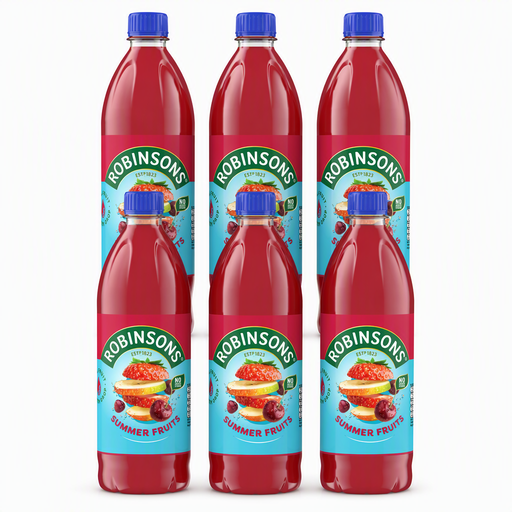
A no-added-sugar summer-fruits option, but check the supplied quantity before buying: the title says 6x1L while the description says 1L. Its listed aspartame makes it unsuitable for a guest with PKU, according to NHS guidance. Check the current sulphite declaration and sugars at the instructed dilution.
No image available
A no-added-sugar lemon squash option. Confirm the supplied quantity before buying because the title says 6x1L but the description says 1L. Its listed aspartame is unsuitable for a guest with PKU, according to NHS guidance; check the bottle’s dilution instructions before using its sugars value to compare prepared drinks.
 No image available
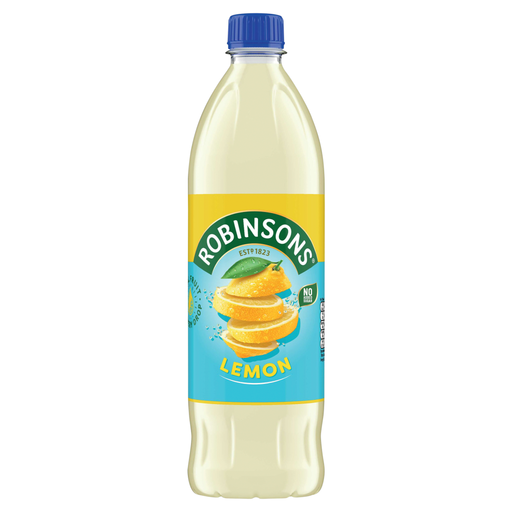
A 1L no-added-sugar lemon squash option to dilute for brunch. Its listed aspartame is unsuitable for a guest with PKU, according to NHS guidance. Check the current sulphite declaration for affected guests and the bottle’s sugars value for the prepared drink.
No. A no-added-sugar cordial can still contain naturally occurring sugars. Check the sugars value for the drink prepared at the bottle’s stated dilution rather than treating the two claims as interchangeable.
Check the exact bottle’s current ingredients and allergen declaration before serving, and keep the packaging available for the guest to read. Do not assume another flavour or product from the same brand has the same formulation.
The sugar claim does not answer that question: check the sweetener in the exact product. The NHS says aspartame is unsuitable for people with phenylketonuria (PKU); Waitrose & Partners lists aspartame and a phenylalanine warning for Ribena Blackcurrant Squash No Added Sugar.
Choose a product that explicitly states vegan suitability rather than relying on its no-added-sugar claim. Waitrose & Partners labels its Belvoir Cherries & Berries example and Robinsons Mini Orange example as suitable for vegans; check the exact bottle you serve.
Dilute it according to the particular bottle’s instructions and follow its directions for storage after opening. Check those instructions before making a jug or putting the remainder away.