Volunteer hosts serving mixed-age visitors
Keep the choice straightforward to serve, with water or a no-added-sugar option available and bottle labels accessible for ingredient checks.


Choose cordial and sparkling water if you can mix drinks on site and want to adjust their strength; use each bottle’s dilution instructions to plan the water and cups. Ready-to-drink sparkling beverages avoid mixing and suit sealed, grab-and-go service, but check each product’s ingredients and any storage instructions before serving.
Keep the choice straightforward to serve, with water or a no-added-sugar option available and bottle labels accessible for ingredient checks.
Compare the finished-drink yield with the bottles you will need to carry. Cordial requires sparkling water, cups and measured mixing; ready-to-drink products need no dilution.
Plan how drinks will be prepared and labelled, and check with the local authority for the sale location whether food-business requirements apply to your stall.
Decide whether you can mix drinks at the stall, then calculate servings and check the labels of the exact products you intend to use.
| Priority | What to check | Your needs |
|---|---|---|
| Serving method | For cordial, allow for sparkling water, cups and a repeatable measure. For ready-to-drink beverages, check the container format and any chilling instructions. | If drinks need to be handed over sealed, I would choose a ready-to-drink format. If we can mix at the stall, cordial lets us adjust the strength. |
| Finished-drink yield | Use the exact bottle’s dilution ratio and stated serving basis. Waitrose & Partners suggests one part Waitrose No.1 Elderflower Cordial to four parts water and states that its 500ml bottle makes 2.5 litres; its Belvoir Raspberry & Lemon listing specifies 1:10 dilution. | I need to work out how much sparkling water and how many cups to bring, rather than compare cordial bottle sizes alone. |
| Sugar and sweeteners | Compare nutrition on the prepared-drink basis shown on each label, and distinguish a no-added-sugar claim from a sugar-free claim. Check whether a product contains sweeteners. | For visitors who prefer a no-added-sugar option, I would make the choice clear alongside water and any sugar-sweetened drinks. |
| Ingredients | Read the current ingredients and allergen declaration on every pack used. Do not assume cordials with similar flavours have the same recipe. | Anyone serving drinks should be able to show visitors the relevant bottle label before they choose. |
| After opening | Check whether each cordial or larger ready-to-drink bottle needs refrigeration and how soon its contents must be used after opening. | I would open only what the stall can serve and store according to the pack instructions afterwards. |
Dilution ratios differ. Waitrose & Partners gives a 1:4 cordial-to-water suggestion for Waitrose No.1 Elderflower, while its Belvoir Raspberry & Lemon listing says to dilute 1:10.
Calculate water and cup quantities from the instructions for the bottles you actually buy.
A different yield from the one planned may mean bringing additional sparkling water or cordial.
Sugar-sweetened and no-added-sugar cordials are different formulations; a no-added-sugar product may contain sweeteners.
Compare the labels on a prepared-drink basis and make any alternative clearly identifiable when serving.
Post-opening refrigeration and use-within instructions vary by product.
Keep the bottles for their storage instructions, and plan how opened drinks will be refrigerated and used.
GOV.UK Food Standards Agency guidance discusses food and drink businesses operating from temporary premises, including stalls. Whether your activity falls within food-business requirements depends on how it operates.
Before selling drinks, ask the local authority for the sale location which requirements apply to your stall.
These examples show why the individual product label matters; they do not describe every drink sold under a brand or retailer name.
Fruit cordial examples for mixing with sparkling water include Raspberry & Lemon and Lemon & Lime No Added Sugar.
Its reviewed Elderflower and Ginger cordials are described by Waitrose & Partners as suitable for mixing with sparkling or still water.
Waitrose & Partners lists Robinsons Crushed Lime & Mint Fruit Cordial in a 500ml format.
Tesco Groceries lists ready-to-drink sparkling flavoured water, including a No Added Sugar Apple & Raspberry 4 x 500ml multipack.
These sparkling drinks suit the no-mixing side of the car boot sale decision. They are ready-to-drink alternatives, not cordial concentrates for mixing to a chosen strength.
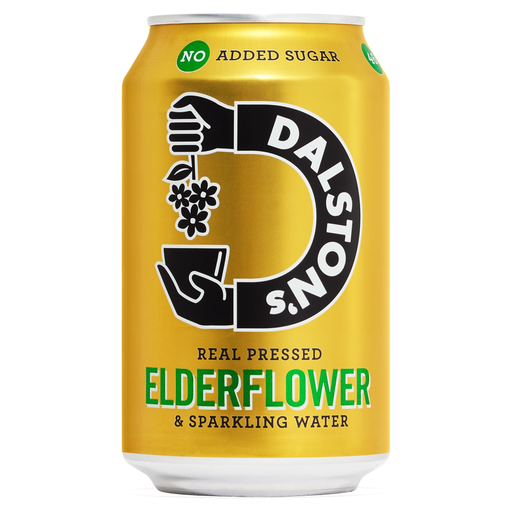 No image available
A 330ml sparkling drink for serving without dilution. Check the pack’s current ingredients and sugar information when planning drink choices for visitors.
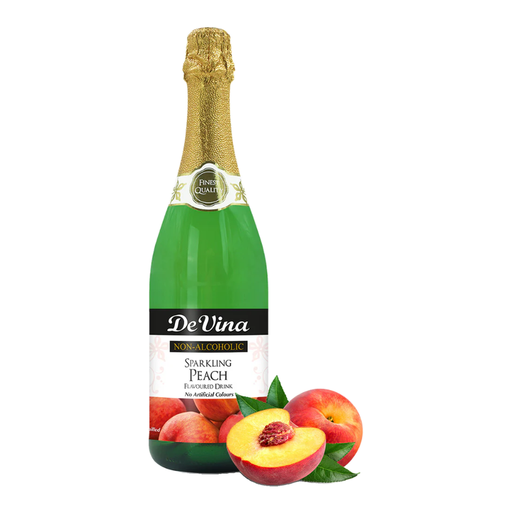 No image available
A 750ml sparkling peach drink that needs no dilution. Check the pack for sulphites before serving; once opened, refrigerate and use within three days.
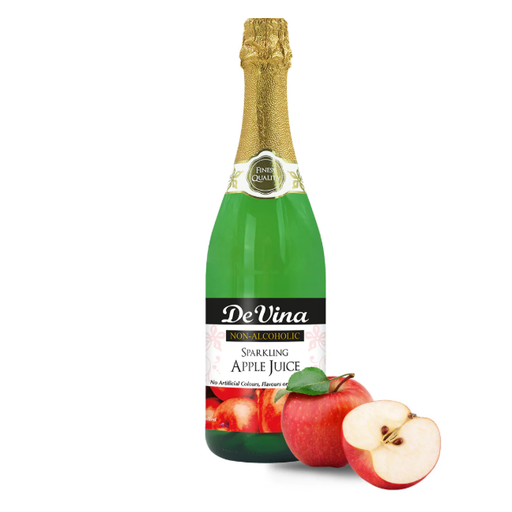 No image available
A 750ml sparkling apple drink for service without mixing. Allow for careful handling of its glass bottle; refrigerate after opening and use within three days. Check the pack’s nutrition panel before making a sugar comparison.
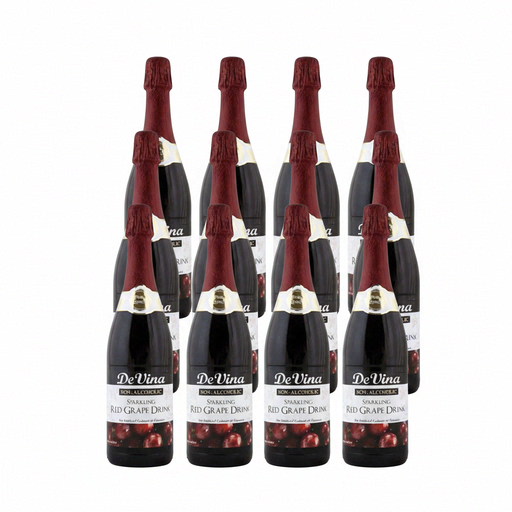 No image available
A case of 12 ready-to-drink sparkling grape bottles avoids on-site mixing. Check the individual bottle volume for serving plans and the pack’s sugar information when comparing drink choices; refrigerate opened bottles and use within three days.
Yes, if the chosen cordial’s instructions allow it. Waitrose & Partners says its Belvoir Raspberry & Lemon listing can be diluted 1:10 with water or sparkling water, while Waitrose No.1 Elderflower suggests one part cordial to four parts sparkling or still water. Follow the ratio on your bottle.
Water or a no-added-sugar option gives visitors a choice alongside sugar-sweetened drinks. NHS guidance suggests water or sugar-free, diet or no-added-sugar drinks as alternatives to sugary fizzy drinks or squash when cutting down sugar. Check each product’s ingredients and nutrition label; no added sugar does not necessarily mean sugar-free.
Ask the local authority for the sale location whether your activity counts as a food business and what requirements apply. GOV.UK Food Standards Agency guidance includes temporary stalls when describing food and drink businesses; do not assume the event type alone settles the question.
Follow each bottle’s refrigeration and use-within instructions rather than applying one period to every cordial. Open only the quantity you expect to serve if you cannot store leftovers as the pack directs.
Keep the current pack for every drink being served where staff can read it. Check its ingredient and allergen declaration before serving, particularly when offering several cordial flavours or ready-to-drink alternatives.