No-added-sugar cordial diluted as directed can flavour your fluids on an easy ride, but it should not be treated as ride fuel; the NHS recommends water for replacing lost fluids. For rides longer than 90 minutes, British Cycling advises planning additional fuel, generally 30–60 g of carbohydrate per hour. Check what your prepared drink contributes, and plan food or a suitable sports drink alongside your fluids as needed.
Who is each drink choice for?
Cyclists on shorter, easier rides
If you want flavour in your bottle without choosing a sugary drink for an easy ride or commute, consider a no-added-sugar cordial diluted as directed. The NHS recommends water for replacing lost fluids and advises diluting cordial well to reduce its sugar content.
Riders planning longer sessions
If your ride lasts longer than 90 minutes, plan fuel as well as fluids. British Cycling advises additional carbohydrate for sessions of that length; ordinary cordial should not be assumed to provide the amounts in your plan.
Shoppers checking ingredients
If particular sweeteners, allergens or other ingredients matter to you, compare the exact flavour and bottle you intend to buy. A no-added-sugar description does not tell you everything in the drink.
What should you check before choosing?
No-added-sugar cordial
Consider it: When you want a flavoured drink for everyday use or an easier ride.
Bear in mind: It may contain sweeteners and is not a substitute for planned fuel on a long ride.
Carbohydrate sports drink
Consider it: When drink-based carbohydrate fits your plan for a longer or demanding ride.
Bear in mind: Match the drink’s carbohydrate and electrolyte amounts to the session rather than choosing it automatically for an easy ride.
Sugar-containing cordial
Consider it: When you prefer its flavour and intend to account for its sugar.
Bear in mind: A cordial label alone does not establish whether the prepared drink meets an endurance-fuelling plan.
| Priority | What to check | Your needs |
|---|
| Everyday fluids |
Check sugars in the diluted drink and follow the bottle’s dilution directions. The NHS recommends water for replacing lost fluids. |
I want flavour for an easy ride or during the day without making a sugary drink my default. |
| Long-ride fuel |
Check carbohydrate per prepared serving and how much you plan to drink. For sessions over 90 minutes, British Cycling advises generally planning 30–60 g of carbohydrate per hour. |
On a longer ride, I need to know how my drink and food together contribute to my fuel plan. |
| Electrolytes |
Check whether the drink declares electrolytes and their amounts per serving. British Cycling advises replacing fluids and electrolytes during prolonged exercise involving sweat loss. |
If I expect a prolonged, sweaty session, I want to assess the drink against my wider hydration plan. |
| Dilution |
Compare nutrition on the same prepared-drink basis, noting whether the label uses 100 ml or a full serving. Check the stated concentrate-to-water ratio. |
I want to know what will be in my finished bottle, not compare concentrate with a ready-to-drink product. |
| Ingredients |
Read the current ingredients and highlighted allergen information for the exact product. Check named sweeteners if you prefer or avoid particular ones. |
Specific ingredients matter to me, so the front-of-pack no-added-sugar wording is not enough. |
What mistakes should you avoid?
-
Treating diet cordial as endurance fuel
Tesco lists 0.2 g carbohydrate per 250 ml diluted glass of its lime cordial. British Cycling advises generally planning 30–60 g of carbohydrate per hour for sessions longer than 90 minutes.
For a longer ride, add up carbohydrate from your prepared drink and planned food, then choose how to meet the session’s fuel needs.
-
Comparing drinks at different dilutions
A value for concentrate, a 100 ml prepared drink and a full glass describe different amounts. Sainsbury's, for example, states a 1:4 dilution for its no-added-sugar lime cordial.
Follow each bottle’s directions and compare the nutrition for the amount you will actually drink.
-
Assuming no added sugar settles the ingredient question
A no-added-sugar claim does not identify every ingredient or tell you whether a product meets your particular dietary requirements.
Read the current ingredients and allergen information on the exact bottle, particularly when an ingredient matters to you.
-
Using sweet cordial without considering the serving
Sugar-containing cordial contributes sugar according to the product and dilution used. The NHS advises diluting cordials well to reduce their sugar content.
Check sugars in the prepared drink and decide whether that contribution is intentional for the occasion.
Which brand and retailer ranges are relevant?
These examples show why the exact product label matters; a retailer’s range does not imply that every bottle has the same ingredients or nutrition.
Robinsons
A familiar squash option for shoppers considering no-added-sugar flavours.
- Robinsons says it removed added sugars from its core squash range.
- That statement does not establish the nutrition or ingredients of every Robinsons product; check the chosen bottle.
Tesco
Its lime cordial offers a concrete prepared-serving figure for comparison.
- Tesco lists 0.2 g carbohydrate and 0.2 g sugars per 250 ml glass when diluted as instructed.
- That carbohydrate amount should not be treated as a long-ride fuel plan.
Sainsbury's
Its no-added-sugar lime cordial states both a dilution ratio and prepared-serving nutrition.
- Sainsbury's specifies one part cordial to four parts water, with 2.1 g carbohydrate and under 0.5 g sugars per 250 ml prepared serving.
- Check the current ingredients and allergens as well as the nutrition panel.
M&S
An example for shoppers considering a sugar-containing fruit-flavoured cordial.
- Marks & Spencer lists 5.4 g carbohydrate and 4.9 g sugars per 100 g for its Sicilian lemon and Mexican lime cordial.
- Check its preparation instructions before comparing that per-100 g figure with a diluted serving from another product.
Waitrose
Its no-added-sugar squash and cordial category includes own-label and branded products.
- The Waitrose category includes own-label High Juice and Robinsons no-added-sugar examples.
- Use the individual product label, rather than the category name, to check ingredients and prepared-drink nutrition.
Joybuy drink options for cycling
These options include a no-added-sugar squash for flavouring fluids and sports drinks to assess against a longer ride’s carbohydrate and electrolyte plan. Check each current label before deciding what fits your session.
 No image available
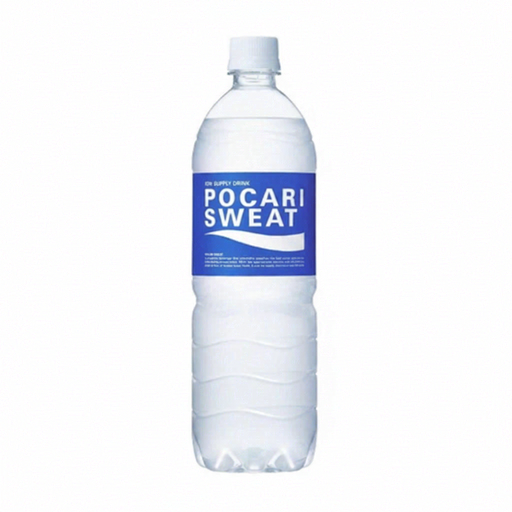
Pocari Sweat Drink 900ml
This sports drink is an option to assess if you plan to take in carbohydrate through your drink on a longer ride. Check the current carbohydrate and sodium amounts against your planned intake; it is not a no-added-sugar cordial.
View on Joybuy
 No image available
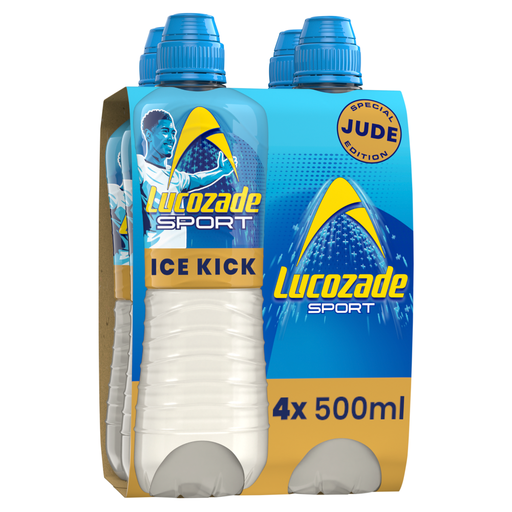
Lucozade Sport Lemon & Lime 4x500ml
The four-bottle sports-drink pack may suit a plan that includes drink-based carbohydrate; check the current nutrition and salt information for the amount you intend to drink. Product information states it is not suitable for people with phenylketonuria, so check the pack warning if this applies to you.
View on Joybuy
 No image available
Robinsons No Added Sugar Orange Squash 1L
This no-added-sugar squash is a flavouring option for everyday fluids or an easier ride when diluted as directed. Do not count on it as long-ride fuel; check the current dilution instructions, prepared-drink nutrition, sweeteners and allergen information.
View on Joybuy
Questions about cordial and cycling
Can I take no-added-sugar cordial on an easy ride?
Yes, you can use it to flavour a drink if you dilute it as directed, but it is not automatically cycling fuel. The NHS recommends water for replacing lost fluids and advises diluting cordial well to reduce its sugar content.
What should I drink on a ride longer than 90 minutes?
Choose fluids and food or a drink that fit your wider fuelling plan. British Cycling advises additional fuel for sessions over 90 minutes, generally 30–60 g of carbohydrate per hour; check the prepared drink’s carbohydrate contribution rather than assuming cordial or a sports drink meets that amount.
Does no added sugar mean a cordial has no sweeteners?
No. A no-added-sugar claim does not mean sweetener-free, so read the ingredients if a particular sweetener matters to you. The NHS describes approved sweeteners as acceptable alternatives to sugar, but that does not make every cordial suitable for every individual preference or need.
What if I need to check for allergens?
Read the ingredients and highlighted allergen information on the current bottle of the exact flavour you intend to use. Do not rely on a no-added-sugar claim or a different product in the same range to answer an allergen question.


