Choose a cordial with confirmed glass packaging if the bottle will be part of your New Year's Eve drinks display: Waitrose & Partners identifies its No.1 Raspberry & Pomegranate Cordial as glass-bottled. If the number of prepared drinks matters more, compare dilution instructions instead; Tesco Groceries labels its 750ml quadruple-strength orange squash as making 50 servings, but does not identify its bottle as glass.
Who is each option for?
Hosts setting up a drinks station
If guests will mix their own drinks, look for serving directions that suit your planned water, ice and mixers. Marks & Spencer says its elderflower cordial can be diluted with still or sparkling water; Bottlegreen also gives both options for its cordial range.
Hosts who want a glass bottle on display
Make bottle material a product-specific check rather than judging it from the flavour or appearance. Waitrose & Partners explicitly lists a glass bottle for its No.1 Raspberry & Pomegranate Cordial.
Hosts planning drinks for a larger group
Start with the intended number and size of glasses. Tesco Groceries labels its 750ml quadruple-strength orange squash as making 50 servings; that stated yield is more useful for planning than the concentrate's bottle size alone.
What should you check before buying?
Decide whether bottle presentation or the number of prepared drinks drives the choice. Then check each product's own mixing instructions and label rather than treating all cordials and squashes as interchangeable.
| Priority |
What to check |
Your needs |
| Prepared drinks |
Check the stated dilution ratio, glass size and serving count. Tesco Groceries labels its 750ml quadruple-strength squash as making 50 servings; a Waitrose & Partners listing gives 32 glasses of 250ml for Bottlegreen Elderflower Cordial at 1:15 dilution. |
I need enough drinks for the guest count, so I will plan using the serving size and dilution stated for the product I choose. |
| Bottle material |
Look for an explicit material declaration on the particular pack. Waitrose & Partners lists glass for its No.1 Raspberry & Pomegranate Cordial; a cordial name or product image alone does not confirm glass. |
The bottle will be visible on the drinks table, and glass packaging matters to my choice. |
| Ingredients |
Read the current ingredient and allergen information, including whether a no-added-sugar product contains sweeteners. Compare nutrition using the stated prepared-drink portion and dilution, not just the concentrate. |
I want to know what guests will be served and keep the pack available if someone needs to check an ingredient. |
| Serving and storage |
Check whether the maker gives directions for still or sparkling water, then follow the pack's instructions for refrigeration and use after opening. |
I may mix drinks ahead of time or offer sparkling water, so the serving and storage directions need to fit the party plan. |
What is easy to overlook?
-
Assuming a cordial comes in glass
A flavour or presentation-led product description does not establish bottle material. Waitrose & Partners explicitly identifies glass for its No.1 Raspberry & Pomegranate Cordial, but the material still needs checking for other products.
Confirm the material in the current product details or on the pack before buying if glass is essential.
-
Planning from concentrate volume alone
Dilution directions change the number of drinks a bottle makes. Tesco Groceries states 50 servings for its 750ml quadruple-strength squash, while Waitrose & Partners gives a 1:15 dilution and 32 glasses of 250ml for Bottlegreen Elderflower Cordial.
Choose a glass size and calculate what you need from each product's stated serving guidance.
-
Treating every prepared drink as equivalent
No-added-sugar squash and sugar-containing cordial have different formulations, and nutrition figures may use different prepared portions. A flavour name does not tell guests which ingredients or allergens are present.
Read the current ingredients and nutrition label using the maker's dilution directions, and keep the original packaging available for guests to consult.
-
Using one storage rule for every cordial
Instructions for refrigeration and use after opening can differ between products. This matters if you open bottles while preparing the drinks station in advance.
Follow the instructions on each bottle and check them again when planning how far ahead to mix drinks.
Which brands are relevant?
These brand examples illustrate different product choices; bottle material, dilution and ingredients still need to be checked for the specific item.
Waitrose
Its No.1 Raspberry & Pomegranate Cordial is an option when confirmed glass packaging is central to the drinks display.
- Waitrose & Partners explicitly identifies the product's bottle material as glass.
- Check its own dilution, ingredients and prepared-drink label when planning quantities and servings.
Bottlegreen
Its cordial range offers flavours for mixing with still or sparkling water.
- A Waitrose & Partners listing gives a 1:15 dilution for Bottlegreen Elderflower Cordial, making 32 glasses based on 250ml portions.
- Check the particular pack's material before choosing it for a glass-bottle display.
M&S
Fragrant British Elderflower Cordial is an option to consider for a floral-flavoured drink.
- Marks & Spencer describes it as suitable for dilution with still or sparkling water.
- Confirm bottle material on the particular product before relying on it for glass presentation.
Tesco
Its quadruple-strength orange squash is relevant when stated serving yield takes priority over a confirmed glass bottle.
- Tesco Groceries labels the 750ml no-added-sugar product as making 50 servings.
- Its bottle is described as recyclable, not explicitly as glass; check the ingredients if sweeteners or other components matter to guests.
Robinsons
Its no-added-sugar squash is another route for hosts choosing a fruit squash concentrate.
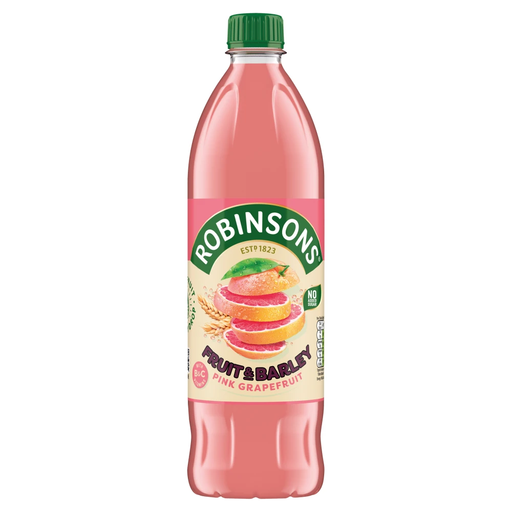
- The Robinsons Fruit & Barley Pink Grapefruit No Added Sugar 1L option below gives dilution directions for making individual drinks.
- Confirm the bottle material for the specific product if glass packaging is required.
Joybuy squash options
This Joybuy option is a concentrated squash for mixing party drinks. Check its pack material separately if the bottle itself needs to be glass.
 No image available
Robinsons Fruit & Barley Pink Grapefruit No Added Sugar 1L
This concentrate can be mixed for guests using its stated 1:4 dilution; the product description also suggests serving it with ice. It contains barley and sulphites, so check the current label against guests' ingredient requirements. Confirm the bottle material before buying if glass presentation is important.
View on Joybuy
Frequently asked questions
Is glass-bottle cordial always the right choice for a New Year's Eve party?
No. Choose a product with explicitly confirmed glass packaging when the bottle's presentation matters; choose by stated serving yield when providing enough drinks is the greater concern. Glass packaging alone does not establish dilution, ingredients or suitability for your planned mixers.
How much cordial or squash should I buy?
Start with the number and size of drinks you plan to serve, then use the product's own dilution guide. Tesco Groceries labels its 750ml quadruple-strength squash as making 50 servings, while a Waitrose & Partners listing gives 32 glasses of 250ml for Bottlegreen Elderflower Cordial at 1:15 dilution; those counts depend on their respective mixing directions.
Can I mix cordial with sparkling water?
Yes, when the chosen product's directions allow it. Marks & Spencer specifies still or sparkling water for its Fragrant British Elderflower Cordial, and Bottlegreen gives the same options for its cordial range. Start with the dilution directions on the bottle you serve.
What should I do with cordial after opening it?
Follow that bottle's refrigeration and use-after-opening instructions rather than applying one rule to every cordial. Keep its original packaging so you can check those directions and guests can read the current ingredients.


