Car boot sale refreshment organisers
You need to plan how much concentrate and water to bring, mix drinks consistently and keep the bottle information available when customers ask about ingredients.


If you want to avoid added sugar in drinks at a car boot sale, compare no-added-sugar squash and cordial using their nutrition information for the drink as diluted; a standard cordial may contain added sugar, while “no added sugar” does not mean sugar-free. Choose a bottle whose mixing instructions and stated servings fit your plans, and check its current ingredients and allergen information before serving.
You need to plan how much concentrate and water to bring, mix drinks consistently and keep the bottle information available when customers ask about ingredients.
You want to distinguish a no-added-sugar claim from the sugar content of the finished drink, then compare nutrition information on the same diluted basis.
You need the details for the exact bottle being served. The products considered here include sweeteners, and some list sulphites or carry a phenylalanine warning.
Start with the drink you intend to offer, then check the prepared-drink nutrition, mixing instructions and ingredient label for each bottle.
| Priority | What to check | Your needs |
|---|---|---|
| Sugar information | Distinguish “no added sugar” from sugar-free. Compare sugars and energy for the drink prepared at each product’s stated dilution. | I want to avoid added sugar, but still need to know what is in the drink I will serve. A standard cordial calls for its own label check rather than an assumption based on the word “cordial”. |
| Mixing and servings | Read the concentrate-to-water ratio and the serving size behind the stated yield. Tesco Groceries lists 40 servings per 1L for Robinsons Double Strength Orange at one part concentrate to nine parts water; Sainsbury’s lists 20 per 1L for its lime cordial at one part to four parts water. | For a busy stall, I need to plan concentrate, water and cups around the particular bottle, not its size alone. |
| Ingredients and allergens | Check the current bottle for sweeteners, listed allergens and any phenylalanine warning. Tesco Groceries lists sulphites and a phenylalanine warning for Robinsons Double Strength Orange No Added Sugar. | If someone asks what the drink contains, I need the exact product information at the serving point. |
| Serving at a stall | Check with the relevant local authority whether the refreshment activity is a food business. The Food Standards Agency registration service says food businesses in England, Wales and Northern Ireland should register at least 28 days before trading; in Scotland, check with the local authority and Food Standards Scotland. | Before offering drinks to customers, I want to know which requirements apply to this stall rather than assume an occasional sale is exempt. |
A drink made with fruit ingredients can still contain sugars. Waitrose & Partners lists 1.1g sugars per 100ml diluted for Belvoir Cherries & Berries No Added Sugar Cordial.
Compare nutrition information for the prepared drink as well as the front-label claim.
Concentrates can have different mixing instructions and stated yields. The 1L Robinsons and Sainsbury’s examples list 40 and 20 servings respectively, on their own stated dilution bases.
Use the instructions on the bottle you are taking to plan water, cups and concentrate.
Estimating from bottle size alone can leave you with too little prepared drink or unused concentrate.
The products considered include sweeteners; some list sulphites, and the Robinsons Double Strength Orange label also carries a phenylalanine warning.
Keep the current bottle or accurate current ingredient information at the stall so customers can check the particular drink offered.
If the activity is a food business, registration requirements can apply before drinks are served. The Food Standards Agency registration service for England, Wales and Northern Ireland says food businesses should register with their local authority at least 28 days before trading.
Confirm how your stall is treated with the relevant local authority before serving; in Scotland, also check Food Standards Scotland guidance.
Its squash and cordial ranges include different approaches to added sugar, so the range name alone is not enough to choose a drink.
Its own-label Lime Cordial No Added Sugar has a stated mixing method and serving count.
Its cordial category lists standard and no-added-sugar choices, including a Belvoir no-added-sugar cordial.
Its no-added-sugar category includes squash and cordial options.
Its cordial range includes citrus and fruit flavours for organisers considering flavour variety.
These Robinsons no-added-sugar squash concentrates are options for serving diluted drinks at a car boot sale. Check the mixing instructions on each bottle before planning quantities; they are not a comparison of every cordial route discussed above.
 No image available
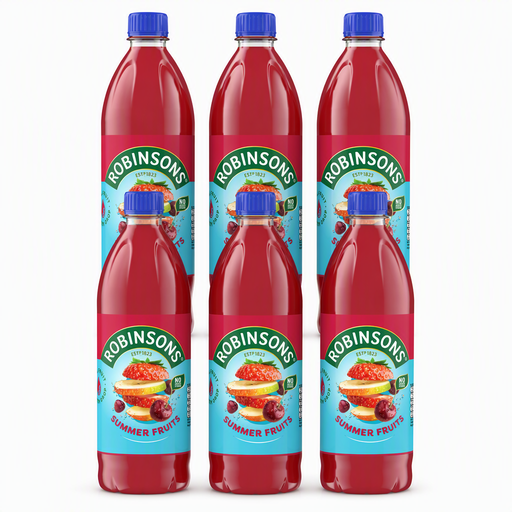
The six-bottle pack offers concentrate for planning a larger batch of drinks. The product information states up to 25 250ml servings per 1L bottle and 2 kcal per 100ml diluted; check the bottle’s mixing instructions before calculating water requirements. Its listed ingredients include aspartame, saccharin and sulphites, and it carries a phenylalanine warning.
 No image available
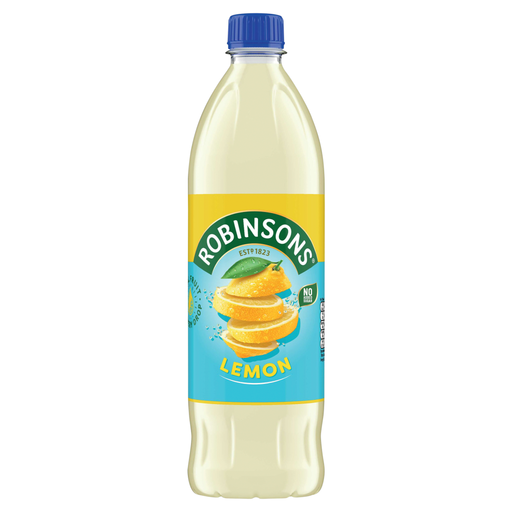
This 1L lemon squash is an option when you want a citrus-flavoured diluted drink. Its product information states 2 kcal per 100ml diluted and identifies aspartame, saccharin and a phenylalanine warning. Check the bottle for its dilution ratio and serving yield before deciding how much to bring.
 No image available
This 1L orange squash provides another no-added-sugar flavour for diluted drinks. Its product information states 3 kcal per 250ml diluted glass and identifies sweeteners and sulphites. Check the bottle’s dilution ratio and stated servings when planning the stall.
 No image available
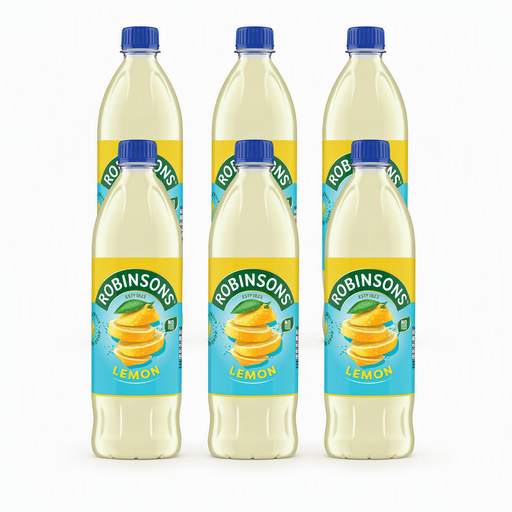
This six-bottle lemon squash pack is an option when planning a larger quantity of no-added-sugar concentrate. Check the bottle for the dilution ratio, servings and prepared-drink nutrition before comparing it with other options. The product information identifies sweeteners and a phenylalanine warning.
No. A no-added-sugar claim does not mean the finished drink contains no sugars: fruit ingredients can contribute sugars. For example, Waitrose & Partners lists 1.1g sugars per 100ml diluted for Belvoir Cherries & Berries No Added Sugar Cordial. Check the nutrition panel for the drink as prepared.
Use the mixing instructions and stated serving size for the exact bottle, then plan for the number of drinks you expect to serve. Tesco Groceries lists 40 servings per 1L for Robinsons Double Strength Orange No Added Sugar at one part concentrate to nine parts water; Sainsbury’s lists 20 per 1L for its no-added-sugar lime cordial at one part to four parts water. Those yields should not be transferred to another product.
Keep the current bottle or accurate current product information available so you can check sweeteners, allergens and warnings for the drink being served. The Tesco-listed Robinsons Double Strength Orange No Added Sugar squash lists sulphites and carries a phenylalanine warning; check other flavours separately.
If your stall is operating as a food business, the Food Standards Agency registration service says food businesses in England, Wales and Northern Ireland should register with their local authority at least 28 days before trading. Ask the relevant local authority whether your particular activity qualifies; in Scotland, also check Food Standards Scotland guidance.
Use the current bottle as your final check before serving. Sainsbury’s and Waitrose warn that product details can change, so an earlier webpage listing may not reflect the ingredients, nutrition or allergen information on the bottle you bought.