Households replacing sugary drinks
If you want a flavoured drink with less sugar, compare the sugars in a glass diluted as directed. A no-added-sugar label alone does not tell you the drink’s total sugar content.


For a lower-sugar weekly shop, compare no-added-sugar cordial and concentrated squash by the sugars in the drink made as directed, not the front-of-pack claim alone. A bottle with a higher stated serving yield may suit frequent household use, while a fruit-based cordial can still contain naturally occurring sugars; check dilution, ingredients and flavour as well as bottle size.
The useful choice depends on how often you make a drink and which label details matter to your household.
If you want a flavoured drink with less sugar, compare the sugars in a glass diluted as directed. A no-added-sugar label alone does not tell you the drink’s total sugar content.
If several people use cordial regularly, check the stated servings and dilution ratio alongside bottle size. A smaller, more concentrated bottle can make more prepared drink than its size suggests.
If particular sweeteners or sulphites matter to you, read the ingredients and allergen information on the current pack. Recipes can differ between flavours and ranges.
Start with the prepared drink’s nutrition, then check how many glasses the bottle makes and whether its ingredients suit you.
| Priority | What to check | Your needs |
|---|---|---|
| Sugars in the glass | Read “of which sugars” and energy for the drink diluted as directed. Compare equivalent prepared volumes where possible; a no-added-sugar claim does not mean zero total sugars. | I want to compare what I will actually drink, rather than rely on the word “diet” or a fruit image on the bottle. |
| Servings and dilution | Check bottle size, the stated serving count and the mixing instructions. Tesco Groceries states that its 750ml Quadruple Strength Orange Squash makes 50 servings at a ratio of 1 part squash to 19 parts water. | Cordial is used often at home, so I need to know how many glasses the bottle makes when mixed as instructed. |
| Ingredients | Read the sweetener declaration and allergen information on the current pack, particularly if sulphites are relevant to you. | I may prefer one sweetener to another, or need to check a specific ingredient before changing brand or flavour. |
| Fruit flavour | Compare flavour and fruit ingredients with the prepared-drink nutrition. Waitrose & Partners lists 1.1g sugars per 100ml for its Belvoir Cherries & Berries cordial diluted 1:6, despite its no-added-sugar claim. | I want a fruit-led flavour, but still need to check the sugars in the finished drink. |
Fruit ingredients can contribute sugars to a drink with no added sugar. Waitrose & Partners lists 1.1g sugars per 100ml for its Belvoir Cherries & Berries cordial diluted 1:6.
Check “of which sugars” for the prepared drink, then decide whether its flavour and ingredients suit you.
Mixing instructions and stated glass sizes differ. Tesco Groceries gives nutrition for a 300ml prepared glass of its Quadruple Strength Orange Squash; other cordials give figures for 250ml servings.
Follow each bottle’s dilution instructions and compare prepared drinks on a similar volume basis.
No-added-sugar products can contain sweeteners, and the reviewed supermarket lime cordials list sodium metabisulphite or sulphites.
Read the current ingredients and allergen information, especially when switching flavour or retailer.
Descriptions such as “natural flavours” do not tell you the sugars in a prepared glass.
If reducing sugar is your aim, check the current pack’s nutrition and dilution instructions before choosing a cordial for its flavour description.
These examples show how bottle formats, dilution and prepared-drink figures can differ; check the particular flavour and pack you intend to buy.
A familiar no-added-sugar squash range with single-bottle and larger-format examples.
Own-label squash and cordial examples with different concentrations.
An own-label 1L no-added-sugar lime cordial with nutrition stated per prepared serving.
An own-label 1L lime cordial for shoppers comparing conventional bottle formats.
A retailer range that includes no-added-sugar squash and fruit-led cordial options.
A flavour-led cordial range that includes Sicilian Lemon and Mexican Lime.
These Joybuy options are no-added-sugar squashes to dilute at home. Compare their pack sizes, current labels and prepared-drink nutrition according to how often your household makes a glass.
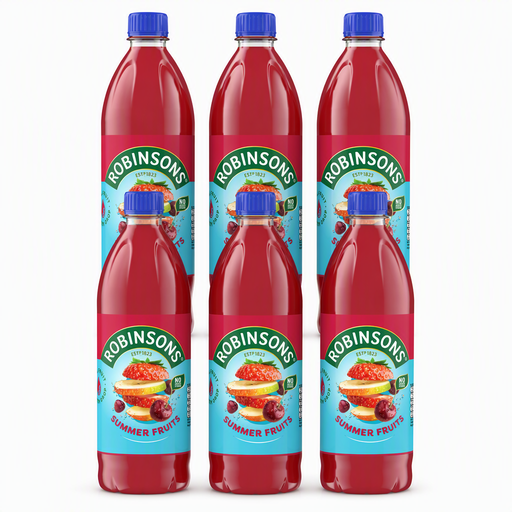 No image available
The six-bottle pack is an option if your household regularly makes squash at home. Dilute each glass as directed, and check the current ingredient and allergen label if sweeteners or sulphites matter to you.
 No image available
This single 1L bottle suits a shopper who wants orange squash without committing to a multipack. Joybuy states 3kcal per 250ml diluted glass; check the current pack’s sugar figure and dilution instructions when comparing it with other drinks.
 No image available
The 1.5L bottle offers a larger home-dilution format. Follow the mixing instructions and check the current pack for nutrition stated for the prepared drink before comparing its sugars or calories with another squash.
 No image available
This 850ml squash provides a pineapple and passion fruit flavour option. For a sugar comparison, use the current pack’s dilution directions and nutrition for the prepared drink rather than figures for undiluted squash.
No. Fruit ingredients can contribute naturally occurring sugars: Waitrose & Partners lists 1.1g sugars per 100ml for its Belvoir Cherries & Berries cordial diluted 1:6. Check “of which sugars” for the drink prepared as directed.
Compare the prepared drink at each product’s stated dilution, using a similar volume where possible. Tesco Groceries gives values for a 300ml glass of its Quadruple Strength Orange Squash, while the reviewed ASDA and Sainsbury's lime cordials state 250ml servings.
No. The reviewed ASDA, Sainsbury's and Tesco examples list sodium metabisulphite or sulphites. If you need to avoid sulphites, read the ingredients and allergen information on the current pack rather than relying on the no-added-sugar label.