What should you check?
Start with the drink as you will prepare it, then check the ingredients and how you expect to use it during the afternoon.
| Priority |
What to check |
Your needs |
| Sugar in the glass |
Compare sugars per 100 ml of prepared drink or per stated serving. Follow each product’s dilution ratio; do not compare concentrate figures with diluted figures. |
I want to know how much sugar is in the glass I make for an afternoon break, not just whether the bottle says no added sugar. |
| Sweetener choice |
Read the ingredient list for the exact flavour. The cited Robinsons orange squash lists acesulfame K and sucralose; Belvoir Farm’s Cherries & Berries cordial lists steviol glycosides, while its Elderflower cordial lists no sweeteners. |
If I avoid a particular sweetener, the recipe matters as much as the front-of-pack claim. If I avoid all sweeteners, I will also check the sugars in a traditional cordial. |
| Between-meal use |
Consider whether the drink is for one serving with food or for sipping over a longer period. Wirral Community Health and Care NHS Foundation Trust cautions that no-added-sugar and diet drinks can still be acidic and contribute to tooth wear. |
For routine thirst between meals, I would choose water or milk rather than assume a diet cordial poses no dental concern. |
| Ingredients and storage |
Check the current bottle for allergens, preparation and after-opening instructions. Sainsbury’s lists sulphites in its no-added-sugar lime cordial; the cited Belvoir Farm cordials instruct refrigeration after opening. |
Ingredients need checking for everyone who will drink it, and the opened bottle needs to fit how often my household will use it. |
Brand and range references
These examples illustrate different recipes and ranges; a brand name alone does not establish the ingredients or nutrition of every flavour.
Robinsons
Its Orange No Added Sugar Squash is an example for shoppers considering a sweetened, no-added-sugar drink.
- Waitrose & Partners lists 3 calories per glass for the cited orange product.
- That recipe lists acesulfame K and sucralose; check the bottle if either ingredient matters to you.
Sainsbury's
Its own-label No Added Sugar Lime Cordial offers a citrus recipe to assess by its prepared-drink panel.
- Sainsbury’s describes the cited product as containing 30% lime juice from concentrate.
- The cited recipe contains sweetener and sulphites; no-added-sugar wording does not resolve ingredient or acidity concerns.
Belvoir Farm
The cited Cherries & Berries No Added Sugar and Elderflower cordials illustrate two different ingredient approaches within the range.
- Waitrose & Partners lists steviol glycosides in Cherries & Berries and no sweeteners in Elderflower.
- Elderflower lists sugar as its first ingredient. Compare each product at its own stated dilution rather than treating the range as one nutrition profile.
Tesco
Tesco describes its Lime Cordial as a concentrated no-added-sugar lime juice drink with sweeteners.
- The product description makes the presence of sweeteners clear.
- Check the current bottle for the precise ingredients and prepared-drink nutrition before choosing it.
Waitrose
Waitrose & Partners has a no-added-sugar squash and cordial category with own-label and branded products.
- The category offers a way to compare several no-added-sugar recipes.
- Check each individual listing or bottle: category placement does not establish its sweeteners, sugars or dilution ratio.
M&S
M&S describes its cordials as drinks to dilute with still or sparkling water.
- Its cordial range provides another set of flavours to consider for an afternoon drink.
- For a lower-sugar choice, use the individual bottle’s prepared-drink nutrition and ingredients rather than the range description.
No-added-sugar squash options on Joybuy
These orange, summer-fruit, lemon and tropical squash options cover the no-added-sugar drink route. Compare the exact bottle’s sweeteners and prepared-drink nutrition before choosing one for an afternoon snack.
 No image available
Robinsons No Added Sugar Orange Squash 1L
An orange option if you want no added sugar and are comfortable with sweeteners. Waitrose & Partners lists 3 calories per glass for the cited orange squash; check the current bottle for its dilution instructions, ingredients and prepared-drink sugars.
View on Joybuy
 No image available
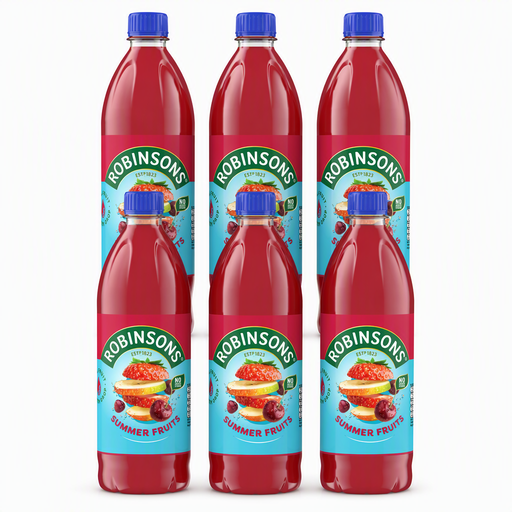
Robinsons No Added Sugar Summer Fruits Squash 6x1L
The six-bottle format is worth considering if your household regularly prepares summer-fruit squash. Check the current bottle’s sweeteners and prepared-drink sugars before comparing a glass with other flavours.
View on Joybuy
 No image available
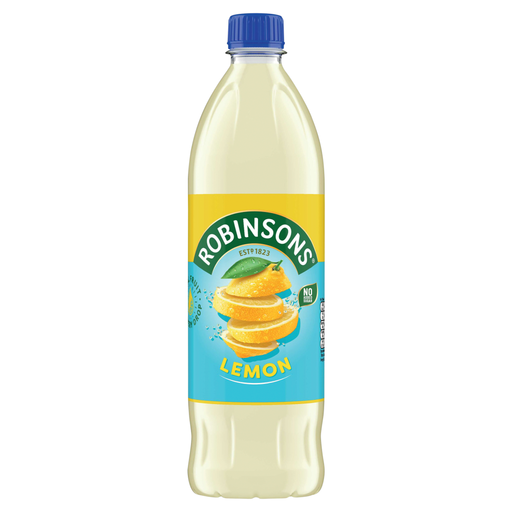
Robinsons No Added Sugar Real Fruit Lemon Squash 1L
A single-bottle lemon option for a no-added-sugar afternoon drink. Use the dilution on the packaging, then check its ingredient list and sugars for the prepared serving.
View on Joybuy
 No image available
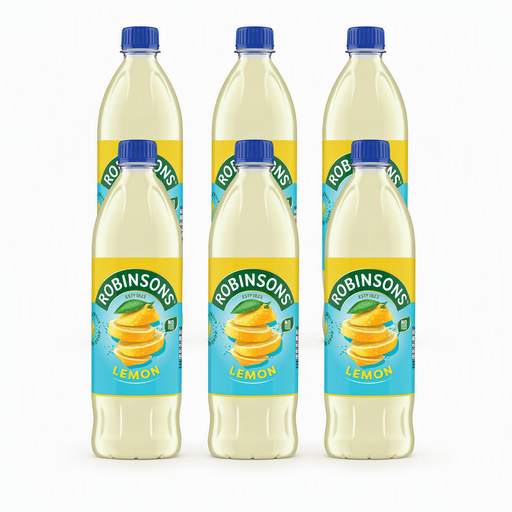
Robinsons No Added Sugar Real Fruit Lemon Squash 6x1L
This six-bottle lemon pack suits a household planning to use more of the same flavour. Check the packaging for its dilution ratio and whether the nutrition figures describe the prepared drink before making a sugar comparison.
View on Joybuy
 No image available
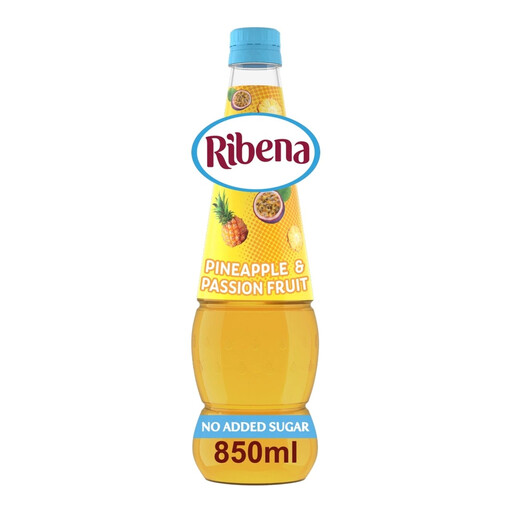
Ribena Pineapple and Passion Fruit No Added Sugar Squash 850ml
A pineapple-and-passion-fruit option if you prefer those flavours to citrus or summer fruits. Follow the bottle’s dilution instructions and compare sugars for the prepared drink, not the concentrate.
View on Joybuy
Questions about cordial and afternoon snacks
Does no added sugar mean cordial contains no sugar?
No. A no-added-sugar cordial can still contain sugars from its ingredients. Waitrose & Partners lists sugars for Belvoir Farm Cherries & Berries No Added Sugar cordial; check the “of which sugars” figure for the drink prepared at its stated dilution.
Is cordial an afternoon snack on its own?
Cordial is a drink, so choose food separately if you want a food snack during the afternoon break. For the drink, compare the prepared serving’s sugars and ingredients rather than using a no-added-sugar claim to judge the whole snack.
Does no-added-sugar cordial avoid dental concerns between meals?
No. Wirral Community Health and Care NHS Foundation Trust cautions that no-added-sugar and diet drinks can still be acidic and contribute to tooth wear. Consider water or milk for routine thirst between meals rather than assuming a diet label makes frequent sipping suitable.
How can I compare two cordials fairly?
Prepare each cordial at its own stated dilution, then compare sugars and energy on the same prepared-drink basis, such as per 100 ml. Check sweeteners and allergens separately: a lower sugars figure does not tell you which ingredients the recipe uses.
What if I need to avoid a particular ingredient?
Read the current label for the exact flavour and pack you intend to use. The cited Sainsbury’s lime cordial contains sulphites, while the cited Robinsons orange squash lists acesulfame K and sucralose; another recipe should not be assumed to have the same ingredients.


