
24/7 Customer Support

Free returns

Same-day & Next-day Delivery

Quality Guaranteed

Unlock Your Welcome Offers: FREE Delivery | Up to 80% OFF | Free 30-day JoyPlus trial
Download the APP
As a Joybuy Product Recommendation Officer, my role is to help you navigate the crowded market of car care tools. Choosing a cordless car polisher can transform the way you maintain your vehicle's paintwork, offering freedom from cables and the ability to work anywhere. However, the market is filled with overhyped features and confusing specifications that can lead to a disappointing purchase.
This guide cuts through the clutter, focusing on the practical details that matter. We will look at the common traps to avoid and the essential features to look for, ensuring you select a tool that delivers great results for your weekend detailing projects.
Many promising-looking tools fail to deliver on their claims. Before you add a polisher to your basket, be aware of these common issues that can turn a useful tool into a garage paperweight.
To avoid the pitfalls, focus on these three non-negotiable parameters. Understanding them will help you choose a reliable and effective car buffer for detailing.
This is the most critical factor for any DIY enthusiast.
For a cordless tool, the battery is its heart. Don't be swayed by marketing terms; look at the numbers.
Control is key to achieving a flawless finish.
Instead of a generic list, we have matched products to specific user needs. This approach ensures you find a tool that genuinely fits your detailing habits and goals.
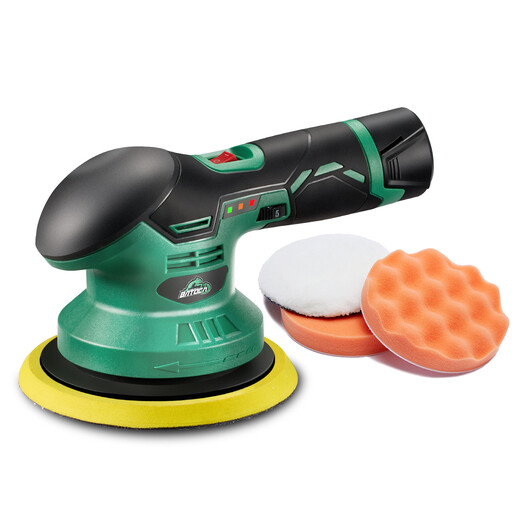
Why This Fits Their Persona: This is an excellent entry point for car owners who want to step up from hand polishing. It is lightweight and easy to handle, making it ideal for applying a coat of wax or tackling light swirl marks on a weekend without the intimidation of a professional-grade tool.
It avoids the ergonomics flaw by being lightweight (around 1.3kg) and portable. Its 5mm random orbit DA action is specifically designed to be beginner-friendly, preventing paint damage.
Features 6-speed control (2500-5000 RPM) for versatility and a battery status indicator to manage your workflow. The hook-and-loop backing plate allows for quick pad changes.
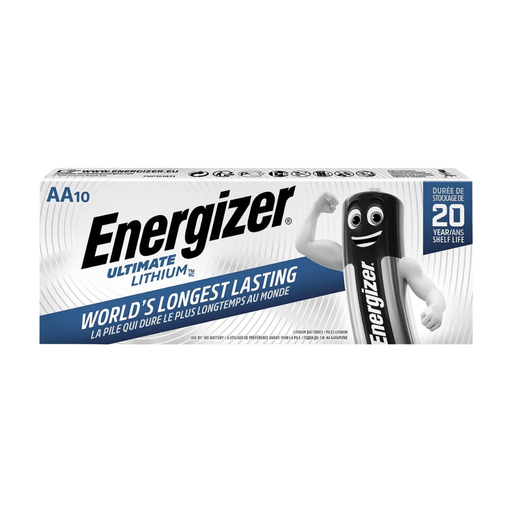
Why This Fits Their Persona: A true detailer knows the polisher is just one part of the equation. These lithium batteries are for powering essential high-drain accessories like LED inspection torches and digital paint depth gauges, which are vital for identifying defects and working safely.
Avoids the frustration of cheap batteries failing mid-inspection. According to Energizer, their Ultimate Lithium batteries provide long-lasting power, ensuring your critical tools don't fail when you need them most.
Exceptional performance in high-drain devices and a very long storage life. They are also significantly lighter than standard alkaline batteries, which is a bonus for handheld inspection lights.
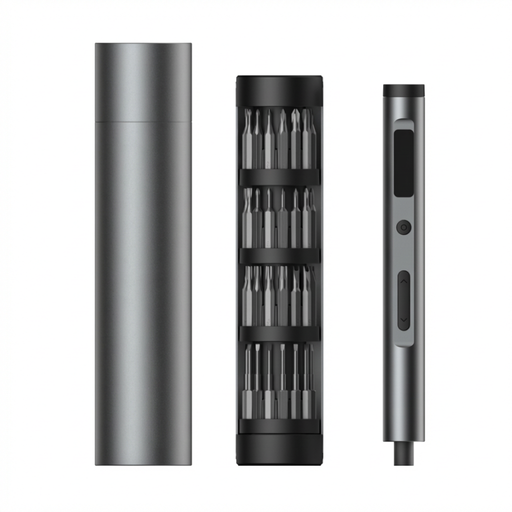
Why This Fits Their Persona: For detailers who go beyond paintwork, this tool is invaluable. It is designed for safely removing interior trim, dashboard components or delicate exterior fittings, allowing for a more thorough clean and polish in hard-to-reach areas.
Prevents stripping delicate screws or marring plastic trim, a common issue when using oversized manual screwdrivers for intricate jobs. The digital torque control provides necessary precision.
A compact, rechargeable design with a comprehensive set of 60 precision bits, making it a versatile addition to any serious car enthusiast's toolkit for tasks beyond polishing.
A great cordless tool is only as good as its power source. Explore our range of high-performance batteries and chargers to ensure you're never left without power mid-job.
Here are answers to a few common questions UK buyers have about cordless polishers.
The runtime of a battery powered car polisher depends heavily on the battery's Amp-hour (Ah) rating and how hard the tool is working. As a general guide, a 12V polisher with a 2.0Ah battery may provide 20-30 minutes of continuous use. A larger 4.0Ah or 5.0Ah battery could extend this to 45-60 minutes. For polishing an entire vehicle, having a second battery on charge is the most practical solution.
Absolutely. A DA polisher for beginners is the most recommended type of machine. Its random orbital motion is far more forgiving than a direct-drive rotary polisher. This significantly reduces the risk of burning through your car's paint or leaving holograms, allowing you to build confidence while achieving a professional-looking finish.
While the terms are often used interchangeably, there can be a subtle distinction. A 'polisher' is typically a more powerful tool designed for use with abrasive compounds to correct paint defects like swirl marks and scratches. A 'buffer' or car waxing machine can refer to a less aggressive tool, often used just for applying a final layer of wax or sealant. Modern dual action polishers are versatile enough to perform both tasks effectively simply by changing the pad and product.