Behind-chair spot cleaners
If fluff gathers beneath chair bases, beside skirting boards or in narrow gaps, start with the space the vacuum must enter. Depending on the gap, a low-profile head, bending wand or crevice tool may provide access.


Choose a cordless vacuum whose head, wand or handheld tool can actually reach behind and beneath your chairs; a long advertised runtime will not compensate for a head that cannot fit. If hair tangles around the brush roll, consider a model-specific anti-hair-wrap design. For shared use, agree who will charge the vacuum and empty its bin or replace its bags, then check runtime in the mode you expect to use.
If fluff gathers beneath chair bases, beside skirting boards or in narrow gaps, start with the space the vacuum must enter. Depending on the gap, a low-profile head, bending wand or crevice tool may provide access.
For housemates doing frequent short cleans, a convenient charging place and an agreed disposal routine matter. A bagged design requires replacement bags; a bagless one needs regular bin emptying and filter care.
Where long hair or pet hair collects with fluff, check whether the exact model includes an anti-hair-wrap or de-tangling floor head. Dyson UK, Gtech and Shark UK describe such features on particular models; they are not promises that brush-roll maintenance disappears.
Measure the chair gap before comparing features, then decide whether cleaning chair fabric and sharing the maintenance routine are part of the job. The consumers described below are grouped by the need they would put first.
| Concern | What to check | Who this matters to |
|---|---|---|
| Reach behind chairs | Measure the lowest clearance; compare it with the head profile and check whether a bending wand or included crevice tool reaches the gap. | If moving the chairs each time would put me off cleaning, physical access is my priority. Around 42% of consumers would put reach first. |
| Sharing and upkeep | Check runtime by power mode and charging arrangements; decide who will empty the bin or replace bags and care for filters. | When several housemates use one vacuum, I need it ready for the next quick clean and a disposal routine everyone will follow. For around 33% of consumers, manageable shared upkeep comes first. |
| Hair mixed with fluff | Confirm that the exact model and supplied floor head have the stated anti-hair-wrap or de-tangling design. | If long hair or pet hair gathers with the fluff, I want brush-roll cleaning to remain manageable. Limiting hair tangles would be the primary concern for around 25% of consumers. |
Maximum runtime can describe a lower-power mode rather than the setting you will use around chairs. Gtech, for example, states up to 40 minutes in Eco and up to 20 minutes in Max for its Pro 2.
Check the stated runtime for your intended mode, but establish that the vacuum can reach the gap before making runtime the deciding factor.
A vacuum can have the features you want yet still be too tall for the space beneath a particular chair; upholstery seams may need a different tool altogether.
Measure the clearance and check the exact head, wand movement and supplied crevice or upholstery tools.
In a shared house, an inconvenient emptying or filter routine can make quick cleaning harder to sustain.
Agree how charging, bin emptying or bag replacement and filter care will be handled before choosing bagged or bagless.
Bagged models need replacement bags; bagless models still need regular bin and filter attention.
An unsuitable or damaged charger or battery presents a safety risk. GOV.UK also warns that lithium-ion batteries can catch fire when discarded in household rubbish.
Electrical Safety First advises using the original charger or one verified as suitable by the manufacturer, and manufacturer-verified batteries. Take unwanted electricals and batteries to an appropriate recycling collection point rather than putting them in household rubbish.
Relevant when a bending stick-vacuum wand and brush-roll hair management are priorities.
Relevant when choosing between floor-focused access and a bagged stick vacuum that converts to handheld use.
Relevant when considering a stick vacuum with a hair de-tangling head and model-specific filtration features.
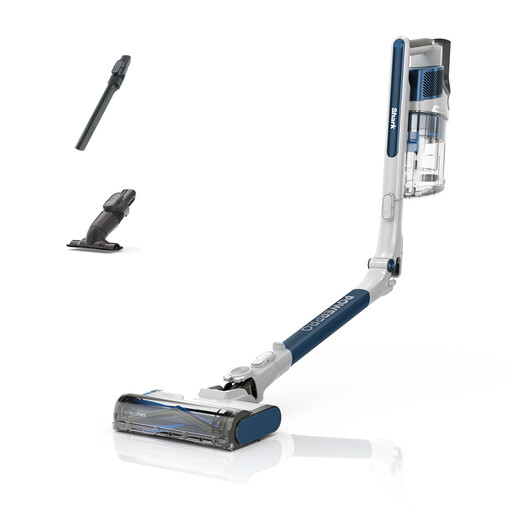
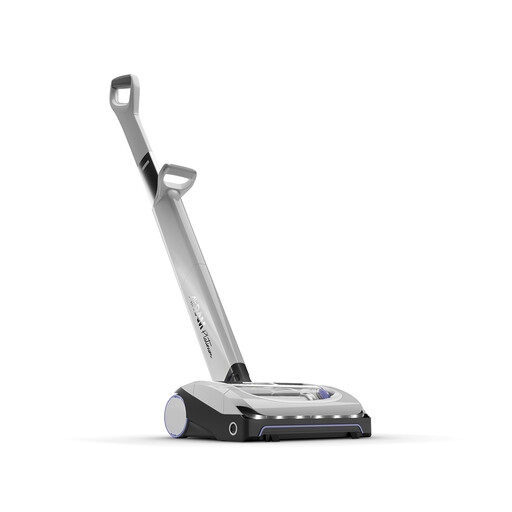
These cordless models offer different ways to tackle floor fluff near chairs, including flexible-wand access, low-profile floor cleaning and handheld use. Check each model's actual fit beneath your chairs and its supplied tools before choosing.
 No image available
Consider the flexible pole for fluff beneath furniture and the handheld format where chair fabric or tight gaps also need attention.
The named variant has an anti-tangle floor head, HEPA 12 filter, 1 L dust tank and 29.6 V specification. Measure the chair clearance and check whether wall-mount installation suits the house.
 No image available
Its bending-wand format is relevant when floor fluff sits beneath chairs, while handheld use may help with other spots.
The product name specifies 75 AW and Anti Hair Wrap. Confirm the supplied accessories for upholstery, the floor head's fit beneath your chairs and runtime in the mode you intend to use.
 No image available
The stick-to-handheld format is worth considering when fluff collects both on the floor and in narrow spaces around chairs.
The product name specifies 50 kPa, three speed settings and a 60-minute runtime claim; cleaning time varies by mode. Check charging time and whether the floor head fits beneath your chairs.
 No image available
Consider this floor-focused option if loose fluff beneath chairs matters more than cleaning their upholstery.
The product name includes Anti Hair Wrap and a 60-minute runtime claim; the stated runtime applies to Eco mode. Confirm the supplied configuration, clearance beneath your chairs and runtime in other modes.
 No image available
The described lie-flat function is relevant to floor fluff beneath furniture, provided the head fits your chair gap.
The product name specifies 55 kPa and an anti-tangle design. Its 55-minute runtime claim applies to Bare Floor mode; confirm the supplied stick or handheld configuration, tools and runtime for other modes.
No, but the vacuum needs a way into the actual gap. A bending wand may help beneath low furniture; a sufficiently low floor head or a handheld crevice tool may also work. Measure the clearance rather than judging fit from a product image.
Treat maximum runtime as dependent on the stated operating mode, not as the cleaning time for every task. Gtech states up to 40 minutes in Eco and up to 20 minutes in Max for its Pro 2; compare the figures for the mode you expect to use.
Choose according to the maintenance routine housemates will actually follow. A bagged model needs replacement bags and may suit a preference for contained disposal; a bagless model avoids bags but still needs bin emptying and filter care.
Use the original charger or one the manufacturer has verified as suitable, together with manufacturer-verified batteries. Electrical Safety First advises checking for a UK three-pin plug on the vacuum or charger and not using a damaged appliance, plug or cable.
Take unwanted electrical equipment and batteries to an appropriate recycling collection point rather than putting them in household rubbish. GOV.UK warns that lithium-ion batteries can present a fire risk when binned, particularly if wet or damaged.