Frequent kitchen and dining-area cleaners
If cereal, bread or snack crumbs collect after meals, you may want a vacuum that is easy to pick up for a small job and manoeuvre around stool legs.


For dry crumbs beneath stools, choose a cordless vacuum only after checking that its floor head can fit under your furniture and that a narrow tool can reach gaps around the legs. A lighter model may be easier to use for brief, frequent clean-ups; an exchangeable battery matters more if the same vacuum must also handle longer sessions.
If cereal, bread or snack crumbs collect after meals, you may want a vacuum that is easy to pick up for a small job and manoeuvre around stool legs.
If stool legs, crossbars or a low gap obstruct access, measure the space and check both the floor head and supplied narrow tool. A flexible wand alone does not establish that the head will fit.
If the vacuum must collect dining-area crumbs and cover longer cleaning sessions, consider the battery arrangement, runtime conditions and the floor types you regularly clean.
For dry crumbs beneath stools, start with physical access. Then consider how easy the vacuum is to use after meals, whether its floor head suits your surfaces and whether it also needs to cover longer cleans.
| Concern | What to check | Who this matters to |
|---|---|---|
| Access beneath stools | Measure the lowest gap; check the exact floor-head profile and whether a crevice tool is supplied. | If my stool legs or crossbars block the main head, I need a way to reach the crumbs without moving the furniture each time. Around 33% of consumers put physical access first. |
| Everyday handling | Check ready-to-use weight and how conveniently the vacuum is stored and charged. | When crumbs appear after most meals, I want a vacuum I can pick up and put away without making the clean-up a bigger task. For roughly 27% of consumers, ease of handling is the main concern. |
| Floor surfaces | Confirm which head is supplied and whether it suits the hard flooring, rugs or carpet you intend to clean. | If cleaning extends beyond the floor beneath the stools, I need the supplied head to suit those other surfaces too. Floor suitability comes first for about 27% of consumers. |
| Longer sessions | Check runtime conditions and the number of supplied batteries against your usual cleaning routine. | If this is also my whole-home vacuum, I need to know whether it can finish a longer session without waiting for a recharge. Battery flexibility is the primary concern for around 13% of consumers. |
A floor head cannot collect crumbs from a space it cannot enter. Suction figures from different brands may also use different test methods and conditions.
Measure beneath the stool, then check the exact head and narrow-tool arrangement before weighing up power claims.
Appliance City notes that manufacturers often quote maximum runtime under favourable conditions. That figure may not represent cleaning with your intended head and power setting.
Check the stated mode and attachment, charging time and supplied battery count against the length of your usual sessions.
If those sessions require another battery, check whether a compatible one is available.
A narrow tool can reach between stool legs, but it covers open floor more slowly than a full-width head.
Choose a main head suited to the dining-area floor and use a narrow tool for gaps the head cannot enter.
GOV.UK advises that electrical products and batteries bearing the crossed-out wheelie-bin symbol should not go in household rubbish. Damaged or wet lithium-ion batteries can present a fire risk.
Use an appropriate electrical-waste recycling route; for a removable lithium battery, follow GOV.UK’s advice on taping its terminals before recycling.
The cited V15 Detect Absolute configuration is relevant if you want a dedicated hard-floor head alongside a tool for narrow spaces.
The cited Unlimited 7 BCS712GB is relevant if the vacuum must also cover longer sessions or switch between floor and narrow-area cleaning.
The cited Jet 75E Pet is an option to examine if frequent spot cleaning makes handling a priority.
These cordless stick and handheld options suit different approaches to clearing dry crumbs around stools. A stick vacuum offers a floor head for open areas, while a handheld model may suit smaller clean-ups; check each head or tool against the gaps in your own furniture.
 No image available
Consider this cordless stick model for frequent floor clean-ups if its head can pass beneath your stools.
The title lists three speed settings and a 60-minute runtime. Check the runtime at the setting you would use and confirm the head’s clearance before buying.
 No image available
This stick model is worth considering for repeated dining-area clean-ups where a floor head is useful for the open space around stools.
The title names a charging dock and a 55-minute runtime. Check the runtime conditions and whether the head fits beneath your stools.
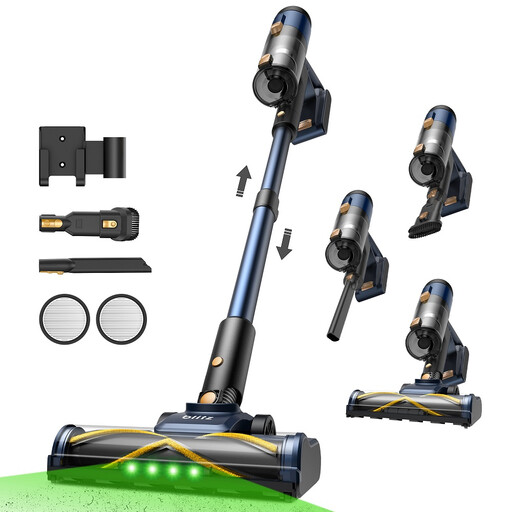 No image available
Consider this model if you also need to clean hard floors and carpet, while checking which supplied tool can reach around your stool legs.
The title lists a detachable battery and a 50-minute runtime. Confirm the runtime for your intended floor and setting, as well as the head’s clearance.
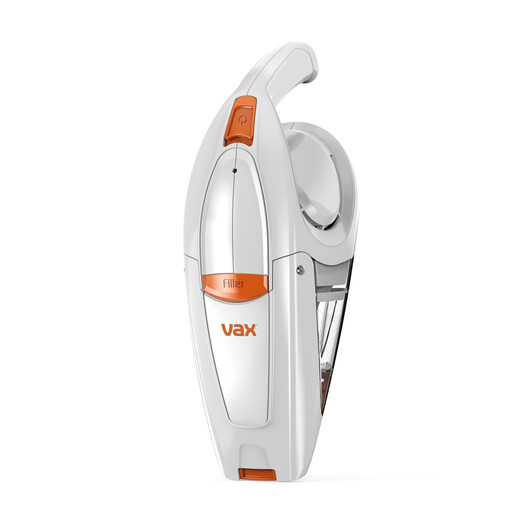 No image available
The handheld format may suit small crumb clean-ups around stool legs if its tool can reach the affected spots.
This is a 10.8V handheld model rather than a stick vacuum. Consider whether using a handheld across the open floor would suit your routine, and check its reach beneath the stools.
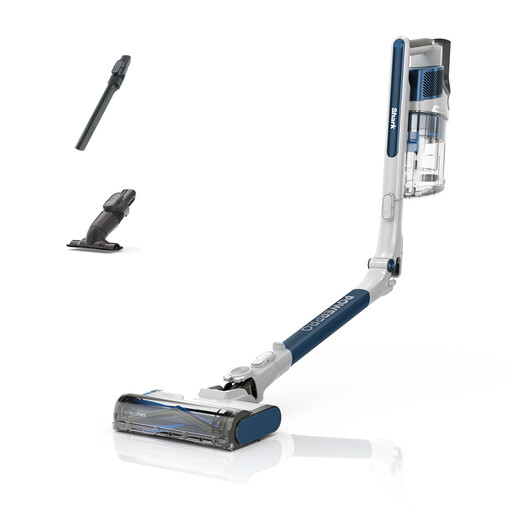 No image available
Consider this stick model for floor cleaning around stools, particularly if you also need a vacuum for other household surfaces.
The title names Floor Detect and Anti Hair Wrap features. Check the floor head’s clearance beneath your stools and the runtime conditions for your intended setting.
No: access depends on the clearance beneath your stools and the dimensions and movement of the exact vacuum head and wand. Measure the lowest gap, then check the model’s head profile and whether a supplied narrow tool can reach spaces the head cannot enter.
Not necessarily. Appliance City notes that quoted maximum runtimes often reflect favourable operating conditions, which may differ from using a motorised head. Compare the stated mode and attachment with your usual cleaning duration, and check whether the battery can be exchanged if longer sessions matter.
Use an appropriate electrical-waste recycling route rather than putting an item bearing the crossed-out wheelie-bin symbol in household rubbish. GOV.UK identifies household waste recycling centres as an option and advises taping the terminals of removable lithium batteries before recycling to reduce fire risk.