
24/7 Customer Support

Free returns

Same-day & Next-day Delivery

Quality Guaranteed

Unlock Your Welcome Offers: FREE Delivery | Up to 80% OFF | Free 30-day JoyPlus trial
Download the APP
A cordless water flosser can make interdental cleaning more convenient, particularly if traditional floss is awkward around braces, bridges or implants. However, comparing models by pressure numbers or battery claims alone can lead to an unsuitable purchase.
The practical differences are often found in the details: tank size, pressure control, charging method, nozzle storage and how easy the device is to clean. This guide explains the main buying pitfalls and matches several options to different UK lifestyles.
A high PSI figure may look impressive, but maximum pressure is not automatically more comfortable or suitable. People with sensitive gums or limited experience may prefer a lower starting setting, while users cleaning around braces may want additional control rather than one powerful setting.
Look for a range of pressure settings or cleaning modes, including a soft option. A gradually increasing pulse can also make an electric water flosser easier to introduce into a daily routine.
A compact portable water flosser is convenient to pack, but a small reservoir may require refilling during a complete session. Tank capacity should be considered alongside the device’s size:
A detachable tank with a wide opening is generally easier to refill and rinse. Emptying the tank after use can also help prevent stale water and odours.
IPX6, IPX7 and IPX8 ratings describe resistance to water under specified test conditions. They do not mean the charging port can be connected while wet, or that every part should be submerged indefinitely.
Before buying a waterproof water flosser, check the manufacturer’s instructions. Dry the charging port completely, do not use the device while charging and avoid directing the jet towards the eyes, ears, nose or throat.
A water flosser for sensitive gums should offer a soft or gentle mode. Three modes may be sufficient for simple daily use, while four to six modes can provide more adjustment for gum care, pulse cleaning, braces or different users in the same household.
Pressure figures should be read in context. For example, the listed models range from gentle settings around 40–60 PSI to maximum settings of 140–160 PSI. A lower setting is a sensible starting point; increase gradually only if it remains comfortable.
A rotating nozzle can help reach the rear teeth, while specialist tips may be useful for orthodontic appliances, gumline cleaning or tongue care. Check how many tips are included and whether replacements are available.
For regular plaque removal and gum care, the tank should be easy to remove or open. Built-in nozzle storage can be useful for shared households or travel, provided the tips can dry properly between uses.
A rechargeable water flosser eliminates the need for a mains cable during use. USB-C charging is convenient for users who already carry compatible cables, although the included cable and charging instructions should still be checked.
Battery-life figures such as “up to 30, 40 or 90 days” depend on usage frequency, mode and session length. Consider the physical dimensions and weight too: a large tank may be convenient at home but less practical in hand luggage.
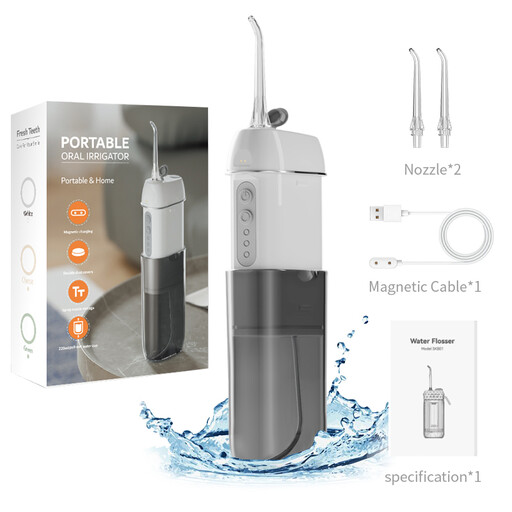
Why This Fits Their Persona: A straightforward cordless oral irrigator for shoppers who want adjustable cleaning without a large, complicated unit.
It provides Soft, Standard and Strong modes instead of relying on one fixed pressure level.
60–120 PSI range, 230ml tank, 1,600 pulses per minute and IPX7 water resistance.
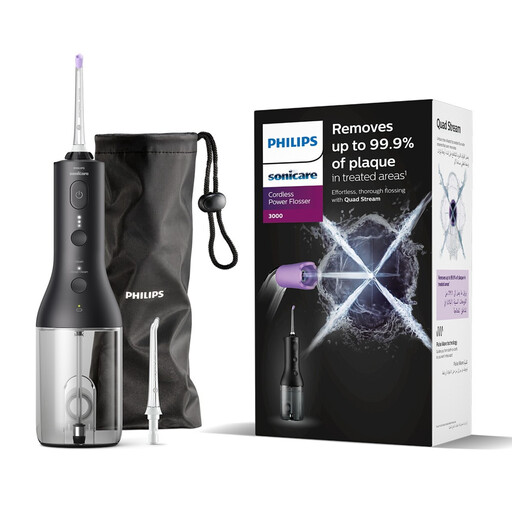
Why This Fits Their Persona: Suitable for buyers prioritising a recognised product ecosystem, guided cleaning and a slim design for regular home use.
It specifies two flossing modes, three intensities, a timer and compatible replacement nozzle types.
250ml reservoir, 360° nozzle rotation, IPX7 waterproof construction and USB-A charging cable.
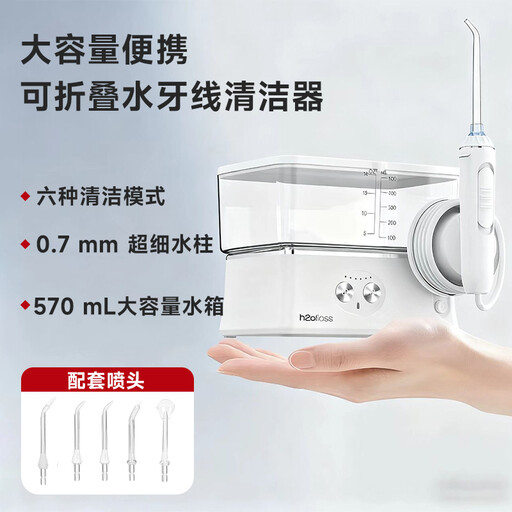
Why This Fits Their Persona: A larger-capacity choice for households or users who prefer longer sessions with fewer refills.
The 570ml listed tank capacity addresses the common inconvenience of repeatedly stopping to refill.
Six cleaning modes, five spray heads, a 2,500mAh battery and IPX7 waterproof rating.
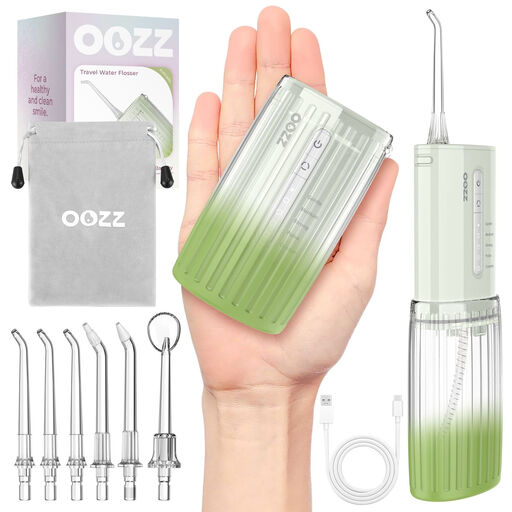
Why This Fits Their Persona: Its pocket-style format, travel pouch and tip storage suit holidays, gym bags and users cleaning around orthodontic appliances.
It combines five modes with six interchangeable tips, rather than offering portability without adjustment.
USB-C charging, 150ml leak-proof tank, IPX8 waterproof construction and a two-minute auto timer.
We have compiled a complete, real-time list of products that fully satisfy these strict selection criteria and UK safety regulations.
Fill the reservoir with clean, lukewarm water and select the lowest comfortable setting for your first session. Lean over the sink, place the nozzle in your mouth before switching on the device and guide it along the gumline and between teeth. Do not seal your lips tightly, as water needs to flow out.
A water flosser should complement brushing and other advice from your dental professional. If you have recent oral surgery, persistent bleeding, gum disease or concerns about implants and bridges, seek individual dental guidance before use.
Many models include orthodontic tips or list braces among their intended uses. A water flosser can help rinse around brackets and wires, but use a gentle setting initially and follow your orthodontist’s instructions.
Battery life varies according to mode, session length and frequency. Product listings may quote up to 30, 40, 50 or 90 days, but these are usage-dependent estimates. Emptying the tank and keeping the charging port dry can support routine maintenance.
It is generally used as a supplement to brushing and interdental cleaning, not as a universal replacement. The suitable routine depends on your teeth, gums and dental work. Choose a model that you will use consistently, with controls and accessories that match your needs.