
24/7 Customer Support

Free returns

Same-day & Next-day Delivery

Quality Guaranteed

Unlock Your Welcome Offers: FREE Delivery | Up to 80% OFF | Free 30-day JoyPlus trial
Download the APP
Coriander can add citrusy freshness, warm spice or a distinctive herbal note, depending on which part of the plant is used. However, browsing coriander products online can be confusing: ground coriander, coriander powder, seeds, dried leaves, ready meals and snacks all serve different purposes.
The main risk is buying a product that looks versatile but does not suit your recipe, dietary needs or storage space. This guide explains what to check before you buy coriander online, with practical recommendations for UK home cooks, curry enthusiasts, families and Asian food lovers.
Coriander seeds have a warm, floral and lightly citrus character. They can be toasted and ground, or added whole to curries, tagines and pickles. Ground coriander is more convenient, but its aroma can fade after opening.
Dried coriander leaves are different again. They are intended to add a leafy herbal note, but they will not provide the same depth as ground seed. Check the product name and ingredients rather than relying on front-of-pack images.
Some snacks, noodles and seasoned foods use coriander alongside garlic, lime, chilli, onion, flavourings or acidity regulators. This is not necessarily a drawback, but it means the finished taste may be more complex than a simple herb flavour.
Review the ingredient list, and check the quantitative ingredient declaration where one is provided. For example, a naan may list garlic and coriander percentages, while a snack may use a seasoning blend containing only a small proportion of coriander.
Coriander itself is generally listed as an ingredient without common allergens, but prepared coriander products can contain wheat, soya, sesame, milk, mustard or celery. A coriander noodle product may contain wheat and soya, while dumplings commonly include wheat wrappers and sesame oil.
For UK shoppers, always read the bold allergen information on the current packaging, particularly when buying for children, vegetarians, vegans or anyone with an allergy or intolerance. “Coriander-flavoured” does not automatically mean vegetarian or gluten-free.
Choose the format that matches your cooking habits:
Small spice jars, such as 20g coriander seeds or 36g ground coriander, suit occasional cooking and reduce the chance of storing an opened product for too long. Larger 100g or 400g packs may offer more practical value for households that regularly prepare curries, marinades or spice blends.
Store dry spices in a cool, dark, dry cupboard, ideally in an airtight container after opening. Frozen dumplings require freezer storage at -18°C or below, while ambient snacks and seasoning should be protected from heat and moisture.
For prepared foods, compare serving size, salt, saturated fat and preparation method rather than focusing only on the coriander ingredient. Check whether a product is ready to eat, microwaveable, oven-heated or intended to be cooked from frozen.
For instance, ready-to-eat rice can be useful for a quick weekday meal, whereas frozen dumplings require proper cooking. Follow the pack instructions and do not refreeze food after it has thawed unless the packaging specifically permits it.
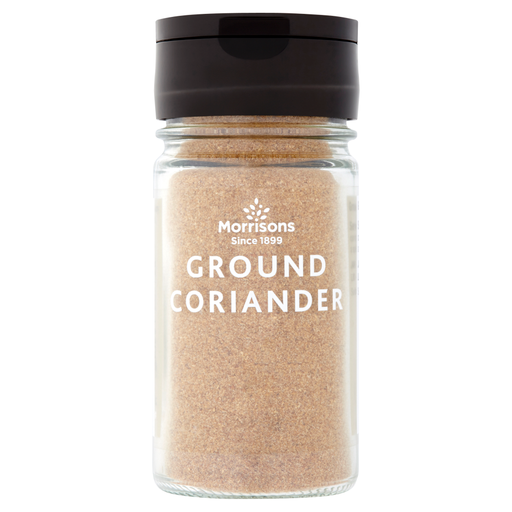
Why This Fits Their Persona: A compact everyday option for shoppers starting to build a curry cupboard or spice collection.
The product is clearly identified as ground coriander, reducing confusion with dried leaves or seasoned blends.
36g pack; suitable for curries, stews and spice blends; suitable for vegetarians.
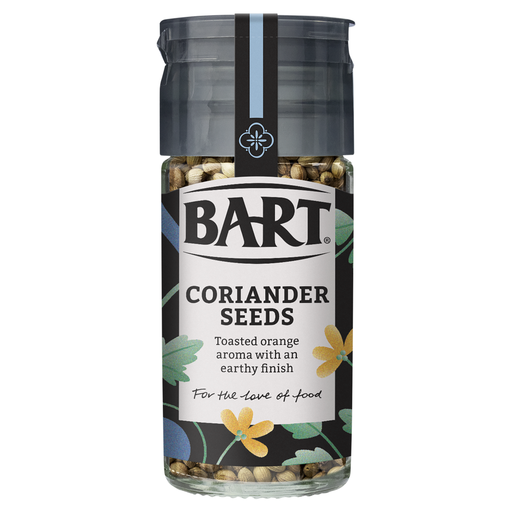
Why This Fits Their Persona: A practical choice for cooks who prefer to toast, grind or use whole seeds according to the recipe.
The whole-seed format makes the intended use clear and avoids paying for a premixed product when you want pure seeds.
20g pack; suitable for curries and tagines; listed with no allergens.
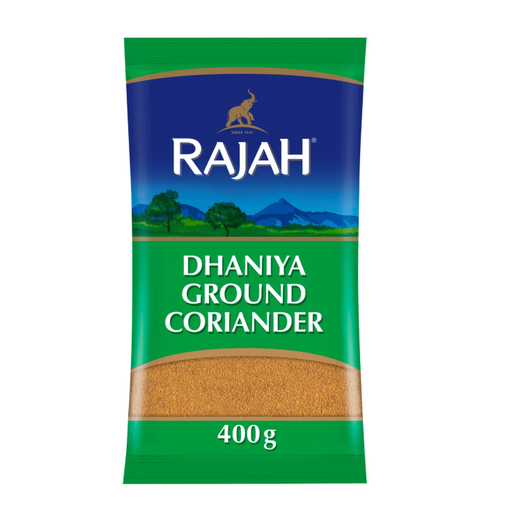
Why This Fits Their Persona: The larger pack is suited to households that cook curries, dhals, marinades and spice blends regularly.
The ingredient is listed as ground coriander, without a garlic, salt or multi-spice blend.
400g quantity; ready to add during cooking; no allergenic ingredients listed.
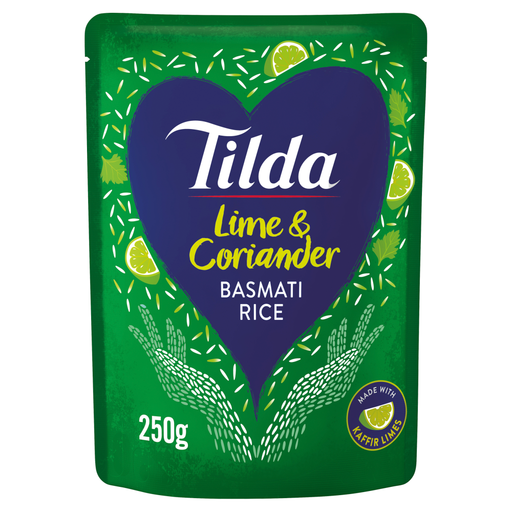
Why This Fits Their Persona: A convenient side dish for busy households wanting lime and coriander rice without preparing rice from scratch.
The pack states that it is ready in two minutes and identifies the product as gluten-free, vegetarian and vegan.
250g pack; microwave preparation; contains basmati rice, coconut cream, coriander and kaffir lime.
We have compiled a complete, real-time list of products that fully satisfy these strict selection criteria and UK safety regulations.
In UK supermarkets, the terms are usually used interchangeably for finely milled coriander seeds. Check the ingredients: a pure product should list ground coriander or ground coriander seeds, without added salt, flour or other spices.
Keep it sealed in a cool, dry and dark cupboard, away from steam and direct heat. Use clean, dry utensils and follow the best-before information on the packaging. A smaller pack may be more suitable if you only use coriander occasionally.
Not automatically. Coriander noodles may contain beef seasoning, while dumplings can contain pork, soya, wheat and sesame. Read the full ingredient list and allergen statement before buying, and check the current packaging for the latest information.