
24/7 Customer Support

Free returns

Same-day & Next-day Delivery

Quality Guaranteed

Unlock Your Welcome Offers: FREE Delivery | Up to 80% OFF | Free 30-day JoyPlus trial
Download the APP
From lumpy gravies to dense, heavy cakes, we’ve all faced kitchen challenges that a simple, unassuming ingredient could have solved. That ingredient is often cornflour. A true pantry staple, this fine white powder is the secret behind silky sauces, light-as-air bakes and perfectly crispy coatings.
But with terms like corn starch, maize starch and various brands on the shelf, choosing the right one can feel unnecessarily complicated. As the Joybuy Product Recommendation Officer, my role is to provide clear, practical advice to help you select the right products for your kitchen. This guide will walk you through what to look for in a quality cornflour and highlight some dependable options for UK home cooks.
Before you add a pack to your basket, consider these key points. A little knowledge can make a big difference to your final dish.
In the United Kingdom, the terms cornflour and corn starch are used interchangeably. Both refer to the fine, white, powdery starch extracted from the endosperm of a maize (corn) kernel. It is also sometimes labelled as maize starch. This is different from cornmeal (used for polenta) or the yellow-coloured corn flour found in the US, which is ground from the whole kernel. For thickening and baking in the UK, you are looking for the white powder.
While versatile, some cornflours are milled or marketed for specific tasks.
Pure cornflour is naturally free from gluten. This makes it an excellent thickening flour for anyone following a gluten-free diet. However, if you have coeliac disease or a severe sensitivity, it is always advisable to look for a product that is explicitly certified as gluten free cornflour. This certification ensures it has been packed in an environment free from cross-contamination with gluten-containing cereals. Most pure cornflours are also suitable for vegan and vegetarian diets.
Here are a few reliable cornflour options available in the UK, each suited to different household needs and culinary applications.
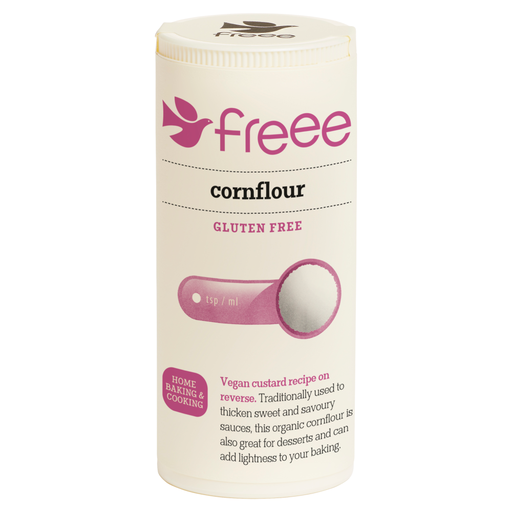
Why It Stands Out: Doves Farm is a well-regarded brand in the free-from space. This product offers the assurance of a certified gluten-free label, making it a safe and dependable choice for those with specific dietary requirements. The smaller 110g pack size is convenient for occasional use, preventing pantry waste.
Pros:
Who is it for: This is an excellent choice for home cooks who prioritise certified gluten-free ingredients or only need a small amount of cornflour for specific recipes.
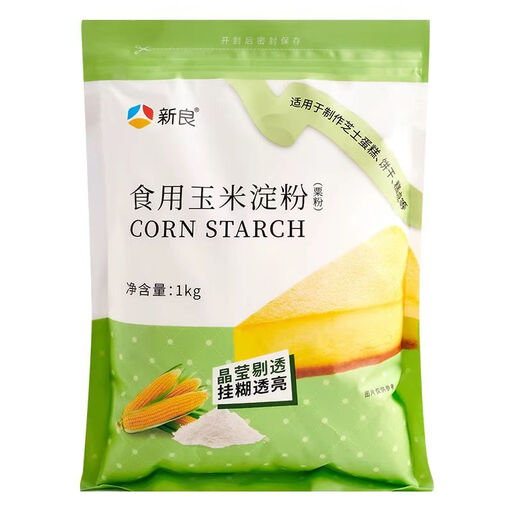
Why It Stands Out: This is a bulk-buy option for the serious home cook. The large 1kg bag offers great value and ensures you will not run out mid-recipe. It is marketed as 100% pure corn starch with no additives, making it a versatile workhorse for everything from thickening soups to providing a crispy coating for fried chicken.
Pros:
Who is it for: Regular users of cornflour, particularly those who cook a lot of Asian food or do a large amount of gluten-free baking, will find this large pack very economical.
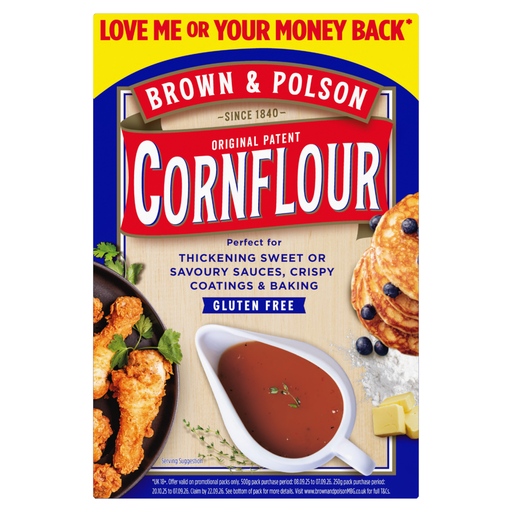
Why It Stands Out: A household name in the UK for generations, Brown & Polson is a classic for a reason. According to the brand, its patented milling process results in an ultra-fine powder designed for a smooth, lump-free consistency. It is a true all-rounder, equally at home thickening a Sunday roast gravy as it is lightening a Victoria sponge.
Pros:
Who is it for: The everyday home cook looking for a familiar, reliable and multi-purpose cornflour that delivers consistent results across a wide range of recipes.
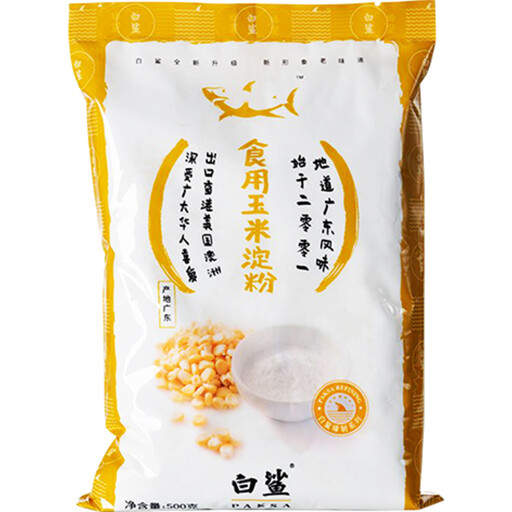
Why It Stands Out: This corn starch is specifically highlighted for its performance in Chinese cooking. It is designed to create the glossy, translucent sauces found in stir-fries and to provide a perfectly crisp coating for deep-fried items. If you are trying to replicate restaurant-quality textures at home, this is a product to consider.
Pros:
Who is it for: Anyone passionate about cooking Chinese or other Asian cuisines who wants to achieve authentic textures in their sauces and fried dishes.
If you need a different pack size or are searching for a specific type of baking cornstarch, you can explore our full collection of cornflour and starch products to find the perfect fit for your pantry.
1. Is cornflour the same as corn starch? Yes, in the UK, the terms cornflour and corn starch refer to the same product: the fine, white starch powder from maize. This is distinct from the yellow, gritty cornmeal used for polenta. When a UK recipe calls for either term, you can use the same product.
2. How do I use cornflour to thicken a sauce without lumps? The most effective method is to create a 'slurry'. Before adding it to your main dish, mix the required amount of cornflour with a small amount of cold liquid (water, milk or stock work well) in a separate bowl. Stir until it forms a smooth, thin paste with no dry clumps. Then, slowly whisk this slurry into your hot liquid. Bring the sauce to a gentle boil while stirring continuously, and it will thicken smoothly.
3. Is all cornflour gluten-free? Pure cornflour is made only from maize starch and is therefore naturally gluten-free. However, during processing and packaging, there can be a risk of cross-contamination with wheat or other cereals. If you have coeliac disease, it is safest to choose a product that is explicitly certified as a gluten free cornflour to avoid any risk.