Cottage hosts feeding a mixed family group
Plan for several breakfasts without assuming everyone wants the same format. A larger shared pack alongside one alternative format can be more adaptable than relying on a single specialised cereal.


For a cottage group, start with a larger ready-to-eat cereal when several guests are likely to eat the same format, then add portioned porridge if staggered hot breakfasts and kitchen equipment make it useful. Wholegrain wheat biscuits and plain oats are practical options when fibre matters, while fruit-and-nut muesli needs closer checks of the exact pack’s sugars and allergen information.
Plan for several breakfasts without assuming everyone wants the same format. A larger shared pack alongside one alternative format can be more adaptable than relying on a single specialised cereal.
Ready-to-eat cereal needs bowls and milk or a suitable alternative. Portioned oats can suit separate breakfast times where guests have microwave or hob access.
Compare fibre, sugars and the current ingredient and allergen declaration rather than relying on a brand name or pack format. The NHS names plain wholewheat biscuits and porridge oats as higher-fibre cereal examples.
Choose the breakfast format first, then check the pack’s ingredients, serving information and the cottage kitchen. In a June 2025 Weetabix survey of more than 2,000 UK respondents aged 16+, breakfast motivations could overlap.
| Priority | What to check | Your needs and respondent views |
|---|---|---|
| Nutrition labels | Compare sugars, salt and fibre per 100g, then review the stated serving size. The NHS notes that manufacturer portions may differ from the amount served. | I want to compare cereals on the same basis before putting them out for guests. In Weetabix’s June 2025 survey, 35% of more than 2,000 UK respondents aged 16+ said health and nutrition motivated their breakfast choice. |
| Independent preparation | For cold cereal, check that bowls and milk or a suitable alternative are available. For porridge sachets, confirm a microwave or hob, suitable bowls and liquid. | Breakfast needs to work when people wake up at different times. In the same Weetabix survey, 34% of respondents said convenience or quick preparation motivated their breakfast choice. |
| Pack coverage | Use the unit count, pack weight and stated serving size to estimate the planned breakfasts. Check dry-cupboard space before choosing a larger box or bag. | I need enough cereal for the group without committing everyone to one taste or format. A large box, biscuit multipack and individual sachets each portion a shared breakfast differently. |
| Allergen suitability | Read the exact current allergen declaration and may-contain statements. Check vegan or vegetarian wording only on the particular product rather than treating it as an allergen claim. | I need a cereal that matches the guests’ confirmed dietary requirements. Muesli may contain milk, nuts or sulphites, while familiar flakes and wheat biscuits can contain gluten-bearing cereals. |
A 1kg cereal or 1.1kg muesli can go unused when guests have mixed tastes or dietary restrictions. Wheat biscuits, flakes and muesli can each contain ingredients that do not suit every guest.
Choose one broadly suitable shared cereal first, then add a smaller or portioned alternative for a confirmed guest need. Check the exact pack’s allergen information before arrival.
Nutrition information may be presented per serving as well as per 100g, and a manufacturer’s serving size may not match what guests pour. Fruit muesli can also differ noticeably from plain cereals or oats on the per-100g sugar figure.
Compare sugars, salt and fibre per 100g first, then check the stated serving size. Treat milk and toppings as additional ingredients rather than part of the dry cereal’s nutrition panel.
Portioned porridge is useful only when guests can access a microwave or hob, bowls and a suitable liquid. Without these, sachets may not be practical for the stay.
Confirm the kitchen inventory and milk or dairy-free alternative before making sachets the main breakfast route. Keep a ready-to-eat cereal option for no-cook mornings.
Retailer availability, recipes and allergen information can change, so a listed pack format is not a promise that the same product will be available when needed.
Check current stock, ingredients, allergen warnings and best-before information on the exact product before purchase.
A familiar wheat-biscuit option for a cottage group that can eat wheat.
A familiar ready-to-eat cereal route, including a 1kg Corn Flakes pack.
A possible gluten-free cornflake route within the UK cereal aisle.
Individually portioned porridge oats for guests who want a quick hot breakfast.
A large muesli route for groups that prefer oats, flakes, raisins and nuts.
A fruit-led muesli option for groups wanting more flavour variation.
These Joybuy options cover larger ready-to-eat cereal boxes, wheat-biscuit multipacks and portioned porridge for holiday cottage self-catering.
 No image available
A large cold-breakfast format for several guests who can eat wheat-based cereal.
The listing states 72 biscuits, 1.52kg and 95% wholegrain wheat. It contains barley and wheat; serve with milk or a suitable alternative and check that guests want a wheat-biscuit format.
 No image available
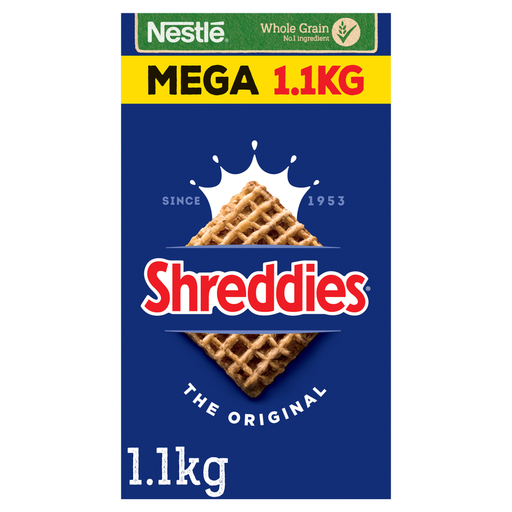
A large ready-to-eat option for staggered breakfasts with bowls, milk and dry storage available.
The listing states a 1.1kg pack, 96.1% wholegrain wheat and 12g fibre per 100g. It contains wheat and barley malt extract and may contain peanuts and nuts.
 No image available
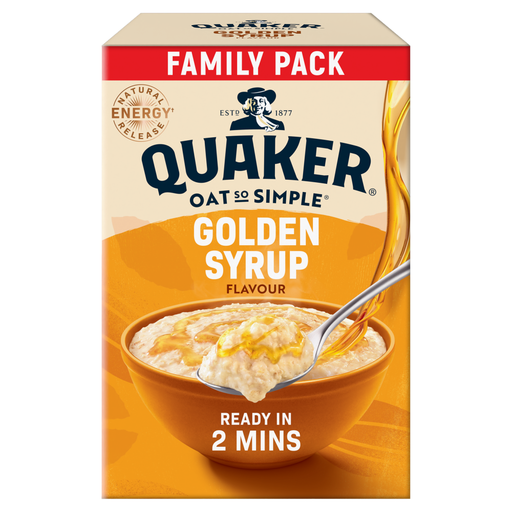
Twenty separate sachets can suit guests making warm breakfasts at different times.
The listing states 20 x 36g portions and two-minute preparation in a 900W microwave with about 180ml milk per sachet. This Golden Syrup variant contains sugar and may contain barley, wheat and soya.
 No image available
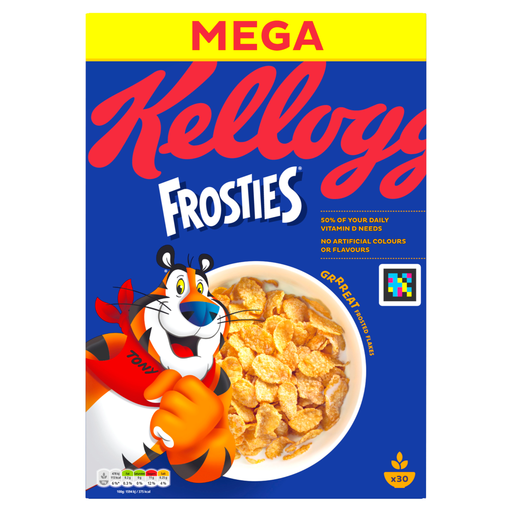
A substantial ready-to-eat box for a group that specifically wants a sweet cold cereal.
The listing gives 925g, 37g sugars and 2g fibre per 100g. It contains barley and may contain peanuts and cereals containing gluten.
 No image available
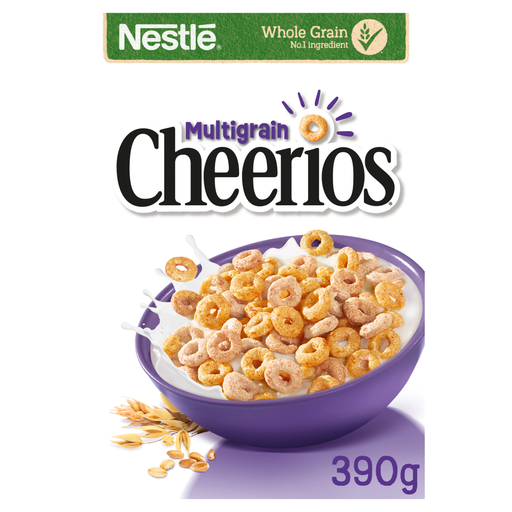
A smaller ready-to-eat multigrain option for self-serve breakfasts.
The listing states 9.6g fibre and 17.7g sugars per 100g. It contains oats, wheat and barley, may contain cereals containing gluten and soya, and may not cover several breakfasts for a larger group.
Use the pack’s stated serving size or unit count to estimate the breakfasts required, then add another format if guests may prefer hot food or have different dietary needs. The examples considered include 72 biscuits, 20 sachets and large cereal boxes, but actual coverage depends on serving size and how much each guest eats.
Choose a large ready-to-eat box when several people will eat the same cereal and cold milk is available. Choose portioned porridge when guests may eat at different times and the cottage has a microwave or hob, bowls and a suitable liquid.
Compare sugars, salt and fibre per 100g, then review the serving size. NHS guidance explains that pre-packed food labels give nutrition information per 100g or 100ml and may also show a portion that differs from the amount served.
They can be, where they suit the guest’s diet. NHS guidance gives plain wholewheat biscuits, plain shredded whole grain and porridge oats as higher-fibre breakfast cereal examples, but the exact product ingredients and allergen label still need checking.
Read the exact current pack before buying and before serving. Food Standards Agency guidance requires allergen information for prepacked food, and cereal examples can contain or may contain gluten-bearing cereals, milk, nuts, soya or sulphur dioxide.