New parents putting together quick meals
Cottage cheese offers a spoonable ingredient for cold meals or recipes needing a creamy texture. Pre-grated cheese answers a different need when a dish calls for a shredded topping.


Cottage cheese and pre-grated cheese serve different meal needs: choose a cottage-cheese tub for a cold, spoonable or creamy ingredient, and grated cheese when a recipe calls for a shredded topping. Before buying either, compare the exact pack’s nutrition and storage instructions; a larger chilled tub is useful only if you can finish it within its stated dates and opened-life guidance.
The useful distinction is what the meal needs from the cheese, followed by whether the household can store and use the chosen pack as directed.
Cottage cheese offers a spoonable ingredient for cold meals or recipes needing a creamy texture. Pre-grated cheese answers a different need when a dish calls for a shredded topping.
If a baby will share a cheese-containing meal, the product choice needs an additional check. NHS guidance says babies can eat pasteurised full-fat cheese from around 6 months, including cottage cheese and mild cheddar; check the exact pack rather than assuming an adult meal ingredient meets those conditions.
Pack size matters when cottage cheese will be opened and used more than once. Compare the use-by date, refrigeration instructions and any period stated for consumption after opening before choosing a larger tub.
Choose it when: The meal needs a soft, spoonable ingredient, such as cheese for toast, a salad or a creamy recipe.
Bear in mind: It is not shredded cheese, and the tub’s refrigeration and opened-life instructions affect how practical the pack size will be.
Choose it when: A recipe calls for grated cheddar, mozzarella or a cheese blend as a quick topping.
Bear in mind: It is a different ingredient from cottage cheese; check the named variety or blend rather than assuming every grated pack suits the same recipe.
Settle the recipe’s format first, then compare labels and choose an amount that fits the meals you expect to make.
| Priority | What to check | When it matters to me |
|---|---|---|
| Cheese format | Check whether the recipe calls for soft cottage cheese or a named grated cheese. Tesco and Sainsbury’s list cottage and grated cheeses in separate ranges. | For a cold, spoonable ingredient, I would choose cottage cheese. If dinner calls for a shredded topping, I would look at grated cheese instead. |
| Pack size and storage | Read the use-by date, refrigeration temperature and any instructions for use after opening. For example, Tesco lists a 3-day opened-life for its Arla Natural Cottage Cheese 500g listing. | A larger tub makes sense for me only if I expect to use it within the instructions on that pack. |
| Nutrition label | Compare protein, fat, saturated fat and salt on the exact products, using the same per-100g basis. NHS guidance recommends checking dairy-product nutrition labels rather than treating products as interchangeable. | If cheese will feature regularly in family meals, I want to compare the packs I am actually considering, not assume all cottage or grated cheeses have the same values. |
| Meals shared with a baby | Check whether the exact cheese is pasteurised and full-fat. NHS guidance includes cottage cheese and mild cheddar among pasteurised full-fat cheeses babies can eat from around 6 months. | When a baby may share the meal, I need to check the cheese and the meal separately from what works as a quick adult topping. |
| Preparation | If considering a block instead of pre-grated cheese, check that the recipe calls for that cheese and allow for grating and washing up. A hard-cheese grater is not a way to turn cottage-cheese curds into grated cheese. | I might grate a block when I have time, but that does not replace a tub when I want cottage cheese’s spoonable texture. |
Cottage cheese and grated cheddar or mozzarella appear as separate formats in Tesco and Sainsbury’s ranges. A tub will not provide the shredded cheese a recipe specifies.
Check whether the dish needs a soft, spoonable ingredient or a grated topping before choosing the pack.
Opened-life instructions differ by product. Tesco’s listings for Arla Natural Cottage Cheese 500g and Graham’s Natural Cottage Cheese Full Fat 300g both say to consume them within 3 days of opening.
Match the tub size to planned meals, and follow the temperature and opened-life instructions on the pack you buy.
NHS guidance specifies pasteurised full-fat cheese for babies from around 6 months. A grated format or a convenient pack size does not establish whether a particular product meets that guidance.
Check the exact cheese label if a baby may be offered some as part of a meal.
The Food Standards Agency distinguishes use-by dates, which concern food safety, from best-before dates, which concern quality. The distinction matters for chilled food that deteriorates over time.
Follow the product’s use-by date and refrigeration instructions rather than relying on its appearance or smell to extend its use.
These examples show why the exact tub and its label matter; the figures and handling instructions below apply to the named products, not every cheese made by each brand.
Tesco lists Philadelphia Protein Cottage Cheese in a 200g tub.
Tesco lists Arla Natural Cottage Cheese in a 500g tub, a size to consider when several uses are planned.
Tesco lists Graham’s Natural Cottage Cheese Full Fat as a 300g tub.
Ocado lists Piatnica Cottage Cheese as a 200g option for shoppers comparing smaller chilled tubs.
The Waitrose Essential online range illustrates the difference between formats: it lists cottage cheese and grated cheddar separately.
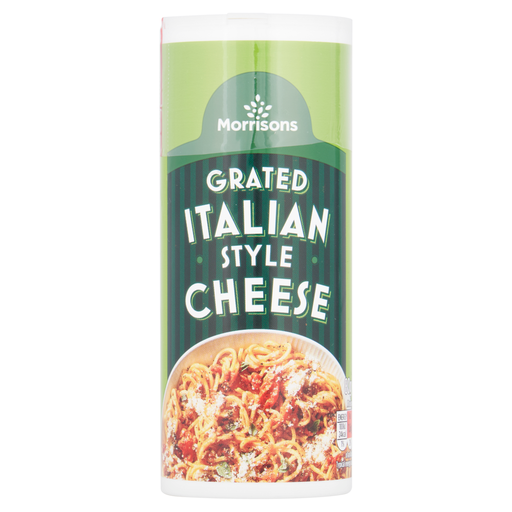
This selection covers a grated topping for meals that call for that format, not a cottage-cheese tub or a substitute for its spoonable texture.
 No image available
This grated cheese is an option when a quick meal calls for a shredded topping rather than spoonable cottage cheese; its description mentions pasta bakes and pizzas. The description says it is made with raw milk, so do not assume it meets NHS guidance on pasteurised full-fat cheese for babies from around 6 months. Check the exact pack for pasteurisation and cheese variety if either matters to the meal.
Cottage cheese and pre-grated cheese are listed as different formats in the Tesco and Sainsbury’s ranges considered here: cottage cheese appears with soft cheeses, while their grated ranges include cheddar, mozzarella and blends. Choose according to whether the meal needs a spoonable ingredient or shredded cheese, rather than assuming one format will do the other’s job.
Follow the instructions on your exact tub, because opened-life and storage directions are product-specific. Tesco’s Arla and Graham’s cottage-cheese listings say to refrigerate below 5°C and consume within 3 days of opening; Ocado’s Piatnica listing specifies refrigeration from +1°C to +6°C and directs shoppers to the use-by date on the lid.
NHS guidance says babies can eat pasteurised full-fat cheese from around 6 months and includes cottage cheese and mild cheddar as examples. Check the exact product for those conditions rather than assuming that every cottage-cheese tub or grated-cheese pack qualifies.
No. The Food Standards Agency explains that a use-by date concerns food safety, while a best-before date concerns quality. For a chilled cheese with a use-by date, follow that date and the pack’s storage directions.