Who is each format for?
The useful distinction is whether lunch will be served cold or heated, followed by how it will be stored.
Families preparing cold lunches
Cottage cheese can be used as a sandwich filling or alongside crackers and vegetables; M&S also describes it as an option for sandwiches and salads. Check how you will keep the pot chilled until lunch and when it must be used after opening.
Families making heated lunches
If the plan is a quesadilla, cheesy beans or another heated dish that calls for grated cheese, shop for that format rather than a spoonable cottage-cheese pot. Marks & Spencer suggests those uses for its grated mature Cheddar.
Anyone checking for milk ingredients
The cottage-cheese and grated-Cheddar examples list milk. The Food Standards Agency identifies milk as an allergen found in cheese, so check the current pack before serving either format to someone who needs to avoid it.
What should you check before buying?
Decide how the cheese will be used, then compare the exact packs for storage, ingredients and nutrition information.
| Priority |
What to check |
Your needs |
| Cheese format |
Check whether the product is a spoonable cottage-cheese pot or grated cheese. Waitrose lists them in separate ranges; its grated range includes Cheddar and mozzarella products. |
For a cold filling or dip, I want cottage cheese. If lunch needs a grated topping for a heated dish, I’ll choose grated cheese instead. |
| Chilled storage |
Read the use-by date, refrigeration temperature and after-opening instructions on the chosen pack. The Arla and Waitrose Essential cottage-cheese examples specify storage below 5°C and use within 3 days of opening. |
If lunch will be away from a fridge, I need a way to keep the cheese chilled, such as a cool bag and cold pack. I’ll also choose a pot size I can use within its labelled period. |
| Fat and salt |
Compare the same measures per 100g on the products you are considering. Waitrose & Partners lists less than 0.5g fat per 100g for Essential Fat Free Cottage Cheese; Marks & Spencer lists 34.9g fat and 1.80g salt per 100g for British Grated Mature Cheddar. |
I want to compare the actual labels and portions, rather than assume a cottage-cheese pot and grated Cheddar have the same nutrition values. |
| Ingredients and allergens |
Read the current ingredients and allergen declaration. The checked cottage-cheese and grated-Cheddar products list milk; the Food Standards Agency identifies milk as an allergen found in cheese. |
Before packing lunch for someone who needs to avoid milk, I need to check the physical pack, even if I’ve bought a similar product before. |
Relevant brand and range references
These examples show what to compare within the two cheese formats; they do not make the brands or their wider ranges interchangeable.
Arla
Tesco lists Arla Natural Cottage Cheese in a 500g chilled pot for shoppers seeking spoonable cottage cheese.
- Tesco lists 10.3g protein per 100g for this product.
- It is not grated cheese. Tesco’s listing says to refrigerate it below 5°C and consume it within 3 days of opening.
Waitrose Essential
The Waitrose cottage-cheese range includes an Essential fat-free pot alongside other cottage-cheese options.
- Waitrose & Partners lists less than 0.5g fat and 10.2g protein per 100g for Essential Fat Free Cottage Cheese.
- This is still a milk-containing, chilled cottage cheese, not a pre-grated product. Follow its use-by date and after-opening instructions.
M&S
M&S describes cottage cheese for sandwiches and salads, while its British Grated Mature Cheddar is suggested for heated dishes including quesadillas.
- The two product formats offer a clear choice between a cold, spoonable ingredient and grated cheese for a dish that calls for it.
- The grated Cheddar lists milk and potato starch, with 34.9g fat and 1.80g salt per 100g according to Marks & Spencer; do not assume it has the same label values as a cottage-cheese pot.
Philadelphia
Tesco lists Philadelphia Protein Cottage Cheese 200g in its cottage-cheese and quark range.
- It is a branded cottage-cheese option to compare with other pots in that range.
- Its category listing does not make it a grated-cheese option; check the individual pack for the details relevant to your lunch.
A Joybuy grated-cheese option
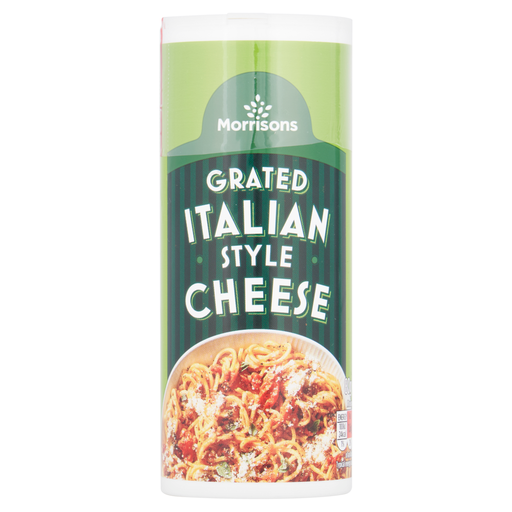
This grated-cheese option relates to a heated school-holiday lunch that calls for grated cheese, rather than a cold lunch requiring spoonable cottage cheese.
 No image available
Morrisons Grated Italian Style Cheese 80g
Consider this grated format when preparing a heated dish rather than a cold cottage-cheese filling. The 80g product is described for dishes including pasta bakes and pizzas; check its milk and egg allergen information and the pack’s storage instructions before use.
View on Joybuy
Questions about lunch preparation
Is pre-grated cottage cheese the right thing to look for?
Choose the format according to the meal instead. Waitrose lists cottage cheese and grated cheese in separate ranges: a cottage-cheese pot suits a cold filling or dip, while grated cheese suits a dish that calls for a grated topping.
How long can I use cottage cheese after opening it?
Follow the instructions on the particular pot. The Arla product listed by Tesco and the Waitrose Essential example both specify refrigeration below 5°C and consumption within 3 days of opening; the Waitrose product also says not to exceed its use-by date.
Can cottage cheese go in a packed lunch?
It can be used as a cold filling or dip if you can keep it chilled and follow the pack’s storage instructions. If lunch will be away from a fridge, plan how to keep the cheese cold until it is eaten.
What if the lunch is for someone who needs to avoid milk?
Check the current physical label before choosing either dairy format. The Food Standards Agency identifies milk as an allergen found in cheese, and the cottage-cheese and grated-Cheddar examples discussed here list milk.
Can I compare cottage cheese and grated Cheddar by their nutrition labels?
Yes, but compare the exact products using the same measure, such as per 100g, and keep their different uses in mind. Waitrose & Partners lists less than 0.5g fat per 100g for Essential Fat Free Cottage Cheese, while Marks & Spencer lists 34.9g fat per 100g for British Grated Mature Cheddar; those figures describe those products, not every cheese in either format.


