Choose cottage cheese if you want a spoonable filling or dip; choose grated cheese if you need loose pieces to sprinkle over food. Waitrose lists cottage cheese separately from grated Cheddar and mozzarella, so the formats are not interchangeable. For a summer picnic, pack either chilled cheese in a cool bag or cool box with ice or frozen gel packs, following Food Standards Agency guidance for refrigerated dairy.
Who is each format for?
The dish you are packing determines whether a cottage-cheese pot or grated cheese makes sense.
People packing dips or sandwich fillings
A cottage-cheese pot suits a spoonable filling, dip or salad accompaniment. Plan to carry it in a cool bag or cool box with ice or frozen gel packs, as the Food Standards Agency advises for refrigerated dairy.
People who need grated cheese
If the cheese must be sprinkled over picnic food, look for a grated product rather than cottage cheese. Waitrose lists grated Cheddar and mozzarella separately from cottage cheese.
People comparing cottage-cheese labels
Check the particular pot for its declared nutrition, milk-allergen information and storage instructions. The details differ between the cottage-cheese products listed by Sainsbury's, Waitrose and ASDA.
What should you check before buying?
Settle the cheese format first, then check how you will keep it cold and whether the individual pack suits the people eating it.
| Priority |
What to check |
Your needs |
| Cheese format |
Check whether the pack contains spoonable cottage cheese or grated cheese. Waitrose lists cottage cheese separately from grated Cheddar and mozzarella. |
I'm making a dip or filling, so I need a spoonable cheese. If I'm topping a salad with loose grated cheese instead, a cottage-cheese pot will give me a different texture. |
| Picnic storage |
Check the pack's refrigeration and use-by instructions. Pack refrigerated dairy in a cool bag or cool box with ice or frozen gel packs, following Food Standards Agency guidance. |
I need the cheese to stay cool between leaving home and serving it, rather than leaving it out on the picnic table. |
| Pack label |
Compare nutrition on the same stated basis, such as per 100 g. Read the exact allergen and lactose statements: Waitrose says its Lindahls lactose-free cottage cheese is not suitable for people with a milk allergy. |
I want to compare the pots' declared contents and check that the cheese is appropriate for everyone I'm serving. |
Picnic buying and packing mistakes
-
Treating cottage cheese as pre-grated cheese
A cottage-cheese pot will not provide the loose grated texture needed for sprinkling. Waitrose lists cottage cheese and grated cheeses as separate products.
Decide whether the dish calls for a spoonable cheese or grated pieces before choosing a pack.
-
Leaving refrigerated cheese out during the picnic
Food Standards Agency guidance says dairy that is normally kept in the fridge also needs to be kept cool at a picnic.
Use a cool bag or cool box with ice or frozen gel packs, and take the cheese out when you are ready to serve it.
-
Confusing lactose-free with milk-allergen suitability
Waitrose states that its Lindahls lactose-free cottage cheese is not suitable for people with a milk allergy.
Read the allergen declaration on the exact pack before serving it to someone with a milk allergy.
Cottage-cheese brand references
These retailer-listed cottage-cheese pots illustrate differences worth checking on the pack; they are not grated-cheese alternatives.
Arla
Sainsbury's lists Arla Natural Cottage Cheese in a 300 g pot.
- The Sainsbury's listing declares 10 g protein per 100 g.
- It is a refrigerated cottage-cheese pot, not grated cheese. The listing says to keep it below 5°C and consume it within three days of opening.
All Things
Sainsbury's lists separate 240 g Low Fat and Smooth cottage-cheese pots.
- The Low Fat listing declares 11 g protein per 100 g; the Smooth listing describes a soft, smooth texture.
- Both are spoonable pots rather than grated cheese. Check the chosen variant's label for its own nutrition and storage instructions.
Lindahls
Waitrose lists a Lindahls cottage-cheese pot labelled lactose-free.
- The Waitrose listing states that it contains less than 0.01% lactose.
- The same listing says it is not suitable for people with a milk allergy. It is cottage cheese, not grated cheese.
ASDA
ASDA lists its own-label Cottage Cheese in a 300 g pot.
- The ASDA listing identifies it as full-fat cottage cheese made with pasteurised milk.
- It contains milk and must be kept refrigerated. The listing says to consume it within three days of opening and not to exceed the use-by date.
Joybuy grated cheese for picnic use
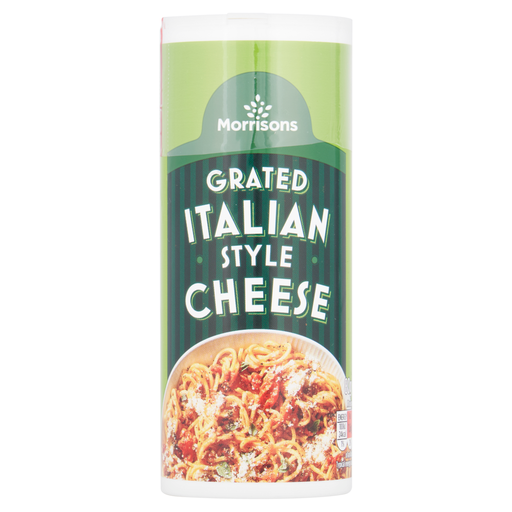
This grated-cheese option is for a picnic dish that needs loose cheese rather than a spoonable cottage-cheese filling or dip.
 No image available
Morrisons Grated Italian Style Cheese 80g
For sprinkling over picnic food when grated cheese is the intended format, not for use as a spoonable cottage-cheese dip. Check the pack's allergen and storage instructions, and keep refrigerated dairy cool during the picnic.
View on Joybuy
Picnic cheese questions
Can I take cottage cheese to a summer picnic?
Yes, if you can keep it cool until serving. The Food Standards Agency advises packing dairy and other foods normally kept in the fridge in a cool box or cool bag with ice or frozen gel packs; Food Standards Scotland gives similar picnic advice.
How long can cottage cheese be out of the fridge?
Keep it cool rather than planning to leave it on the picnic table. Food Standards Scotland advises eating ready-to-eat picnic foods within four hours of taking them out of the fridge; this does not replace its advice to use a cool bag or box with ice or frozen packs.
Is lactose-free cottage cheese suitable for someone with a milk allergy?
Not necessarily. Waitrose states that its Lindahls lactose-free cottage cheese is not suitable for people with a milk allergy. Read the allergen declaration on the exact product before serving it.
What should I do with an opened cottage-cheese pot?
Follow its label's refrigeration, use-by and after-opening instructions. Sainsbury's Arla and All Things listings, and ASDA's own-label listing, each specify consumption within three days of opening; that does not extend the printed use-by date.


