Compact-cottage fresh-food hosts
Hosts fitting out a small kitchen who need a vegetable drawer for radishes alongside space for guests’ usual chilled groceries.


For a small holiday-cottage kitchen, an under-counter fridge with a vegetable drawer is a practical choice for radishes and everyday chilled groceries, provided it fits with the required ventilation and door clearance. If produce needs to last through longer stays, consider a high-humidity compartment instead, but check the appliance dimensions and whether guests also need frozen-food storage.
Hosts fitting out a small kitchen who need a vegetable drawer for radishes alongside space for guests’ usual chilled groceries.
Consumers who shop ahead for several days and place greater importance on produce-storage conditions than on the smallest possible fridge.
Operators choosing a fridge for changing guests who need to consider door opening, clear storage layout and whether a door-open alert would be useful.
Start with the space available, then decide how long produce needs to keep and which features will make the fridge straightforward for guests to use. A vegetable drawer provides a designated place for radishes; it should not be treated as equivalent to a controlled high-humidity compartment.
| Concern | What to check | Who this matters to |
|---|---|---|
| Produce freshness | Look for a usable vegetable drawer. If radishes must keep through longer stays, check the conditions provided by any humidity-controlled compartment. | When radishes need to last beyond a brief stay, keeping them cool without drying out becomes my priority; around 45% of consumers put produce freshness first. |
| Fit and ventilation | Measure the full space and open-door path, then follow the exact model’s ventilation instructions. Beko advises at least 5 cm above and behind its small fridges while noting that requirements vary by model. | With a tight under-counter opening, I need a fridge that fits without blocking a cupboard or losing airflow; roughly 36% of consumers make practical fit their primary concern. |
| Guest use and energy information | Decide whether a door-open alarm would help, and compare the exact models’ energy labels, annual energy use, volume and noise information. Check separately whether frozen storage is needed. | If different guests use the kitchen, I want the fridge to be easy to close and organise while making an informed energy choice; about 19% of consumers put guest-friendly operation first. |
A fridge can fit the opening yet lack the airflow or door clearance required for installation. Beko’s guidance for its small fridges gives at least 5 cm above and behind, but directs buyers to the individual model’s instructions.
Measure the opening, rear and overhead space, and the full door path against the installation manual before ordering.
Overlooking clearance may mean changing the installation position or choosing a different appliance.
Radishes benefit from cool, humid storage, but an ordinary vegetable drawer does not establish the same conditions as a dedicated freshness compartment. Liebherr’s storage guidance describes different keeping times under specified temperature and humidity conditions, not a guarantee for every fridge.
For a short stay, consider a vegetable drawer and keep prepared radishes slightly moist in an airtight container. If longer storage is a recurring need, check the conditions of a produce-specific compartment.
An energy class alone does not show how two differently sized appliances will meet the cottage’s storage needs or how much electricity each model lists for a year.
Compare annual energy consumption alongside chilled volume, dimensions and the energy label for each exact model.
Its compact freestanding under-counter larder-fridge range is relevant where worktop space is limited.
The Series 2 KTR15NWEAG is an under-counter option for consumers interested in chilled capacity and a door-open warning.
Its BioFresh range is relevant when longer produce storage matters more than a compact under-counter footprint.
These under-counter choices focus on fitting a cottage kitchen while providing space for fresh groceries. Compare the produce area and door arrangement with your layout; check the exact model’s ventilation instructions before installation.
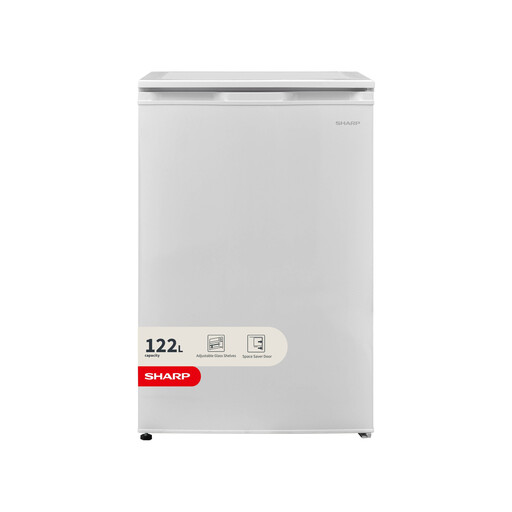 No image available
Consider this 54 cm-wide option where the cottage has a narrow under-counter space. Its title specifies energy class E; check whether the icebox arrangement and manual-defrost upkeep suit the intended use.
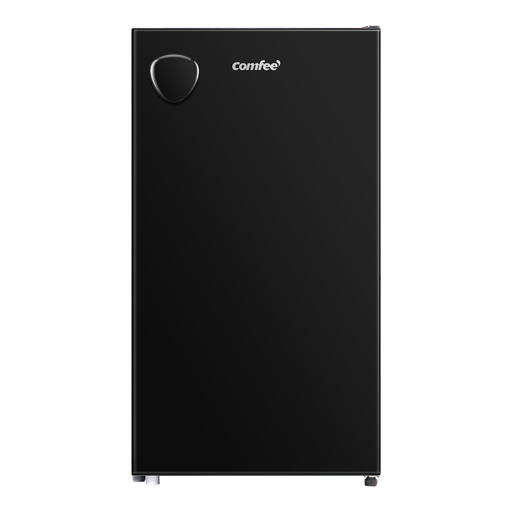 No image available
Its stated 88 L capacity and reversible door are worth considering where the available space and opening direction shape the choice. The title also lists removable glass shelves and energy class E. Follow the cooler box instructions: the listing warns against leaving items there for over two hours because they may freeze.
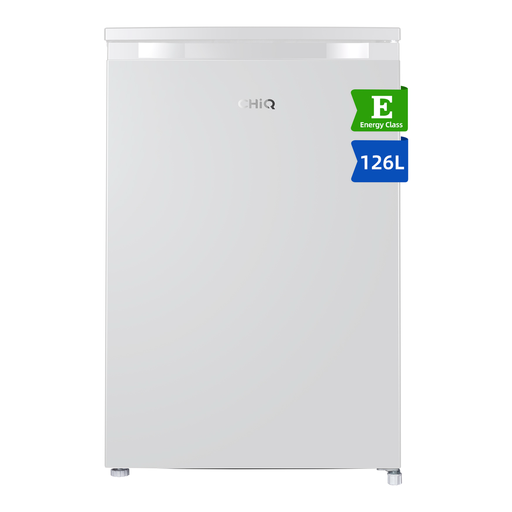 No image available
This larder-fridge format is relevant when the cottage needs chilled groceries rather than an identified frozen-food compartment. Its title states 126 L, a 55 cm width and energy class E. Check the opening direction if access beside a cupboard or walkway is tight.
 No image available
Consider this 55 cm-wide larder fridge if a dedicated area for vegetables and a reversible door suit the cottage layout. Confirm its usable capacity before comparing grocery space: the product title and description give 132 L, while the specification table gives 170 L.
No: a conventional fridge with a vegetable drawer can suit short stays when radishes are kept slightly moist in an airtight container without being crushed. For longer storage, check the conditions of a dedicated compartment; Liebherr says radishes can keep for up to 10 days in its high-humidity BioFresh Fruit & Vegetable safe just above 0 °C.
Measure the opening’s height, width and depth, including any plinth, then allow for the open door and the model’s required airflow. Beko’s guidance for its small fridges gives at least 5 cm above and behind, but the exact installation manual determines the clearance to use.
Compare annual energy consumption for the exact models alongside their volume and dimensions, rather than choosing by energy class alone. The UK Department for Energy Security and Net Zero and Office for Product Safety and Standards guidance explains the point-of-sale energy-label and product-information requirements for products within scope.