Short-stay guests storing chilled essentials
If the fridge mainly needs to hold yoghurt, drinks and snacks for a brief stay, counter space and the amount that fits on each shelf may matter more than extra compartments.


Choose a table-top fridge if a short cottage stay calls for yoghurt, drinks and a few chilled essentials; consider an undercounter fridge freezer when a longer stay, more groceries or frozen food justifies the extra space. Whichever type you choose, check that it fits the intended room and use a fridge thermometer to check the temperature where the yoghurt sits—a thermostat setting is not a shelf-temperature reading.
If the fridge mainly needs to hold yoghurt, drinks and snacks for a brief stay, counter space and the amount that fits on each shelf may matter more than extra compartments.
Couples, families and small groups staying for several days may need room for yoghurt alongside other chilled food. A separate freezer becomes relevant if frozen food is part of the stay.
An appliance needs to fit its allocated position and suit the room conditions. Owners also need a practical way to check the temperature at which guests' food will be stored.
Choose it when: a short stay calls for yoghurt and a small selection of other chilled food in a tight kitchen.
Trade-off: the compact 43 L and 45 L models described by Russell Hobbs and Fridgemaster offer less room for a wider grocery shop; the Fridgemaster MUR4545 has no separate freezer.
Choose it when: several guests, a longer self-catering stay or frozen food make separate chilled and frozen storage useful.
Trade-off: an undercounter position needs more height. Montpellier states that its MAB2035EK is unsuitable for outbuildings, so its intended room matters as much as its capacity.
| Concern | What to check | Who this matters to |
|---|---|---|
| Yoghurt storage temperature | Check for adjustable temperature control, then measure the temperature at the yoghurt shelf after installation. The Food Standards Agency identifies 4–5°C as the recommended domestic fridge range. | I need to know that yoghurt stays chilled where it sits, rather than relying on the dial; around 33% of consumers put temperature checking first. |
| Capacity and layout | Compare chilled capacity and usable shelves with the yoghurt, cartons and other food you expect to store together. Decide separately whether a freezer is needed. | For a longer self-catering stay, I need space for yoghurt alongside the rest of the chilled groceries; around 27% of consumers put capacity and organisation first. |
| Kitchen fit and disturbance | Measure width, height and depth, including the ventilation space required by the manual. Check the door swing and stated noise if living or sleeping space is nearby. | Where the kitchen is cramped or close to a sleeping area, I need a fridge that fits without obstructing access; around 20% of consumers put fit and disturbance first. |
| Room conditions and freezer needs | Compare the exact model's stated ambient conditions with its intended room. If frozen food matters, check for a separate freezer and sufficient capacity. | If the fridge will stand in a colder utility area, I need to check that the location suits it and whether frozen food needs its own compartment; around 20% of consumers put these requirements first. |
A control setting is not the temperature at the yoghurt shelf. The Food Standards Agency notes that domestic fridges can operate above its recommended 4–5°C range.
After installation, place a fridge thermometer where the yoghurt will sit and adjust the control if needed. Recheck after a power interruption or a substantial change in room temperature.
A fridge can have enough room for the food yet still obstruct a cupboard or fail to fit its allocated position. A smaller unit, meanwhile, may leave too little space for a longer stay.
Measure the available width, height and depth, allow the ventilation space required by the manufacturer, and check the hinge direction and door swing.
Size alone does not establish where an appliance can operate. Montpellier states that the MAB2035EK has a 16–38°C ambient range and is unsuitable for outbuildings.
Check the exact model's stated operating conditions against the intended cottage room before ordering.
Yoghurt is ready to eat, so the way food is arranged in a shared fridge matters. The NHS advises keeping raw meat in covered containers at the bottom of the fridge.
Keep yoghurt clear of raw-food drips and follow the use-by information on its pack.
These models illustrate different ways to equip a cottage kitchen; check the specifications of the particular appliance you plan to buy.
The RHTTF0E1W is a 43 L table-top option for a kitchen where a small dedicated chilled space is the priority.
The MUR4545 is a 45 L larder-style fridge for a focused selection of chilled food and drink.
The MAB2035EK is an undercounter fridge freezer for stays that call for more chilled-food organisation and separate frozen storage.
These choices include a 43 L compact fridge, an 82 L single-door fridge and an 88 L undercounter fridge for cottage chilled storage. Match the space available and the food you need to store before choosing.
 No image available
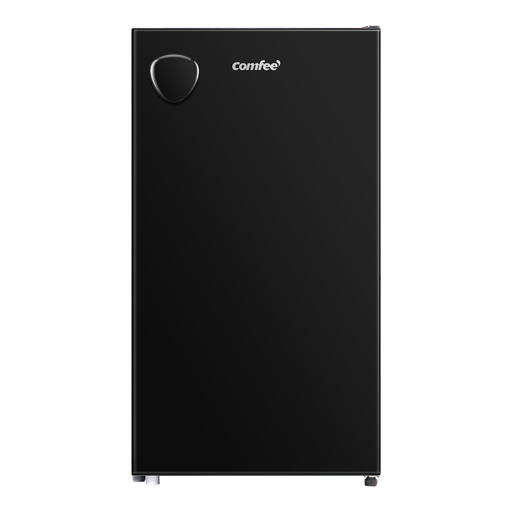
Consider this undercounter fridge when yoghurt needs to share space with other chilled essentials. Its listed features include an adjustable thermostat, reversible door, removable glass shelves and interior light.
Check the temperature at the yoghurt shelf after installation. The product information cautions against keeping items in its dedicated cooler zone for more than two hours to avoid freezing; check the instructions before using that zone for yoghurt.
Confirm the required ventilation space and door clearance for the intended position.
 No image available
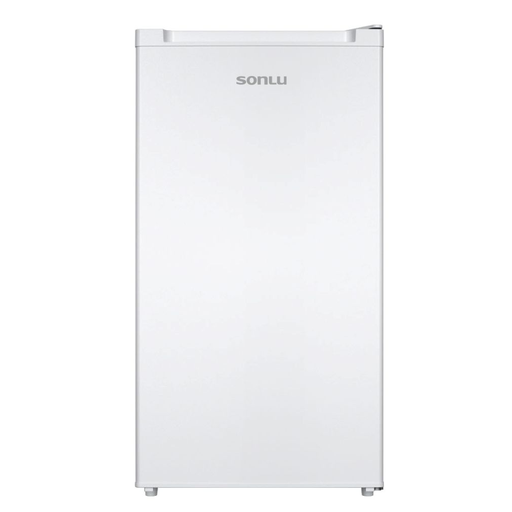
This single-door refrigerator is an option when a cottage stay calls for more chilled-food capacity than a small table-top fridge. Its listed capacity is 82 L, and its listed energy class is E.
Check its full dimensions and stated ambient operating conditions against the intended room, then measure the temperature where the yoghurt will sit after installation.
 No image available
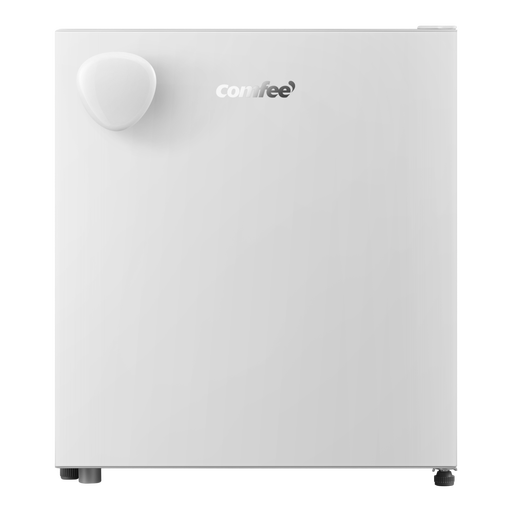
Consider this compact fridge for a short stay with a small amount of yoghurt and other chilled food. The listing gives a 43 L capacity, a 44.5 cm width, a right-opening door and three-stage temperature adjustment.
Check its full dimensions, ventilation clearance and door access before ordering. After installation, measure the temperature at the yoghurt shelf rather than relying on the control setting.
Aim to keep the yoghurt in a properly chilled fridge: the Food Standards Agency identifies 4–5°C as the recommended domestic refrigerator range. After the appliance has settled in its cottage location, use a fridge thermometer at the yoghurt shelf because the thermostat setting does not measure that shelf's temperature.
It can be enough when the fridge mainly holds yoghurt, drinks and a few chilled essentials for a short stay. If several guests need space for a wider grocery shop, compare larger chilled compartments; if they need frozen food, check for a separate freezer.
Only if the exact appliance is suitable for that location. Montpellier states that its MAB2035EK is unsuitable for outbuildings and lists a 16–38°C ambient range, so check the intended room against the chosen model's installation instructions rather than judging by size.
Use the label alongside the capacity, layout and noise information relevant to the cottage. The Department for Energy Security and Net Zero and the Office for Product Safety and Standards say products within the applicable Great Britain energy-information rules must have an accurate energy label; the label alone does not tell you whether a fridge fits the kitchen or maintains the required temperature at the yoghurt shelf.