
24/7 Customer Support

Free returns

Same-day & Next-day Delivery

Quality Guaranteed

Unlock Your Welcome Offers: FREE Delivery | Up to 80% OFF | Free 30-day JoyPlus trial
Download the APP
For many UK households, facial tissues are used for far more than wiping noses. They may remove make-up, dry a baby’s skin, replace a face cloth during travel or clean small household spills. However, a low price or attractive “natural” label does not always reveal whether the product will perform well when damp.
This guide explains what to check when comparing 100% cotton facial tissues, soft facial tissues and disposable face towels, with practical recommendations for different household needs.
Some disposable facial cloths use plant fibres, cellulose, rayon or viscose. These can still feel soft and absorbent, but they are not the same as a product labelled 100% natural cotton.
Check the material declaration rather than relying on terms such as “cotton towel”, “cotton touch” or “natural softness”. If the fibre composition is not clearly stated, it is difficult to compare products fairly.
A product may be marketed for toilet or travel use, but flushing disposable wipes can contribute to blocked pipes and sewer problems. Cotton facial tissues and disposable face towels should generally be placed in a household waste bin after use unless the packaging and local wastewater guidance clearly state otherwise.
Even products described as flushable should be used cautiously. In UK homes, bin disposal is the more practical default for wet and dry facial wipes.
A family pack of tissues can reduce the cost per sheet, but only if the packs can be stored in a cool, dry place. Bathrooms can become humid, particularly when packs are stored close to a shower or bath. Damp packaging may affect cleanliness, texture and ease of dispensing.
Large quantities are more suitable when each inner pack is sealed individually. This keeps unused tissues protected and makes it easier to distribute packs around the home.
For people seeking sensitive skin tissues, examine whether the product is:
The Purcotton products listed here are described as using 100% premium cotton and as being free from fragrance, alcohol, fluorescent brighteners and softeners. The product information also states that selected versions carry OEKO-TEX STANDARD 100 certification. Check the individual listing and packaging for the exact specification before purchasing.
For a more general plant-fibre option, disposable face towels made from cellulose or viscose may provide a soft texture and useful absorbency, but they should not be described as 100% cotton.
Dry tissues can feel soft but fall apart when wet. If you plan to use cotton cleansing cloths for face washing, make-up removal or baby care tissues, look for wording such as:
A textured surface can help lift make-up and moisture, while a smoother side may be more comfortable for final wiping. Do not assume that thicker means more suitable: texture, sheet size and wet strength all affect performance.
Compare the total number of sheets, not only the number of packs. A small travel pack may be convenient in a handbag or suitcase, while a 2,160- or 4,000-sheet bundle is more suitable for a busy household.
Also check sheet dimensions. Larger 200mm × 200mm sheets can cover more of the face or hand in one use. Smaller sheets may create less waste for quick cleansing or baby care.
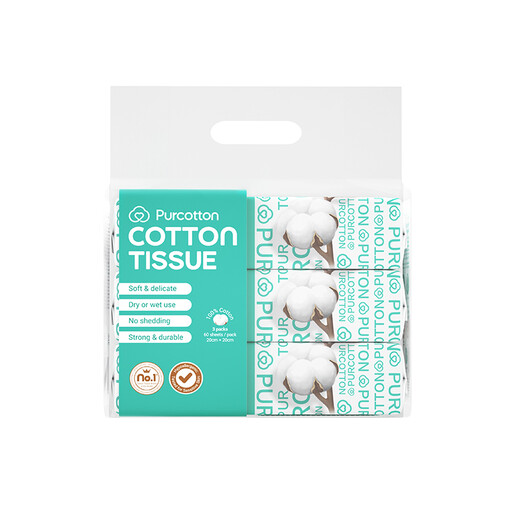
Why This Fits Their Persona: The three-pack format offers a manageable starting quantity for shoppers trying cotton facial tissues for cleansing, make-up removal or occasional wet use.
The listing identifies 100% natural cotton and states that the sheets can be used dry or damp, helping shoppers avoid vague fibre descriptions.
100% cotton material; listed as lint-free and suitable for facial cleansing, make-up removal and baby care.
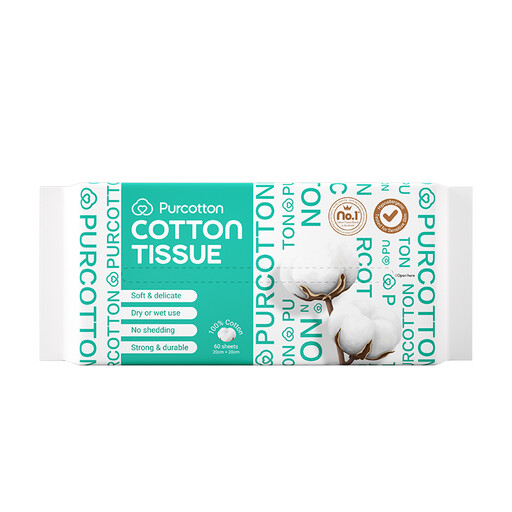
Why This Fits Their Persona: A smaller pack suits skincare users who want a clearly specified material for regular facial cleansing without committing to a bulk carton.
The description specifies the fibre content and states that it contains no fragrance, alcohol, brighteners or softeners.
Dry and wet use; the listing states that the sheet retains its texture when wet without shedding fibres.
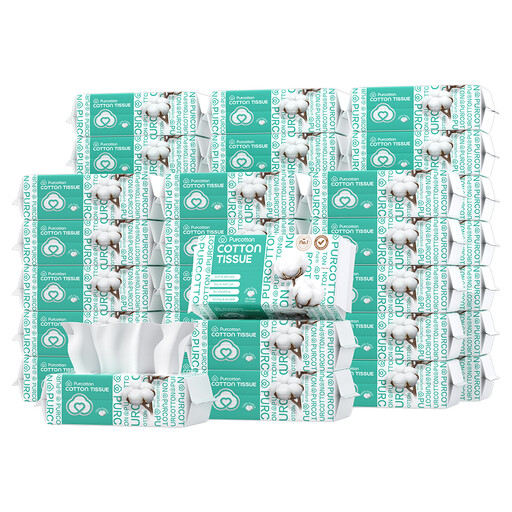
Why This Fits Their Persona: Forty packs of 100 sheets are suited to larger UK households, frequent baby care, daily cleansing and shoppers who prefer to stock up.
The quantity is stated clearly as 100 sheets across 40 packs, while the care guidance says to store the packs dry and discard after use.
100% cotton non-woven construction; approximately 200mm × 200mm sheets for broader coverage.
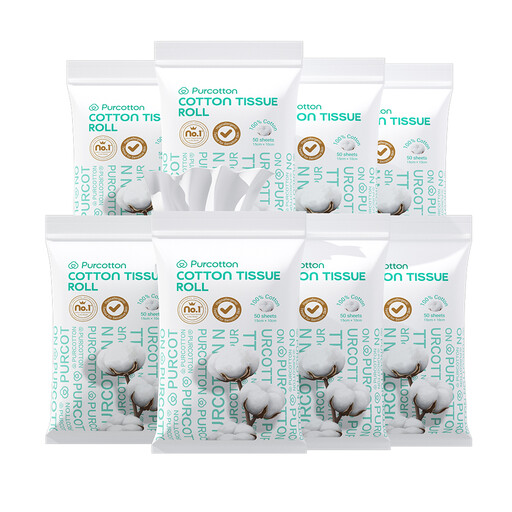
Why This Fits Their Persona: Eight compact packs of 50 sheets are easy to divide between a handbag, car, changing bag or suitcase.
Individually packed travel units help protect unused sheets from moisture and avoid carrying a full household bundle.
100% premium cotton; 15cm × 10cm travel sheets designed for dry or damp use.
We have compiled a complete, real-time list of products that fully satisfy these strict selection criteria and UK safety regulations.
They can be used for make-up removal when dampened with water or paired with a suitable cleanser. Choose a sheet that is sufficiently large and retains its structure when wet. Avoid rubbing the skin forcefully and stop using the product if irritation occurs.
Shelf life varies by product. Some Purcotton listings state a validity period of three years from the date of manufacture. Follow the packaging information, keep packs sealed and store them away from humidity, direct sunlight and heat.
They may reduce the cost per sheet, but calculate the price by dividing the pack price by the total sheet count. A large pack is practical only when you have suitable dry storage and will use the tissues regularly. For occasional use, travel facial wipes or smaller packs may help prevent unnecessary stockpiling.