Occasional handkerchief pressers
If you press only a few cotton handkerchiefs, a self-contained iron avoids making space for a separate generator unit. Which? describes standard steam irons as compact and easy to store.


For one or two cotton handkerchiefs at a time, a conventional steam iron is a proportionate choice; consider a steam generator mainly if handkerchiefs are part of a substantial, regular ironing load. Check each handkerchief’s care label before choosing a temperature: trims, embroidery or blended fibres may rule out the usual cotton setting. If you plan to use steam, include the iron’s cleaning instructions in your decision.
If you press only a few cotton handkerchiefs, a self-contained iron avoids making space for a separate generator unit. Which? describes standard steam irons as compact and easy to store.
If handkerchiefs go into the same ironing session as other fabrics, a temperature-managed iron may reduce adjustments between ironable items. Follow each item’s care label rather than treating a manufacturer’s fabric-protection claim as permission to iron every finish.
If handkerchiefs are a small part of a larger, regular ironing pile, a steam generator’s separate tank and sustained steam output may be worth considering alongside the space the system needs.
Start with the handkerchief’s care label, then decide whether your usual ironing session calls for a self-contained iron or a separate steam-generator system.
| Concern | What to check | Who this matters to |
|---|---|---|
| Heat and fabric care | Look for usable temperature controls or a documented temperature-managed setting. Check the handkerchief’s iron symbol before using cotton/linen heat. | If my handkerchief has embroidery or a lower-temperature label, I need to avoid treating it like plain cotton. Around 50% of consumers would put correct heat and fabric care first. |
| Small-job practicality | Consider the soleplate, grip and storage space; compare tank capacity with the length of your usual session. | When I press only a few handkerchiefs, I want an iron that is straightforward to handle and put away. Compact, occasional-use practicality would come first for around 40% of consumers. |
| Steam and maintenance | Check the model’s cleaning procedure and permitted water type. If you iron larger batches, consider whether its steam capacity suits that workload. | For regular laundry batches, I need steam I can maintain without risking marks from scale. Around 10% of consumers would make sustained steam and its upkeep their primary concern. |
A blend, trim, print or embroidered section may have different care requirements from plain cotton.
Read the individual iron symbol. Use a cotton/linen or three-dot setting only when that item’s instructions permit it.
Which? distinguishes compact standard steam irons from generators with a separate water tank. The latter’s capacity is more relevant to longer ironing sessions.
Judge the system against your whole laundry routine, not the handkerchiefs alone.
A separate generator unit also needs more storage space.
Philips advises that scale in its steam irons can contribute to brown water, leaking and stains.
Check the exact model’s water and descaling instructions before buying, then follow its stated procedure.
Philips and Tefal describe fabric-protection features for specified ironable fabrics on particular models; those claims do not cover every decoration or an item marked not to iron.
Use the feature within the model’s instructions and follow the handkerchief’s own care label.
Philips offers conventional steam irons as well as temperature-managed models. Its DST5030/26 is a conventional iron; the DST6130/40 is an OptimalTEMP model.
Braun’s TexStyle 3 SI 3055 is a conventional steam iron relevant to small-item pressing.
Tefal has conventional irons with temperature controls and separate steam-generator models for longer sessions.
These conventional steam irons are options to consider for small handkerchief-pressing sessions. Before choosing one, check its temperature settings, care instructions and suitability for your electrical supply.
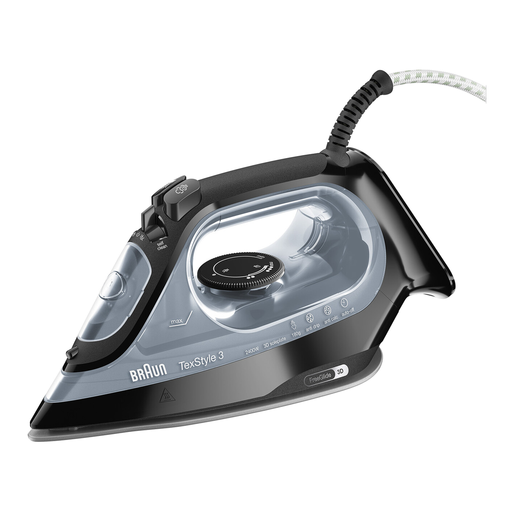 No image available
A conventional iron to consider for occasional handkerchief pressing. Its listed features include 2400 W, a FreeGlide 3D SuperCeramic soleplate and auto-off. Confirm the temperature setting and follow the model’s water and cleaning instructions.
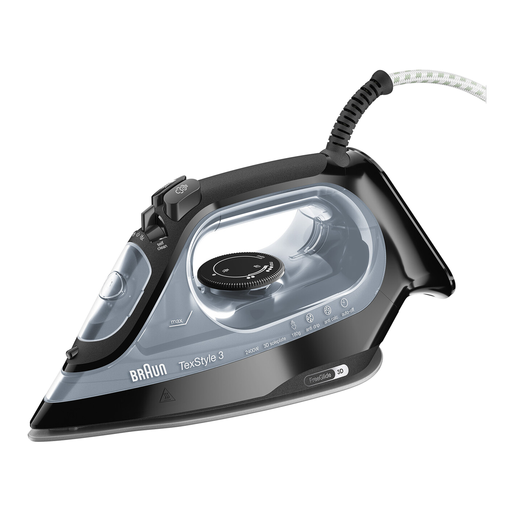 No image available
A conventional iron to consider if a precision tip matters when pressing around small details. The listed specifications include 2600 W, a FreeGlide 3D EloxalPlus soleplate and a precision tip. Check the temperature controls against the handkerchief’s label and consult the model’s water guidance.
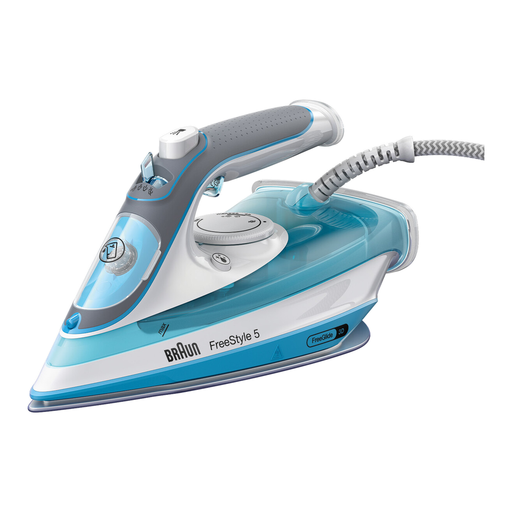 No image available
A conventional iron to consider for occasional pressing when an anti-drip feature is a priority. Its listed features include 2600 W, a FreeGlide 3D SuperCeramic soleplate and anti-drip. Confirm the appropriate temperature setting and the model’s scale-maintenance instructions before use.
Use the setting permitted by that handkerchief’s care label. Tefal associates three dots with cotton and linen, but a lower-temperature symbol, a no-iron symbol or instructions for a trim or blend take precedence over the general cotton setting.
Not usually for handkerchiefs alone. Which? describes standard steam irons as compact and easy to store, while generators have a separate water tank; consider the latter if the handkerchiefs form part of a substantial, regular ironing load.
You can use steam when the item’s care instructions permit ironing and the iron is set for steam use. Follow the model’s instructions for when steam is available, particularly at lower temperature settings where water droplets could mark the fabric.
Follow the exact iron model’s instructions for water and descaling. Philips advises descaling its steam irons every one to two months to help prevent brown water, leaking and stains; the procedure for another model may differ.
Check that the iron’s plug, voltage and instructions suit the electrical supply where you will use it. The Health and Safety Executive advises checking electrical equipment for supply suitability; if delivery is to Northern Ireland, confirm product information applicable there rather than assuming Great Britain guidance applies unchanged.