
24/7 Customer Support

Free returns

Same-day & Next-day Delivery

Quality Guaranteed

Unlock Your Welcome Offers: FREE Delivery | Up to 80% OFF | Free 30-day JoyPlus trial
Download the APP
Cotton pads look simple, but the wrong pack can quickly become wasteful. Pads may tear when wet, leave fluff around the eyes, absorb more toner than your skin or feel too rough for frequent use. Pre-soaked skincare pads create a different set of concerns: active ingredients, texture and usage instructions matter more than the number of pads in the jar.
As the Joybuy Product Recommendation Officer, I focus on practical product information rather than promotional language. This guide explains what to check before buying cotton pads, cotton wool pads, reusable make-up remover pads or treatment-focused skincare pads.
A 200-pad pack appears economical, but value depends on how well each pad performs. Thin disposable cotton pads may need several pieces for one make-up removal routine, while a larger, stronger pad may cover more of the face. Check the pad count, shape, thickness and intended use together rather than relying on the pack size alone.
Basic cotton wool pads can work well with cleanser, toner and light make-up removal. They are not automatically suitable for exfoliating acids or eye make-up. Treatment pads are pre-soaked with specific formulas and may contain PHA, AHA, BHA, retinol or vitamin C derivatives. These products require closer attention to directions and skin tolerance.
A textured surface can help lift residue, but excessive rubbing may feel uncomfortable, particularly around the eyes or on reactive skin. Reusable make-up remover pads can reduce disposable waste, but they must be washed and dried properly after each use. Material, care instructions and texture are just as important as the sustainability message.
For everyday cleansing, look for 100% cotton or clearly stated fibres. Natural cotton is absorbent and can be used with micellar water, cleanser or toner. Some products use polyester and polyamide microfibres, which can be reusable and washable but have different care requirements.
If you have sensitive skin, select a smooth or soft surface for regular use. Avoid vigorous wiping, especially around the eye area. For make-up remover pads, holding the damp pad over closed eyes for a few seconds can help loosen products before gently sweeping them away.
A suitable pad should absorb enough product without becoming saturated immediately. It should also retain its shape when damp. Look for descriptions such as high absorbency, strong construction and low-lint performance, but remember that these are product features rather than a guarantee for every individual experience.
Oval pads may offer wider facial coverage, while smaller round pads can be useful for targeted application or nail care. If you apply expensive serums or exfoliating toner, a less absorbent pad may help reduce product wastage.
Pre-soaked facial cleansing pads and exfoliating toner pads should be selected according to the formula, not just the pad texture. Check the ingredient list for:
Do not combine several exfoliating products automatically. Follow the packaging instructions, avoid broken or irritated skin, patch test where appropriate and stop using a product if redness, stinging or discomfort occurs. SPF is particularly important when using acid-based skincare pads.
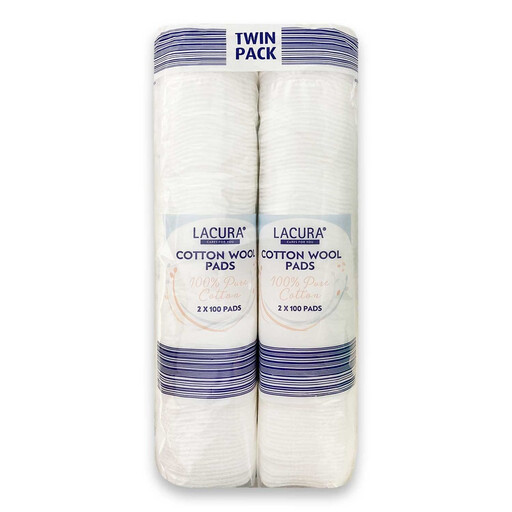
Why This Fits Their Persona: A practical disposable option for daily cleansing, toner application and general household use in a larger 200-pad pack.
The stated 100% cotton construction and focus on absorbency address concerns about pads breaking apart during use.
100% cotton; 200 pads per pack; suitable for cleanser, toner and make-up removal.
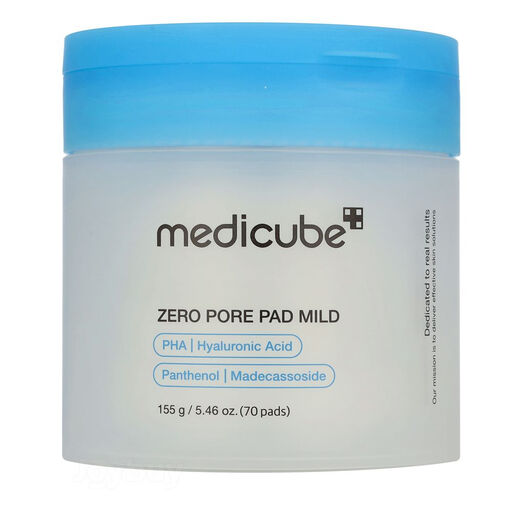
Why This Fits Their Persona: A pre-soaked skincare pad with a dual-textured design for shoppers wanting a structured toner and exfoliation step.
The embossed and smooth sides have distinct stated uses, making the surface design more functional than decorative.
Contains PHA, panthenol and hyaluronic acid; 70 pre-soaked pads; two-sided format.
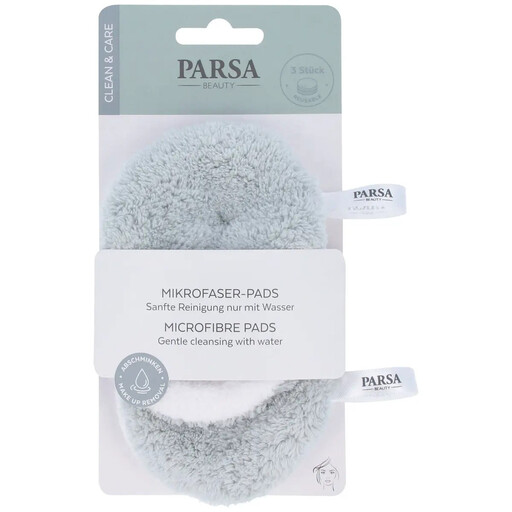
Why This Fits Their Persona: Reusable pads suit shoppers looking to reduce reliance on disposable cotton pads and make-up wipes.
The care method is clearly stated: wash with warm water, wring out and allow the pad to dry before reuse.
Two-sided microfibre design; made with recycled polyester and polyamide; washable.
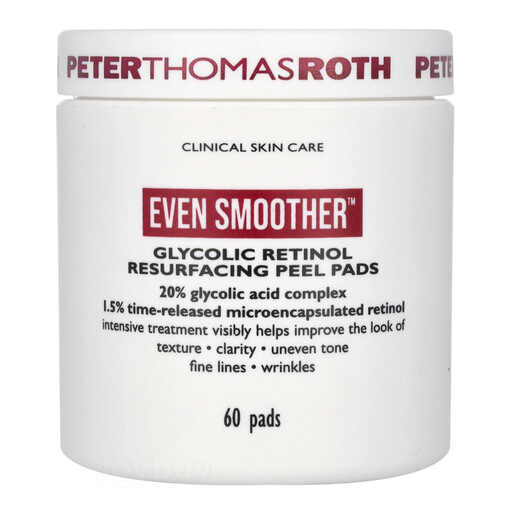
Why This Fits Their Persona: Designed for shoppers specifically seeking glycolic acid peel pads for a night-time resurfacing routine.
The instructions specify starting at one to two uses weekly, rather than assuming daily application suits everyone.
60 pads; contains glycolic acid and retinol; intended for night-time, no-rinse use.
We have compiled a complete, real-time list of products that fully satisfy these strict selection criteria and UK safety regulations.
Use a fresh disposable cotton pad for each area when hygiene is important and place used pads in a household bin. Do not flush cotton pads, as they can contribute to blockages. For reusable pads, wash them according to the care instructions and allow them to dry fully between uses. Keep pre-soaked jars closed to reduce drying and store skincare pads away from direct sunlight where instructed.
Soft, smooth cotton wool pads may be more comfortable for gentle cleansing, but individual tolerance varies. Avoid scrubbing and check the formula when using pre-soaked sensitive skin cleansing pads. Patch testing can help identify potential irritation.
Their lifespan depends on the material, washing routine and frequency of use. Follow the manufacturer’s care instructions, inspect the pad regularly and replace it if the fibres become rough, damaged or difficult to clean.
Yes, but the formula and instructions determine how often they should be used. Exfoliating toner pads containing AHA, BHA, PHA or retinol should not automatically be combined with other active treatments. Use sun protection with acid-based products and stop if irritation develops.