Families planning regular laundry loads
If shirts go into the wash alongside other household laundry, compare the capacity of the programmes you expect to use as well as the space the machine will occupy.


Start with a washing machine whose cottons programme, usable capacity and installation dimensions suit your household. If shirts often need ironing, consider a model-specific crease-management option, but do not treat steam as a no-ironing guarantee. A slim machine may suit a shallow space, while a washer-dryer needs separate checks for its washing and drying capacities.
If shirts go into the wash alongside other household laundry, compare the capacity of the programmes you expect to use as well as the space the machine will occupy.
If cotton shirts need frequent ironing, programme settings, loading and garment-care instructions matter alongside any crease-management feature.
If a shallow kitchen or utility area limits your choice, check the full installation dimensions. A washer-dryer is another option when there is no room for a separate dryer, provided its drying capacity suits your routine.
Check how the machine will handle your usual shirt loads before comparing convenience features. Then measure the installation space and decide whether washing and drying must fit into one appliance.
| Concern | What to check | Who this matters to |
|---|---|---|
| Capacity and programmes | Compare the cottons programme and its load limit with your usual laundry load; check shirt care labels before choosing a setting. | If shirts share a load with other family laundry, I need enough room for them to move rather than relying on the headline drum size alone. Around 42% of consumers put capacity and programme fit first. |
| Shirt care and creasing | Check available cottons settings and exactly which programme, if any, includes a steam or easy-iron option. | When shirts need frequent ironing, I want to know whether the available settings suit their care labels and might make handling them easier. Shirt care is the main concern for around 33% of consumers. |
| Space and laundry routine | Check installation depth and clearances; for a washer-dryer, compare its separate wash and dry capacities. | A shallow space or the need to wash and dry in one appliance shapes what I can use day to day. Space and routine come first for around 25% of consumers. |
A machine’s rated capacity does not mean every programme takes the same load. Packing shirts tightly can also make it harder to give them room to move.
Check the manual’s limit for the programme you intend to use, and load shirts in line with their care labels and the machine instructions.
Wash and dry capacities can differ: Beko lists its BMM5DFO5741 at 7kg for washing and 5kg for drying.
Compare both figures with your usual load. If you fill the wash capacity, plan how you would dry anything above the stated drying limit.
Depth differs substantially between models. AEG states a maximum depth of 660mm for the LFR61144UD, while Beko lists the BM3WT3741 at 49.6cm deep.
Measure the route into the home and the installation area, including room for the door, hoses and connections, against the exact model’s instructions.
Steam, sensing and quick-cycle features differ by model and programme. A feature name alone does not establish how a particular cotton-shirt load will wash or crease.
Confirm when the feature operates, any load restrictions and the relevant programme settings; consider independent testing of the exact model where available.
Relevant when comparing larger freestanding machines with cottons programmes. AEG lists its LFR61144UD as a 10kg model with cottons and Eco 40-60 programmes.
Relevant if automatic dispensing and connected controls interest you. LG lists a cotton programme, steam and these features for its 9kg F4V709WTSA.
Relevant to shoppers comparing a shallow washing machine with a single-appliance wash-and-dry option. Beko lists the BM3WT3741 at 49.6cm deep.
Relevant when looking across freestanding and space-conscious formats. Bosch lists the WAJ28008GB as a 7kg, 1400rpm front-loading machine with a stated product depth of 546mm.
These machines offer different stated capacities for family laundry; compare each model’s cottons settings and installation requirements before choosing one for regular shirt washing. For any model you intend to use for drying, confirm that it has a drying function and check its separate drying limit.
 No image available
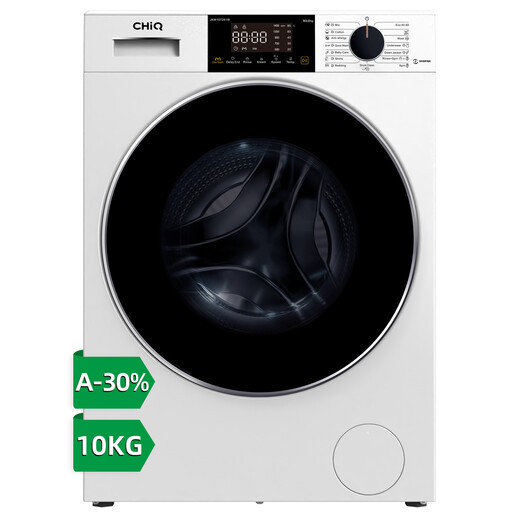
A choice to consider if larger household loads are your starting point; check the cottons programme’s settings and load limit against your shirts’ care labels.
Stated capacity: 10kg. The title also specifies 1400rpm and an inverter motor; confirm the clearance needed for installation.
 No image available
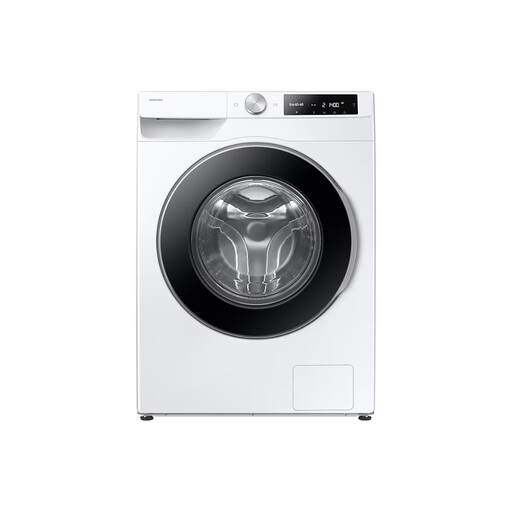
The stated 9kg capacity is relevant if shirts share the wash with other family laundry. Before choosing it specifically for shirts, confirm the cottons programme and its settings.
The title specifies a 1400rpm spin speed; check the installation dimensions for your space.
 No image available
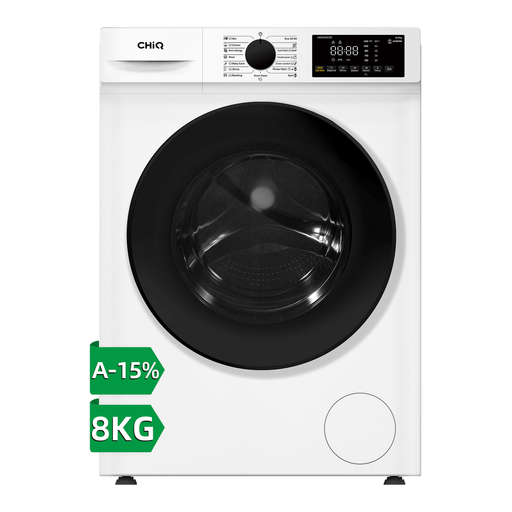
If installation space is tight, compare this model’s dimensions with your available clearance rather than judging fit by wash capacity. Confirm its cottons settings for regular shirt loads.
The title states an 8kg wash capacity and 1400 spin. If you also need drying, confirm the exact model’s functions and separate drying limit before ordering.
 No image available
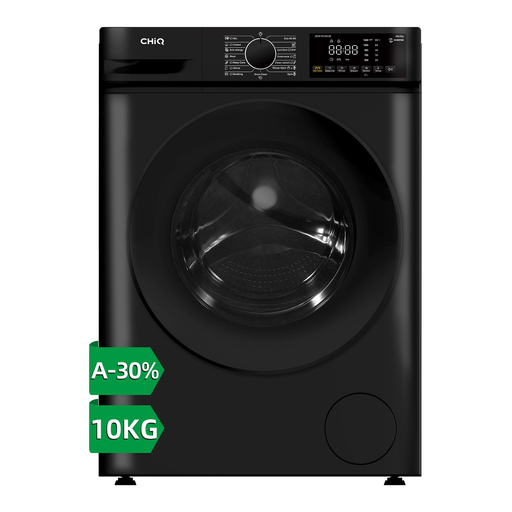
Consider its stated capacity if your household tends to accumulate larger wash loads, while allowing enough room in the drum for shirts to move.
The title specifies 10kg and 1400 spin. Check the cottons programme, its load limit and the clearance required around the machine.
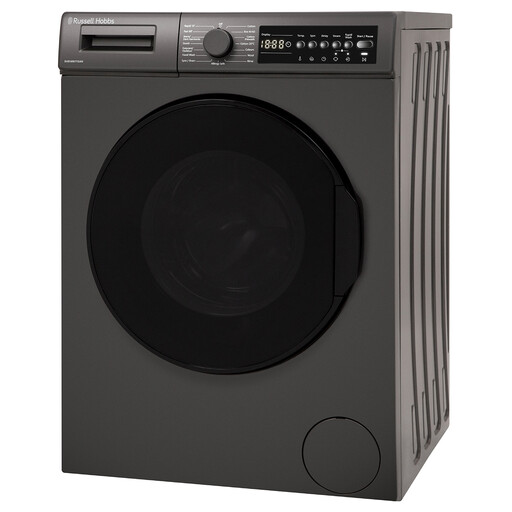 No image available
The stated 9kg capacity is worth comparing with your usual combined family load. If reducing shirt creases matters, check which programme offers the advertised crease-management function and what it does.
The title specifies a 1400rpm spin speed. Confirm cottons settings and installation clearance before ordering.
Start with each shirt’s care label, then choose a compatible machine setting rather than assuming every cotton shirt needs the same cycle. Which? notes that cottons and synthetics programmes can differ in temperature and spin behaviour; check the settings on the exact machine.
A steam feature is not a promise that shirts will need no ironing. AEG and Beko describe crease-reduction functions on relevant models, but what is available depends on the machine and programme; check those details alongside the shirt’s care label.
Compare the energy label and the exact model’s product information alongside capacity and programme duration, rather than choosing by an efficiency class alone. Check which programme the figures describe so that you compare information relevant to the cycles you expect to use.
Ask the seller how it handles an old appliance of the same type before arranging delivery. Confirm whether home collection is offered, when it happens and whether a transport charge applies; do not assume that an in-store take-back arrangement includes collection from your home.
Measure the full installation area and the route into your home, including room for door movement, hoses and connections. Model depth can vary: AEG lists a 660mm maximum depth for the LFR61144UD, while Beko lists the BM3WT3741 at 49.6cm deep. Use the installation instructions for the exact machine you choose.