For one or two cotton skirts at a time, start with a conventional steam iron with adjustable settings rather than choosing a larger steam generator for capacity alone. Check each skirt’s care label before setting the temperature or using steam. If several people will share the iron, tank capacity and storage space matter more; if you live in managed accommodation, check where ironing is permitted before buying.
Who is this for?
Occasional skirt pressers
If you usually press one cotton skirt before a class, placement or event, straightforward controls and storage may matter more than capacity for a full laundry load. Philips’ garment-care guidance recommends choosing a setting that follows the clothing label.
Shared-house batch ironers
If several housemates use the same iron or you press multiple garments in one session, compare tank capacity and maintenance features. The named models from Morphy Richards illustrate larger-tank and anti-calc options, but their specifications are not a cross-brand performance test.
Residents with accommodation rules
If you live in halls or a managed residence, where you may use an iron can decide whether a purchase is practical. The University of St Andrews prohibits irons in study bedrooms; check the rules for your own building rather than assuming they are the same.
What matters when choosing?
Check the skirt’s care label and your accommodation rules first, then choose the controls and capacity that fit a typical ironing session.
| Concern |
What to check |
Who this matters to |
| Pressing cotton creases |
Look for fabric-appropriate temperature and adjustable steam controls. Check the skirt’s care label before use, especially for a blend. |
When a skirt needs a pressed finish, I want to control the heat and add steam only where the label allows it. Around 40% of consumers put crease pressing first. |
| Storage and shared use |
Compare the tank capacity and available dimensions with your storage space; consider maintenance features for repeated steam use. |
If the iron lives in a shared cupboard or serves several garments at once, I need capacity that suits those sessions without taking up unnecessary space. Roughly 30% of consumers prioritise shared-house practicality. |
| Permission and electrical safety |
Ask where ironing is allowed. Check that the intended socket is suitable, avoid overloaded extensions and treat auto shut-off as an extra safeguard. |
Before bringing an iron into managed accommodation, I need to know whether I can use it there and how to do so safely. About 30% of consumers make permission and safety their primary concern. |
Mistakes to avoid
-
Buying before checking where ironing is allowed
An iron may be unsuitable for the room where you planned to use it. The University of St Andrews, for example, prohibits irons in study bedrooms; that rule does not establish a rule for every student property.
Read your accommodation policy or ask the provider whether there is a designated ironing area before choosing a model.
-
Relying on auto shut-off instead of switching off
Auto shut-off is an additional feature, not a reason to leave a connected iron unattended. Electrical Safety First also advises students to pay attention to overloaded sockets and extension leads.
Switch the iron off after use, avoid overloaded sockets and report a damaged plug, cable or socket rather than attempting an electrical repair yourself.
-
Choosing a large tank for a single skirt
A larger tank is relevant when several garments are pressed together, but it does not by itself make an iron more suitable for an occasional one-skirt session.
Match capacity to the number of garments you usually press, and check where a larger iron or steam-generator base would be stored.
Brands to consider for this task
Philips
Philips has conventional and automatic-temperature irons relevant to different ironing routines.
- Philips lists four steam settings for the 2000 Series DST2020/80, giving users a choice of steam setting alongside the garment-care instructions.
- The brand’s OptimalTEMP no-burn wording concerns a named Azur model; it should not be assumed to apply to the 2000 Series or replace checking a skirt’s care label.
Tefal
Tefal’s steam-iron range is worth considering if scale maintenance is part of your selection.
- Tefal advises considering scale maintenance when choosing a steam iron and lists different approaches across its range.
- Check the exact model’s maintenance instructions and features rather than assuming every Tefal iron has the same scale solution.
Morphy Richards
Morphy Richards has conventional steam irons with features relevant to repeated ironing sessions.
- Morphy Richards specifies a 450 ml tank, anti-calc, self-clean and auto shut-off for its Steam Flow model.
- These are specifications for that model, not evidence that a larger-tank iron is necessary for pressing one skirt.
Iron options on Joybuy
These options include conventional steam irons for pressing garments and steam generators to consider if you regularly iron several items. Check your storage space, garment-care instructions and accommodation rules whichever format you choose.
 No image available
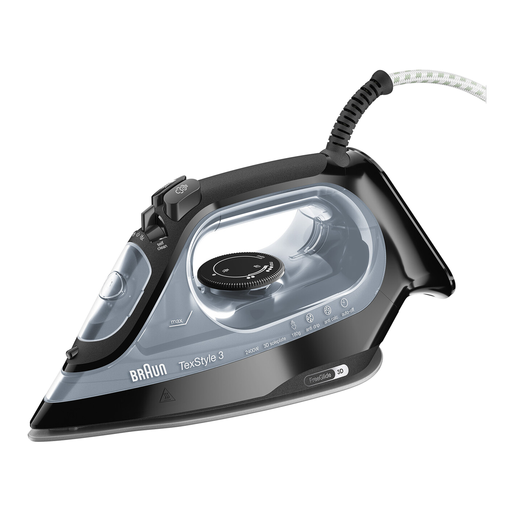
Braun TexStyle 7 Pro SI7160BL steam iron
A conventional iron to consider when you press cotton skirts and sometimes iron several garments. The listed variant is 2600 W and has a FreeGlide 3D EloxalPlus soleplate. Check that your intended ironing space has the suitable grounded outlet specified in its instructions, and follow each skirt’s care label.
View on Joybuy
 No image available
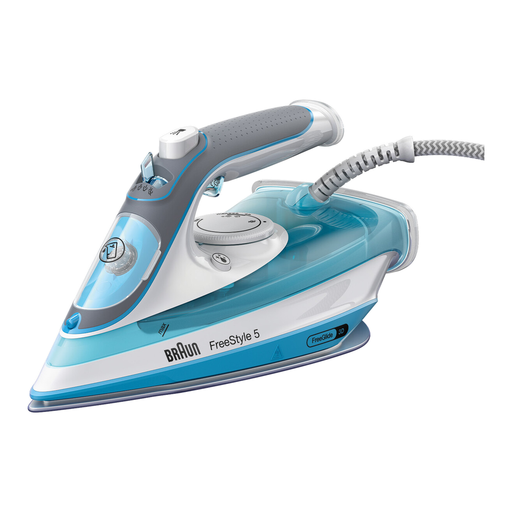
Braun TexStyle 5 SI5008BL steam iron
A conventional steam iron for a skirt-pressing routine that calls for selectable temperature. The listed variant is 2600 W, with a SuperCeramic soleplate and anti-drip feature. Check whether its specified distilled, demineralised or properly softened water requirement is practical in your household.
View on Joybuy
 No image available
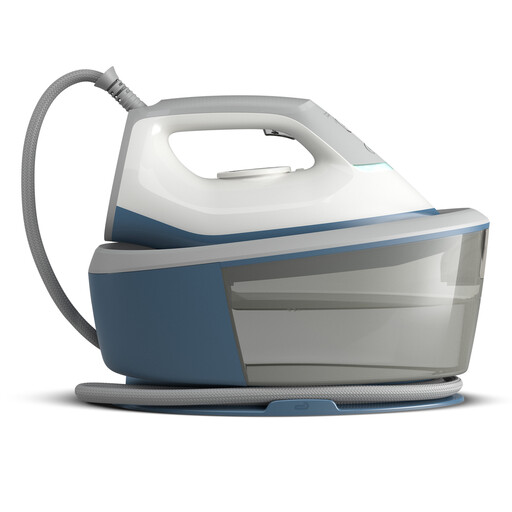
Philips 2000 Series PSG2000/20 steam generator
Consider this steam-generator format for repeated sessions with several garments rather than assuming it is needed for one skirt. The listed model is 2400 W. Check the base station’s dimensions against your storage space, use its heat-resistant base as instructed and do not leave the connected iron unattended.
View on Joybuy
 No image available
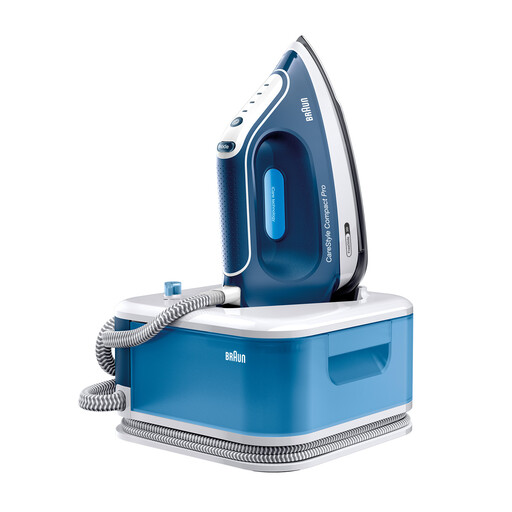
Braun CareStyle Compact Pro IS2565BL steam generator
This steam generator is an option to assess for longer, shared ironing sessions. The listed variant has a 1.5 L tank, 7.5 bar pressure and iCare technology. Check that its base will fit your storage space, and follow its water and cooling instructions before refilling or putting it away.
View on Joybuy
Common questions
What setting should I use for a cotton skirt?
Use the setting appropriate to that skirt’s care label, rather than assuming every cotton skirt or cotton blend takes the same heat. Philips’ garment-care guidance likewise advises checking the label and choosing the setting for the garment; use additional steam only where the label permits it.
Can a garment steamer replace an iron for a cotton skirt?
Choose a steam iron if your aim is a flatter, pressed finish or you need to work on stubborn creases. A steamer can be considered for a quick refresh, while Philips’ guidance describes using an iron and ironing board for heavier creases.
Can I leave an iron unattended if it has auto shut-off?
No. Auto shut-off is an additional safeguard, not a substitute for switching off the iron after use. Devon and Somerset Fire and Rescue Service advises switching electrical equipment off when it is not in use.
Can I ask about electrical safety in a rented student house in England?
Yes. For tenancies covered by England’s electrical-safety regulations, Ministry of Housing, Communities & Local Government guidance says landlords must arrange inspection and testing of the property’s electrical installation by a qualified person at least every five years and provide tenants with a copy of the report. The guidance excludes student halls of residence from those tenancy rules; hall residents should ask their accommodation provider about its safety process.


