Stain-conscious hosts
If tablecloths regularly pick up marks after meals or gatherings, the cloth's care label and the exact stain-programme conditions matter more than capacity alone.


Choose a washing machine with a Cottons programme and enough capacity for the tablecloth loads you actually wash, while checking that the appliance fits your space. Eco 40–60 suits normally soiled cotton labelled washable at 40°C or 60°C; for a care-label temperature choice or frequent meal stains, check the exact model's cotton settings and stain-treatment options instead. A fast cycle is useful only if its permitted load and fabrics suit your tablecloths.
If tablecloths regularly pick up marks after meals or gatherings, the cloth's care label and the exact stain-programme conditions matter more than capacity alone.
If you wash several tablecloths together or add other household cottons, compare the rated capacity with your usual load and measure the space available for the machine.
For normally soiled cotton labelled washable at 40°C or 60°C, Eco 40–60 information is particularly relevant. Miele describes that programme as intended for cottons meeting those conditions.
Start with each tablecloth's care label and your usual load, then decide whether stain handling, routine efficiency or a shorter suitable cycle matters most.
| Concern | What to check | Who this matters to |
|---|---|---|
| Cotton care and temperature | Check for a Cottons programme and selectable temperatures that suit the care label. Miele says Eco 40–60 is for normally soiled cotton declared washable at 40°C or 60°C. | When a coloured or trimmed tablecloth needs careful washing, I want to follow its label rather than rely on one default cycle. Roughly 36% of consumers would make cotton-care flexibility their primary concern. |
| Food stains | Check which stains and fabrics the exact model's treatment programme covers, and choose detergent to suit the cloth. Which? notes that biological detergents contain enzymes that break down protein-based stains. | After meals with frequent spills, I need a way to tackle marks without assuming every treatment suits every cloth. Around 29% of consumers would put stain handling first. |
| Load size and routine use | Compare capacity and appliance depth with your load and installation space; compare the product information sheet's Eco 40–60 figures for the machines you are considering. | If I wash several tablecloths with other cottons, I need enough drum room without choosing a machine that will not fit. About 21% of consumers would prioritise load size and routine efficiency. |
| Fast turnaround | Check a short programme's permitted load, fabrics and temperature rather than assuming it accepts a full cotton load. AEG lists a 45-minute full-sized-load programme for its LFED61944B. | When cloths are needed again soon after a gathering, I need a suitable wash that finishes in time. Approximately 14% of consumers would put turnaround first. |
Miele explains that this programme adjusts its temperature and is intended for normally soiled cotton declared washable at 40°C or 60°C. It does not replace selecting a particular temperature when the tablecloth's care label calls for one.
Use the Cottons programme at a care-label-permitted temperature when a selected temperature is the more appropriate choice.
Stain options have model-specific conditions, and detergent choice also affects how you approach different marks and cloth colours. Bosch describes Anti Stain for four common stains on the WGG244ARGB, not for every stain or fabric finish.
Read the exact model's programme instructions and match the detergent to the stain, colour and care label.
A higher kilogram rating does not tell you how much space a washing machine needs once its door and connections are taken into account.
Measure the installation area and consult the exact model's dimensions and clearance instructions before ordering.
Water Regulations UK distinguishes the backflow considerations for domestic and non-domestic appliance use. A machine intended for a venue or shared facility needs an installation assessment suited to that setting.
Ask the local water undertaker or a competent installer what backflow protection and notification apply before choosing the machine.
Additional backflow protection may involve extra installation work.
The 9 kg WGG244ARGB is a model to examine if stain-treatment and load-adjustment features matter to you.
The 10 kg BM3WT31041 is relevant when larger household cotton loads are a regular task.
The LFED61944B is relevant if you want to compare a documented fast full-sized-load programme with its cotton and Eco 40–60 options.
Miele's W1 range includes 8 kg, 9 kg and 10 kg options for different household load sizes.
These machines are relevant if you regularly wash several cotton tablecloths or combine them with other household cottons. Check each model's programme manual against your cloths' care labels before choosing.
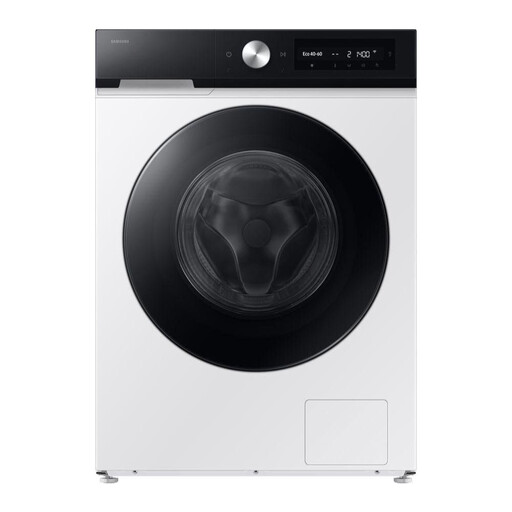 No image available
For several tablecloths or a larger household cotton load, assess this machine's Cotton programme against the cloths' care labels.
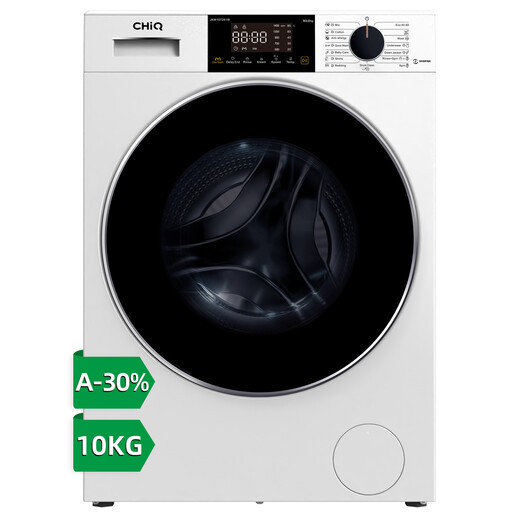 No image available
For households washing several tablecloths, compare its Cotton programme with your usual load and fabric-care requirements.
Use Eco 40–60 for normally soiled cotton tablecloths labelled washable at 40°C or 60°C. Miele says the programme can wash eligible cottons together; when you need to select a particular temperature, use a suitable Cottons setting within the cloth's care-label limits.
Only if the particular tablecloth's care label permits 60°C. Miele advises following the label and using colour detergent for coloured cotton because of fading risk.
Choose capacity according to the largest load you regularly wash, then check whether the machine fits. Bosch lists its WGG244ARGB at 9 kg and 590 mm deep, while Beko lists its BM3WT31041 at 10 kg and 580 mm deep; neither capacity figure means every fabric load should fill the drum to its rated maximum.
Compare the energy label and product information sheet for the exact washing machines you are considering, paying attention to the stated programme basis. GOV.UK says products within the applicable energy-labelling rules must display an accurate label at the point of sale; energy-labelling arrangements differ between Great Britain and Northern Ireland, so check the applicable information when buying for Northern Ireland.
A non-domestic installation may need a different backflow assessment from a household installation. Water Regulations UK distinguishes those settings; ask the local water undertaker or a competent installer about the protection and notification required for the intended premises before purchase.