
24/7 Customer Support

Free returns

Same-day & Next-day Delivery

Quality Guaranteed

Unlock Your Welcome Offers: FREE Delivery | Up to 80% OFF | Free 30-day JoyPlus trial
Download the APP
A good tea towel is an unsung hero of the British kitchen. It dries dishes, mops up spills and can even add a splash of colour to your décor. Yet, finding one that performs well and lasts is often a frustrating exercise. Many of us have bought beautiful-looking kitchen towels only to find they are more decorative than functional.
As the Joybuy Product Recommendation Officer, my role is to help you navigate these common shopping frustrations. Before you spend another pound on a disappointing set of drying up cloths, let's look at the frequent pitfalls and how to sidestep them.
To avoid these issues, it pays to understand a few core features. Focusing on these will ensure you get a product that is both a workhorse and a welcome addition to your kitchen.
When it comes to absorbent dish towels, material is paramount. While linen blends have their place, 100% cotton tea towels offer a reliable combination of softness, durability and absorbency. Cotton fibres naturally soak up water, and a quality cotton fabric will only get softer and more absorbent with each wash. Avoid synthetic blends like polyester, which tend to push water around rather than absorb it.
Not all cotton is created equal. The weave and weight of the fabric are crucial for performance.
For designer tea towels, the quality of the print is as important as the fabric. Look for products from reputable brands known for their textiles, like Dexam tea towels, as they are more likely to use colour-fast dyes that can withstand regular washing. Always check the care label. A tea towel that can be washed at 30-40°C without special instructions is generally a sign of a durable, well-made product. A hanging loop is also a small but essential feature for convenient storage and drying.
Based on these practical criteria, here are a few recommendations matched to different needs and styles.
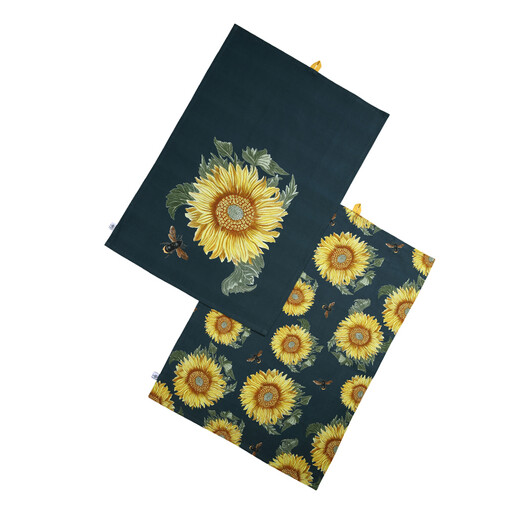
Why This Fits Their Persona: For those who view kitchen textiles as an integral part of their home décor. This set brings an artistic, botanical touch, turning a functional item into a style statement. The design is sourced from the Royal Horticultural Society archives, adding a unique story.
It directly counters the "one-wash wonder" pitfall. The high-quality printing on 100% cotton ensures the vibrant sunflower design remains bright and resists fading, even with regular machine washing.
Features a unique, beautiful print with a heritage story. Comes as a coordinated tea towel set of two, perfect for a cohesive look.
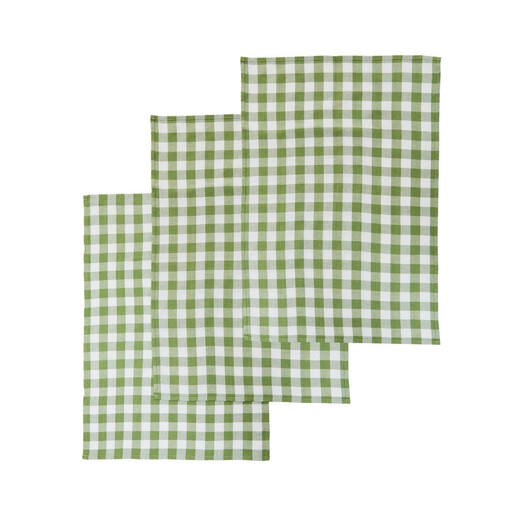
Why This Fits Their Persona: For the keen home cook who needs a reliable workhorse. This is for someone who values function over intricate design and needs a set of durable, highly absorbent towels for everyday kitchen tasks.
This set tackles the "absorbent myth." Made from pure cotton fabric described as "super soft and highly absorbent," it is designed for performance, ensuring it dries effectively rather than smearing water.
Comes in a practical set of three, offering good value. The fine hemming adds durability for frequent washing, addressing the flimsy fabric flaw.
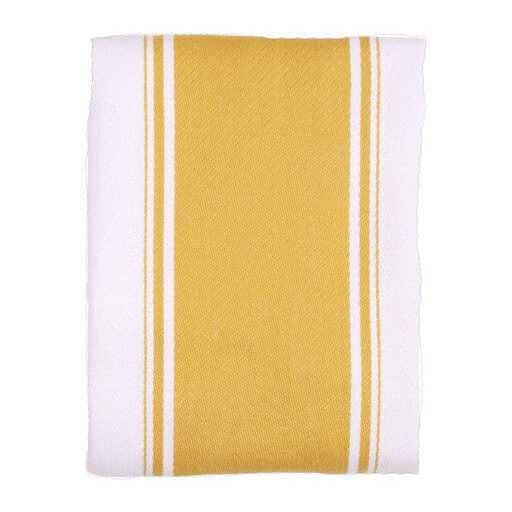
Why This Fits Their Persona: Ideal for the homeowner who wants their kitchen accessories to perfectly match a specific colour palette. This range offers a simple, classic design in a huge variety of modern and traditional shades.
This towel is crafted from high-quality, durable cotton that holds its colour well and has a substantial feel, steering clear of the flimsy, quick-to-fade trap of cheaper, mass-produced alternatives.
Its main strength is variety. The Love Colour range includes Ochre, Slate Grey, Ink Blue, Scarlet Red and more, making it easy to find the perfect shade for your kitchen.
We have compiled a complete, real-time list of products that fully satisfy these strict selection criteria and UK safety regulations.
Most new tea towels have a coating from the manufacturing process. To remove this and maximise absorbency, it is always a good idea to wash them before their first use. A standard wash cycle with a small amount of detergent is usually sufficient. Avoid using fabric softener, as it can coat the cotton fibres and reduce their ability to absorb water.
The terms are often used interchangeably, but they traditionally have different roles. A tea towel or drying up cloth is typically larger, made from cotton or linen, and is used for drying clean dishes, glassware and hands. A dish cloth is smaller, often more abrasive, and is used with washing-up liquid and water for scrubbing dirty dishes and wiping down surfaces.
For hygiene reasons, it is advisable to change your kitchen towels frequently. If you are a keen cook and use them heavily throughout the day, a daily change is a good practice. For lighter use, washing them every two to three days can be sufficient. Always hang them to dry completely between uses to discourage bacteria growth.