Regular picnic batch bakers
If you often make apple slices, tarts or other tray bakes, consistent browning and enough usable shelf space may matter more to you than a small appliance footprint.


Choose a countertop convection oven if you want to bake picnic batches without replacing kitchen cabinetry; consider a built-in fan oven if you have a compatible housing space and expect to bake repeatedly or use several shelves. For either route, check how well the oven distributes heat, whether your tray fits, and whether its dimensions, electrical requirements and temperature settings suit your kitchen and recipe.
If you often make apple slices, tarts or other tray bakes, consistent browning and enough usable shelf space may matter more to you than a small appliance footprint.
A worktop oven lets you add a Bake function without replacing cabinetry. A larger countertop model may accommodate two-level cooking, but measure the space it will occupy.
A compact oven may suit a modest apple-slice batch if your dish fits and you accept that preparing several trays could take multiple rounds.
Start with where the oven will go and how much you need to bake at once; then check tray fit and baking controls for the recipe you plan to use.
Consider it: If you want a dedicated baking appliance without changing your cabinets.
Trade-off: A larger model can occupy considerable worktop space, even when it offers more than one cooking level.
Consider it: If you have a suitable housing space and want a permanent oven for repeated baking or multi-shelf cooking.
Trade-off: The exact cabinet opening and electrical installation must suit the model you choose.
Consider it: If you bake small picnic batches occasionally and can work with a smaller dish.
Trade-off: Limited cavity and tray space can mean baking larger batches in separate rounds.
| Concern | What to check | Who this matters to |
|---|---|---|
| Even browning | Check for a fan setting and, where available, independent evidence of heat distribution rather than relying on a feature name alone. | If apple slices or pastry need to brown consistently across a tray, uneven heat is my main worry. Around 33% of consumers put dependable browning first. |
| Worktop flexibility | Measure available width, depth and overhead clearance; check the supplied racks, Bake mode and electrical instructions. | I want to bake without replacing cabinets, but the appliance still has to fit my worktop. Avoiding installation comes first for around 27% of consumers. |
| Permanent kitchen fit | Compare the exact installation drawing with your cabinet aperture, ventilation space and electrical arrangement. | When I bake often, I want a permanent oven that fits the kitchen and accommodates the batches I make. Around 20% of consumers prioritise this built-in route. |
| Compact batches | Compare your dish or tray with the usable cavity space, rack positions and temperature range. | I only make a small picnic bake occasionally, so I would rather accept less tray space than choose a larger appliance. Compact occasional use is the main concern for around 20% of consumers. |
A cavity volume does not tell you whether your baking sheet fits. De'Longhi lists a 12-litre cavity and a maximum 26cm round plate for the EO12012, which may restrict the size of an apple bake.
Measure the tray, tin or dish you intend to use and compare it with the model's internal dimensions and rack information.
The product information describes many standard single built-in ovens as designed for a 60cm × 60cm unit, but the required opening and clearances depend on the particular model.
Check the installation drawing against your cabinet aperture, available depth, electrical position and ventilation requirements before ordering.
Electrical Safety First warns that ovens and grills can draw substantial power and that an extension lead shared with other large appliances can present a fire risk.
Follow the model's socket or installation instructions, check plugs and sockets for damage, and seek qualified advice if the electrical arrangement is uncertain.
Claims made for Ninja and Hotpoint models depend on their stated comparison foods or conditions; they do not establish how your apple slices will bake.
Choose by the space available, usable tray capacity, baking controls and relevant evidence about heat distribution instead.
The DT200UK is a freestanding option for a kitchen that needs a worktop oven rather than an appliance installed in cabinetry.
The HHF113BR0B is relevant when replacing a built-in oven for regular fan-assisted baking.
The HOI98PT2SBUK is a built-in fan-oven option for households considering multi-level cooking.
The EO12012 is a compact countertop option when occasional, small bakes matter more than multi-tray capacity.
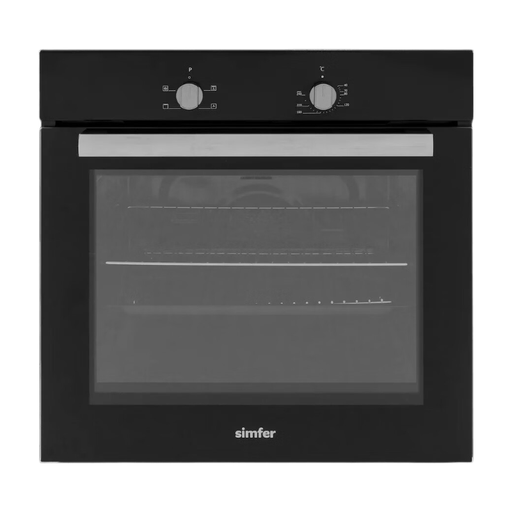
These built-in electric ovens are options to consider if you have suitable kitchen housing and want a permanent appliance for picnic baking. Compare each model's tray fit, controls and installation instructions with your plans; this selection does not cover the countertop route.
 No image available
Consider this for a permanent kitchen setup if its installation requirements suit your space. Check that your intended tray fits and that its baking settings suit your recipe.
 No image available
Consider this if you want a built-in fan oven for baking. Confirm which measurements apply to the appliance and cabinet opening, as well as the electrical requirements and usable tray space.
 No image available
Consider this for a built-in kitchen where a fan-assisted baking option matters. The stated 65L cavity capacity does not establish whether your tray fits; check its usable dimensions, temperature settings and installation instructions.
Use the setting specified by your recipe, since plain slices and pastry bakes need not share one temperature. For instance, Good Food's flat apple and vanilla tart recipe specifies 220°C conventional or 200°C fan; that setting applies to that recipe, not every apple bake.
No; a fan setting is worth considering, but results still depend on the particular oven's heat distribution. Which? identifies even heat as important for baking, so look for model-specific test evidence where available rather than treating the feature name as a guarantee.
Measure your cabinet opening and compare it with the exact model's installation drawing, including depth and required clearances. The product information notes that many standard single built-in ovens are designed for 60cm × 60cm units, but that nominal size does not settle whether a particular oven fits.
Follow the oven's electrical instructions rather than assuming an extension lead is suitable. Electrical Safety First warns that using an extension lead with other large appliances can overload it; ask a qualified electrician if the socket or circuit arrangement is uncertain.
Installation needs differ between a freestanding plug-in oven and a built-in replacement. Electrical Safety First advises qualified help for oven fitting and notes that some ovens need hardwiring or a dedicated circuit, so check the exact model's instructions before arranging installation.