Weekday lunchbox batch-preppers
If you usually prepare one tray for the next day, focus on a fan cooking mode, room to spread the slices and a tray you can clean after roasting. Plan time to cool the cooked food before refrigerating it.


Choose a countertop fan oven for a small tray of aubergine slices if you have a stable, heat-resistant worktop with the clearance its manual requires. A built-in single fan oven makes more sense if you have suitable housing and regularly cook larger batches; consider a double oven when you also need to cook another dish separately. Whichever format you choose, check that a tray holds your slices in one layer and that the oven offers the temperature control your recipe needs.
If you usually prepare one tray for the next day, focus on a fan cooking mode, room to spread the slices and a tray you can clean after roasting. Plan time to cool the cooked food before refrigerating it.
A countertop oven avoids a built-in installation, but it still needs a stable, heat-resistant position and the ventilation clearance specified for that model.
If lunchbox vegetables regularly share oven time with another dish, a built-in oven with more usable tray space or separate cavities may be worth considering. Check that your kitchen can accommodate the chosen format.
Consider it when: You usually bake one modest tray and do not have a suitable built-in oven space.
Allow for: Worktop space, hot external surfaces and the model's required ventilation clearance.
Consider it when: You have compatible kitchen housing and regularly use an oven for tray cooking.
Allow for: Cabinet-fit and model-specific electrical installation requirements.
Consider it when: You need separate cavities for aubergine and another dish at the same time.
Allow for: A larger built-in installation that offers little benefit for a single small tray.
| Concern | What to check | Who this matters to |
|---|---|---|
| Tray baking | Check for a fan cooking mode and a usable tray that holds your intended slices in one layer. Confirm the temperature range against your recipe. | If I prepare aubergine for tomorrow's lunch, I want room to spread the slices rather than crowding them; around 40% of consumers put tray-baking results first. |
| Space and setup | Measure the appliance, its required clearance and the available worktop or cabinet space. Check the model's connection instructions. | With limited kitchen space, I need to know where the oven can sit or fit safely; around 30% of consumers put space and setup first. |
| Batch size and cleanup | Compare usable shelf space and cavity count with the dishes you actually cook. Identify the cleaning system and its care requirements. | When I cook several portions alongside another meal, separate cooking space matters more to me than a compact footprint; roughly 30% of consumers prioritise batch capacity and cooking another dish. |
Cavity volume does not tell you whether your tray fits or whether slices can be spread out in one layer.
Measure the tray you expect to use, then check usable tray dimensions, shelf positions and supplied accessories. Choose separate cavities only if you will use them.
A countertop oven needs safe placement and unobstructed ventilation. Electrical Safety First also warns that overloaded extension equipment can overheat.
Follow the model's clearance instructions, use a stable heat-resistant surface and check the rating of any extension equipment rather than overloading or daisy-chaining it.
Steam-assisted cleaning can loosen residue, while catalytic liners help with grease; neither means that every surface cleans itself.
Check the exact cleaning system and its care instructions before deciding how much wiping you are prepared to do.
Oven choice does not replace cooling and chilled storage for a next-day lunchbox.
For children's food, the NHS advises cooling food as quickly as possible, ideally within 1 to 2 hours, before refrigerating it. East Lancashire Hospitals NHS Trust recommends a cool bag and ice pack for a packed lunch that needs to stay cool.
Its 22780 Mini Kitchen illustrates a countertop format for cooks considering a small-batch oven instead of built-in installation.
Its BBIF22100 is an example of a built-in single fan oven for a kitchen with suitable housing.
Its DUB331110M illustrates a built-under double oven for households that need separate cooking spaces.
These built-in ovens are options to consider if your kitchen can accommodate that format. For lunchbox aubergine, compare their cooking modes with your usual tray size, and check installation requirements before choosing; a double oven is most relevant if you also need a separate cavity.
 No image available
Consider this built-in single oven if your kitchen has suitable housing for regular tray cooking. Check that a compatible tray fits your aubergine slices in one layer, that the temperature range suits your recipe and that the installation instructions match your kitchen.
 No image available
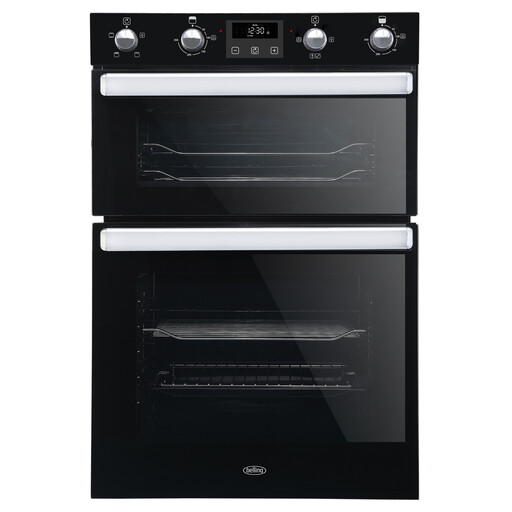
The double-oven format is worth considering if you regularly prepare aubergine alongside another dish; it takes more built-in space than a single oven. Check which cavity offers the cooking mode you need, whether a suitable tray fits, and the housing and electrical requirements.
 No image available
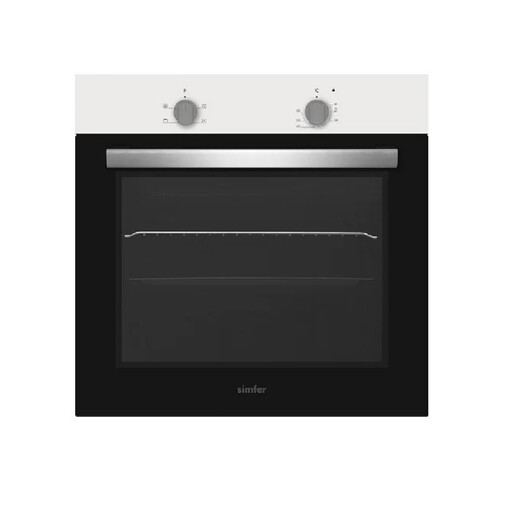
This gas fan oven is a built-in option only where the kitchen and gas supply suit the model. Its stated capacity is 70 L, but check usable tray dimensions and temperature control separately; confirm the gas type and installation requirements with the product instructions and a suitably qualified installer.
 No image available
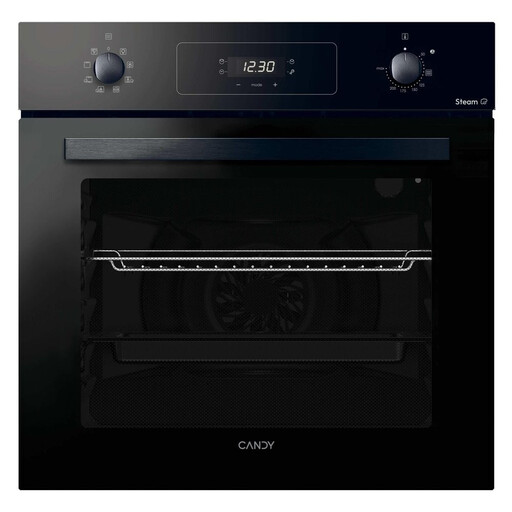
Consider this built-in single oven for regular tray cooking where a compatible cabinet and electrical connection are available. Its stated capacity is 65 L; check the cooking mode, temperature range and usable tray dimensions against your aubergine recipe and slice layout.
 No image available
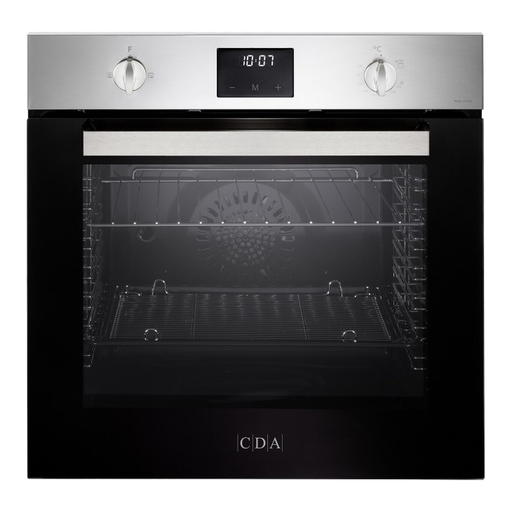
This built-in single oven is an option if your kitchen has compatible housing for tray cooking. Check the model's cooking modes and temperature range, whether a suitable tray holds your slices in one layer, and its cabinet and electrical installation requirements.
Look for a fan cooking mode, a tray that holds your intended slices in one layer and temperature control suited to your recipe. Ottolenghi's roasted aubergine recipe uses 220°C fan heat, but its setting is recipe guidance, not a measure of how every oven will cook.
No; its position must meet the specific model's placement and clearance instructions. Russell Hobbs requires a stable, level, heat-resistant surface and at least 50 mm of space around its 22780 Mini Kitchen, and warns that the appliance surfaces become hot.
Not as a direct countertop swap: a built-in oven must fit its intended housing and follow its own connection instructions. Beko's built-in oven manual calls for grounding installation by a qualified electrician; check the instructions for the particular oven you plan to buy.
Cool the cooked food promptly and refrigerate it before packing. For children's food, the NHS advises cooling it as quickly as possible, ideally within 1 to 2 hours; East Lancashire Hospitals NHS Trust recommends a cool bag and ice pack to keep a packed lunch cool when needed.
No. Steam-assisted systems loosen residue and catalytic liners help with grease, but neither means the whole cavity is maintenance-free. Check the chosen model's cleaning method and care instructions.