Pastry bakers short on worktop space
If you cannot fit an integrated oven, a countertop model is worth considering for small batches. Check its footprint, placement clearances and tray size against the space you can spare.


Choose a fan-assisted countertop oven if you need to avoid cabinet installation and have suitable worktop space; consider a built-in oven if you have compatible housing and want to keep the worktop clear. For either route, check the baking mode, temperature control and usable pastry-tray dimensions rather than relying on capacity alone.
If you cannot fit an integrated oven, a countertop model is worth considering for small batches. Check its footprint, placement clearances and tray size against the space you can spare.
If you are fitting cabinetry, a compact built-in oven may keep the worktop free. Measure the intended housing against the exact model's installation requirements; the compact label alone does not establish fit.
A multifunction countertop oven may suit you if grilling, steaming or air frying will be regular tasks too. Consider the space it occupies and the upkeep its additional functions require.
For spinach pastries in a small kitchen, settle the worktop-or-cabinet question before weighing baking controls against extra cooking functions.
| Concern | What to check | Who this matters to |
|---|---|---|
| Fit and installation | Measure the worktop or cabinet housing, then check door clearance and the exact model's placement or installation instructions. | If space is tight, I need to know where the oven can go before comparing its functions. Around 42% of consumers put fit and installation first. |
| Pastry baking and tray fit | Check the usable rack or tray dimensions, baking mode and adjustable temperature control. | For my usual batch of spinach pastries, I want controllable oven heat and a tray that actually fits. Pastry-baking needs come first for around 33% of consumers. |
| Extra functions and upkeep | Identify functions you will use regularly and check cleaning requirements, particularly for steam-enabled models. | If one appliance will also handle other cooking tasks, I need those functions to justify the space and maintenance. Around 25% of consumers prioritise multifunction use. |
A compact built-in oven can still need substantial width and depth. Beko lists the BBCW18411 at 59.5 × 59.4 × 56.7 cm (height × width × depth), so its category name cannot establish whether it fits your cabinet.
Compare the exact model's external dimensions and installation instructions with your measured housing. For a countertop oven, check its footprint and required placement clearances instead.
A mismatch could mean altering the planned cabinet layout or choosing another appliance.
Cavity capacity does not tell you the usable rack width, shelf positions or whether your pastry tray will pass through the door.
Check internal tray and rack dimensions, supplied accessories and door clearance for the exact model before ordering.
Smeg lists baking and convection alongside steam and air-fry functions for its COF01. Those extra modes do not replace the need to check the baking mode and tray fit for spinach pastries.
Start with the cooking tasks you perform regularly. If considering a steam-enabled model, check how its water tank is cleaned and descaled.
Its 22780 Mini Kitchen illustrates the plug-in countertop route when built-in installation is not planned.
Its COF01 countertop oven is relevant if pastry baking is one of several regular cooking tasks.
Its BBCW18411 represents an integrated oven-and-microwave route for a kitchen with compatible housing.
Its CSG7361B1 illustrates a built-in compact oven with steam functions.
These built-in ovens are options to examine if you have suitable cabinet space and want to leave the worktop clear. Check housing requirements and pastry-tray fit for each model; this selection does not cover the countertop route.
 No image available
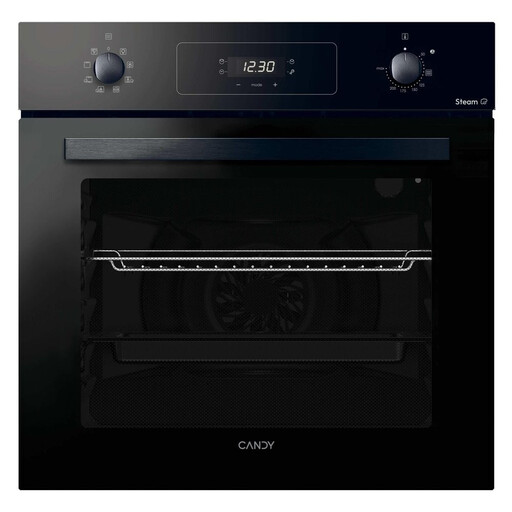
Consider this model if you have built-in housing and want to keep the worktop free. Its stated capacity is 65 L; check usable tray dimensions for your pastry batch and confirm the electrical connection requirements before installation.
 No image available
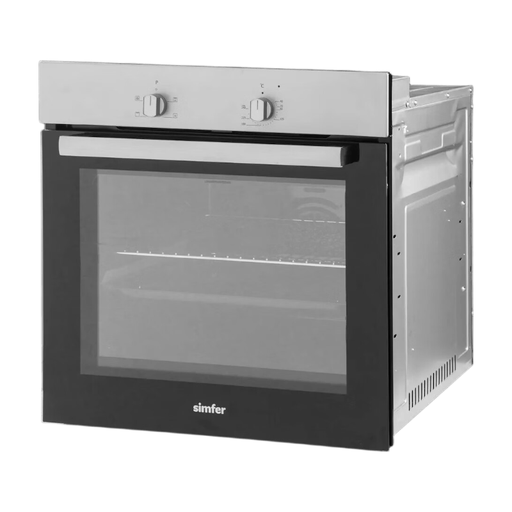
This built-in model may suit a kitchen with compatible housing where preserving worktop space matters. If you plan to bake pastries on more than one level, check its 3D Hotair instructions, usable tray dimensions and installation requirements.
 No image available
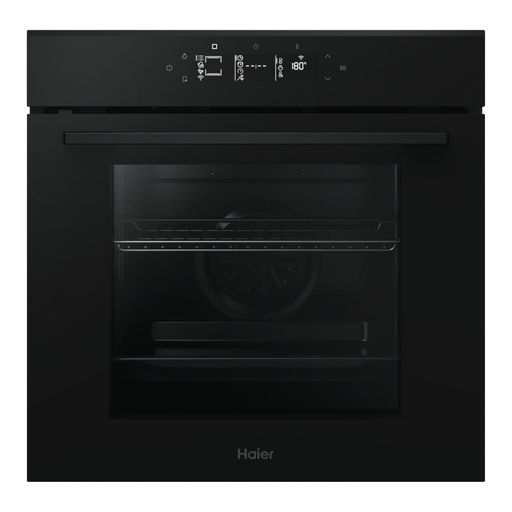
Consider this built-in fan oven if you want the worktop free and have a suitable cabinet. Confirm its housing requirements and the usable dimensions of your pastry tray rather than relying on a cabinet-size description alone.
 No image available
This built-in model may suit a kitchen with compatible housing where you intend to use conventional baking. Before choosing it for pastries, confirm which temperature range applies, whether fan cooking is available and whether your tray fits.
Choose a fan-assisted countertop oven if you need to avoid cabinet installation and have a suitable place for it; choose a built-in oven if you have compatible housing and want to keep the worktop clear. In either case, check the baking mode, temperature control and usable tray size.
Measure the available space and compare it with the exact oven's installation instructions. For a countertop model, include worktop footprint, door opening and placement clearances; for a built-in model, check the cabinet housing and installation requirements. Measure your pastry tray too.
Traditional baking or convection is the more direct function to check for spinach pastries. Steam and air-fry modes may be useful for other tasks you perform regularly, but a steam-enabled oven can also require water-tank care and descaling.
For an electrical oven intended for the Great Britain market, check its marking and manufacturer information against current guidance for that product. GOV.UK addresses UKCA and CE marking for Great Britain, and the Office for Product Safety and Standards describes the Electrical Equipment (Safety) Regulations 2016. Northern Ireland has separate arrangements, so check the requirements applicable there rather than relying on Great Britain guidance.