Space-limited cottage bakers
A countertop oven is worth considering if you want to bake occasionally without replacing the kitchen. Check that the worktop accommodates the appliance, its required clearances and your preferred shortbread tin or tray.


Choose a plug-in countertop oven if the cottage needs occasional baking without a kitchen refit and has a suitable worktop location. A larger countertop oven makes sense if you need more cooking space and can accommodate its footprint; choose a built-in oven only where the housing and electrical installation are suitable. For shortbread, check your recipe’s temperature, the fit of your tin or tray, and the space around the appliance before comparing extra cooking functions.
A countertop oven is worth considering if you want to bake occasionally without replacing the kitchen. Check that the worktop accommodates the appliance, its required clearances and your preferred shortbread tin or tray.
If shortbread is only part of the cooking you do for guests, consider whether two cooking levels or separate oven cavities would be useful. Balance that space against the appliance’s worktop footprint or installation requirements.
A built-in oven may suit a planned kitchen installation, provided the cabinet and electrical connection are appropriate. Owners letting self-catering accommodation in England should also follow the applicable electrical-safety guidance identified by GOV.UK.
Consider it when: You want a plug-in appliance for a small cottage kitchen rather than a permanent installation.
Trade-off: It occupies preparation space, and a compact cavity limits the size of tin or tray you can use.
Consider it when: You have a worktop position for a larger appliance and want to cook on more than one level.
Trade-off: Ninja lists the DT200UK at H33.5 × W43.5 × D50.5 cm and 20.7 kg, so placement and handling need particular attention.
Consider it when: The cottage has compatible appliance housing or a planned kitchen refit.
Trade-off: Installation is a separate commitment: Bosch specifies a fixed electrical connection by an electrician for its MBA533BB3B double oven.
| Concern | What to check | Who this matters to |
|---|---|---|
| Kitchen fit and setup | Measure the appliance position, door-opening space and intended tin or tray; check the model’s placement or installation instructions. | I need an oven that fits the cottage without giving up more preparation space or arranging a refit than necessary. Around 40% of consumers put kitchen fit and setup first. |
| Baking control and capacity | Check that the oven’s temperature range covers your recipe and that your tin or tray fits in the usable cavity. | When baking a batch for guests, I want room for the shortbread and a setting that matches my recipe. Baking control and capacity come first for around 40% of consumers. |
| Guest use and upkeep | For a holiday let, check the applicable property-safety guidance, appliance instructions and cleaning requirements. | If guests will use the oven, I need to manage safe use and routine upkeep as well as baking. Around 20% of consumers prioritise these responsibilities. |
Capacity alone does not tell you how much worktop the appliance occupies. Ninja lists its DT200UK at H33.5 × W43.5 × D50.5 cm and 20.7 kg; usable tray dimensions and placement clearances need checking separately.
Measure the intended position, door-opening space and your baking tin or sheet, then check the model’s instructions before ordering.
Recipes from Tesco Recipes, Lakeland and The Great British Bake Off specify different fan-oven settings: 150°C, 160°C and 180°C respectively. The appropriate setting depends on the recipe you follow.
Check that the oven offers your chosen recipe’s setting, then follow that recipe’s timing and stated signs that the shortbread is done.
Bosch specifies no plug and a fixed electrical connection by an electrician for the MBA533BB3B. A suitable cabinet and electrical installation are therefore part of this model’s purchase decision.
Confirm the housing dimensions, electrical requirements and installer’s scope before choosing a built-in model.
Fitting the oven may also require electrical or kitchen work beyond placing a countertop appliance.
The 22780 Mini Kitchen illustrates the compact countertop route for a second home or constrained kitchen.
The DT200UK illustrates a larger countertop route for a cottage with room for a more substantial worktop appliance.
The MBA533BB3B illustrates a built-in double-oven route where the cottage has suitable housing.
These built-in ovens are choices for a cottage with suitable appliance housing or a planned kitchen installation. Compare their fit and installation requirements with the countertop routes before deciding.
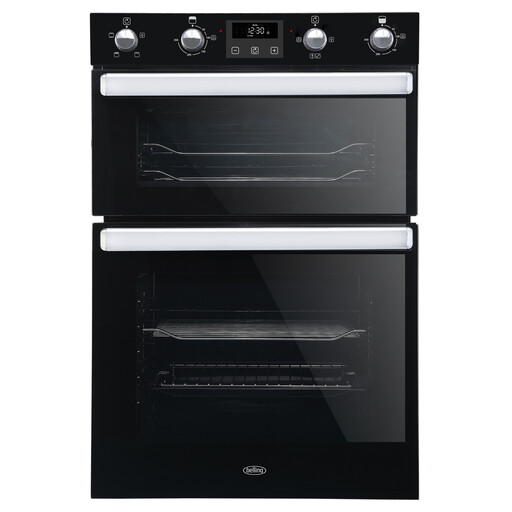 No image available
Consider this double built-in oven if the cottage has suitable housing and you want separate cooking cavities.
Check the installation requirements, your shortbread recipe’s temperature setting and whether your tin or tray fits before ordering.
 No image available
Consider this 90cm built-in double oven if the cottage kitchen is planned around a permanent appliance of this size.
Confirm the housing and electrical connection with an installer, and check the recipe temperature and usable tin or tray dimensions.
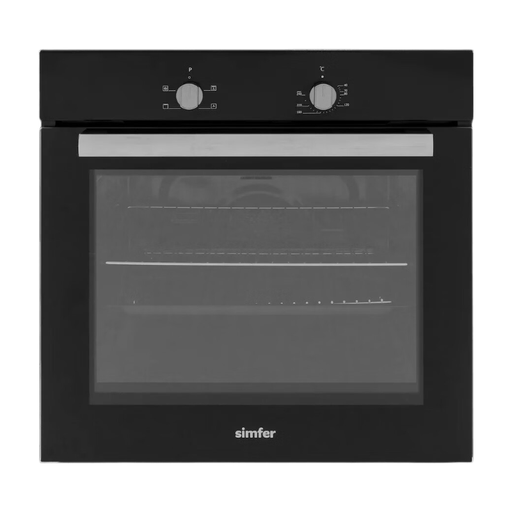 No image available
Consider this single built-in oven if the cottage has housing for a permanent appliance but you do not need a double oven.
Check the cabinet fit, electrical connection, recipe temperature and usable tin or tray dimensions before choosing it.
Choose an oven whose settings cover the recipe you intend to use. Shortbread recipes from Tesco Recipes, Lakeland and The Great British Bake Off specify 150°C, 160°C and 180°C fan respectively; check tin fit separately rather than choosing by maximum temperature alone.
Yes, if its worktop position, electrical supply and placement meet the manufacturer’s instructions and its cavity fits your intended batch. Russell Hobbs describes its 22780 Mini Kitchen for second-home use, but that does not establish whether it fits a particular cottage or baking tin.
A built-in oven makes sense when the cottage has compatible housing or a planned kitchen refit and you can arrange its required installation. For example, Bosch specifies that the MBA533BB3B needs a fixed electrical connection by an electrician, rather than a plug-in worktop position.
For a self-catering holiday home in England, follow the applicable electrical-safety guidance identified by GOV.UK and check the chosen oven’s installation and use instructions. GOV.UK also explains that the Electrical Equipment (Safety) Regulations 2016 set requirements for electrical equipment placed on the Great Britain market; property duties may differ elsewhere in the UK, so check the rules applying to the cottage’s location.