Small-batch picnic bakers
If you usually make one fresh batch, a countertop oven may suit the space you have. Check its fan-baking temperature and usable tray area against your recipe and intended number of scones.


Choose a countertop convection oven if you want to bake occasional small batches without fitting an oven into kitchen cabinetry; a built-in fan oven makes more sense if you regularly need more tray space or use several shelves. For Good Food’s classic cheese-scone recipe, check that the oven can use its 180°C fan setting and that a suitable tray leaves room for the batch you plan to bake. Litre capacity alone will not tell you how many scones fit.
If you usually make one fresh batch, a countertop oven may suit the space you have. Check its fan-baking temperature and usable tray area against your recipe and intended number of scones.
If you bake larger quantities or use several shelves, compare the usable shelf arrangements of built-in fan ovens. Which? notes that fan cooking is particularly useful when more than one shelf is in use.
If you need an oven for a worktop or another cooking location, check its placement instructions and electrical requirements before choosing a plug-in model. A built-in oven calls for a separate check of cabinet space and its exact connection type.
Consider it when: You want an occasional picnic batch from a worktop appliance rather than a fitted oven.
Trade-off: A compact cavity may limit how many scones fit with space between them, even when its stated temperature range covers the recipe setting.
Consider it when: You have a suitable kitchen installation and regularly need room for larger batches or several shelves.
Trade-off: Cabinet fit and electrical connection depend on the exact model; a built-in format is not a substitute for checking usable tray space.
| Concern | What to check | Who this matters to |
|---|---|---|
| Baking temperature and heat | For Good Food’s classic recipe, check for a usable 180°C fan-baking setting. If baking on several shelves, check the model’s fan function and shelf instructions. | If I want to follow the recipe’s fan setting without guessing at a conversion, temperature control is my priority; around 37% of consumers would put baking temperature and heat distribution first. |
| Batch size and tray area | Compare the usable tray and rack dimensions with your cutter size and planned quantity; a cavity’s litre rating does not establish scone capacity. | When I need enough cheese scones for a larger picnic, I want to know whether they will fit without crowding; roughly 27% of consumers would make batch space their main concern. |
| Space and connection | Check worktop or cabinet dimensions and the exact model’s placement, ventilation and electrical-connection instructions. For a gas model, check the required supply and installation arrangements. | If my kitchen has limited space or I am setting up an oven elsewhere, a workable position and connection come first; about 18% of consumers would prioritise installation and space. |
| Cleaning and handling | Check which trays or racks are included and follow the model’s instructions for cleaning, hot surfaces and tray placement. | When I expect to bake regularly, I want to be able to handle the trays and clean up afterwards; around 18% of consumers would put those practical tasks first. |
A cavity rating does not tell you the width of the usable tray or how much space you can leave between scones.
Compare the tray and rack dimensions with your cutter size and the number of scones you intend to bake.
Good Food’s classic cheese-scone recipe calls for 180°C fan and a hot baking tray, but tray position and airflow vary between ovens. A fan-only function should not be assumed to match a fan-baking setting.
Follow the recipe’s preheating and setting instructions where your oven supports them, then check that the scones are golden and cooked through rather than relying on the timer alone.
Built-in connection requirements differ even between Bosch models: Bosch lists a GB plug for the HHF133BS0B and fixed connection by an electrician for the MBA578BS7B. A countertop oven still needs placement and a supply suitable for its instructions.
Read the exact model’s installation instructions before ordering, and do not use a damaged cable or an unsuitable connection.
A model requiring fixed connection may mean arranging an electrician before you can use it.
The Russell Hobbs 22780 Mini Kitchen is a countertop option for a compact cooking space.
Bosch has built-in oven options for kitchens where a fitted appliance is appropriate.
The Tefal Optimo OF445840 is a compact countertop model with a stated convection mode.
These built-in ovens relate to the fitted-appliance route for picnic baking. Compare each model’s installation requirements, fan-baking setting and usable tray area with your kitchen and planned batch before choosing.
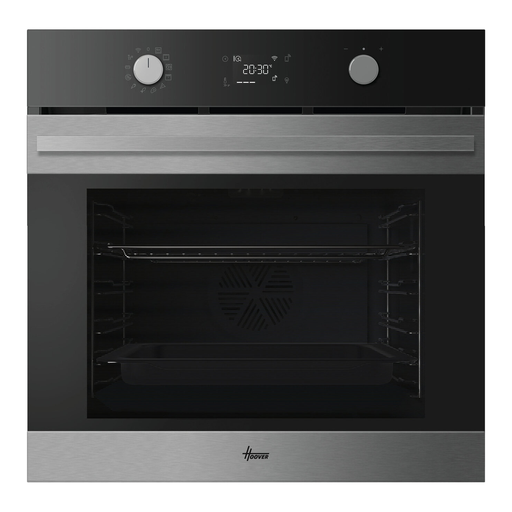 No image available
A built-in option to consider if you are planning a fitted oven for repeated baking.
The title identifies a 70 L pyrolytic model. Check its usable tray area and the installation instructions for your kitchen before buying.
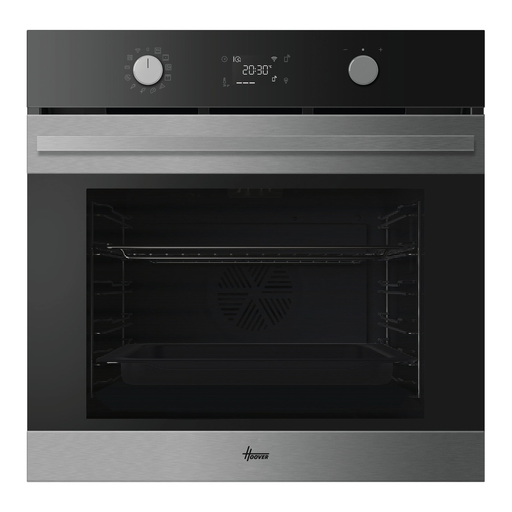 No image available
This built-in electric model is relevant if you want a permanent oven for picnic baking.
Its title states a 70 L capacity. Confirm that its fan-baking controls cover your recipe setting, that the tray fits your batch and that the installation requirements suit your kitchen.
 No image available
Consider this model if a built-in single oven suits your kitchen and baking plans.
Check the exact fan-baking controls, temperature range, tray dimensions and electrical connection before deciding whether it suits your cheese-scone recipe.
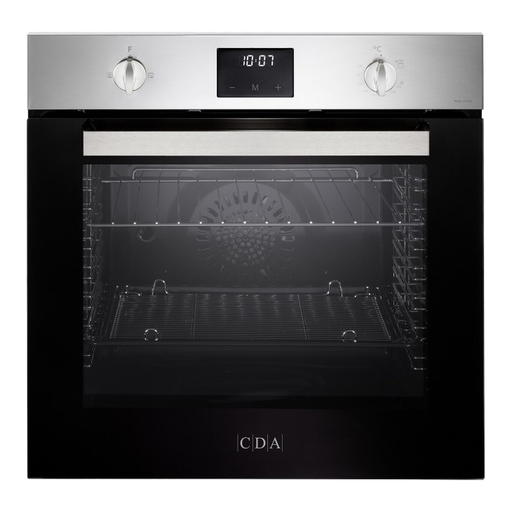 No image available
This gas fan oven is relevant only if a built-in gas appliance suits your kitchen installation.
Its title states a 70 L capacity. Check the fan-baking temperature, usable baking-tray dimensions and gas-supply and installation requirements for the exact model.
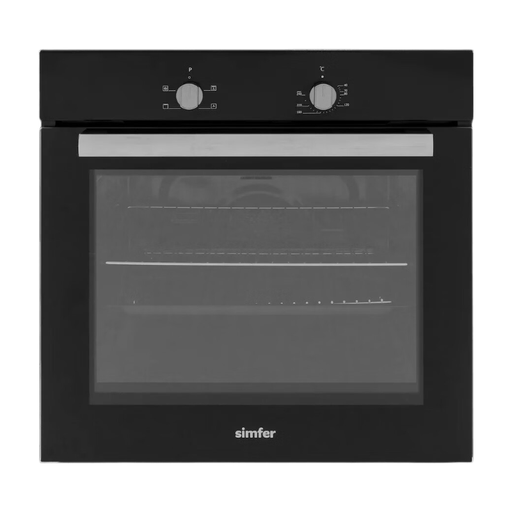 No image available
This fitted electric fan oven is an option to assess if you have room for a built-in appliance.
Confirm its temperature controls, suitable baking-tray area and installation dimensions against your recipe, intended batch and available cabinet space.
Good Food’s classic recipe calls for 200°C conventional, 180°C fan or gas 6, with a large baking tray heated in the oven. It gives a baking time of 15–20 minutes; check that the scones are golden and cooked through, and do not assume a fan-only setting is the same as fan baking.
No: conventional top-and-bottom heat remains an option for a single shelf of scones. Which? identifies fan cooking as particularly useful when you use more than one shelf; follow the temperature specified for the cooking mode you choose.
It can if its baking setting reaches your recipe temperature and a suitable tray fits the number of scones you plan to make. Check the actual tray dimensions and the model’s placement instructions: a 19 L or 30 L cavity rating alone does not establish batch size.
No; the connection depends on the exact model. Bosch lists a GB plug for the HHF133BS0B, whereas its MBA578BS7B double oven specifies fixed electrical connection by an electrician. Read the installation instructions for the oven you intend to buy.