Choose induction if you regularly soften vegetables, bring stock to the boil and reduce it to a simmer, provided your soup pot has a suitable magnetic base. Choose radiant ceramic if keeping non-magnetic pans matters more; its cooking surface heats up and remains hot after use. For either built-in hob, check the exact cut-out, electrical requirements and installation instructions before ordering.
Who each hob suits
Frequent soup makers who want responsive heat
If you often soften courgettes and onions before adding stock, induction lets you heat the pan directly and adjust the heat as the soup reaches a boil. Check that your usual soup pot works on induction before choosing it.
Households keeping non-magnetic pans
If your existing aluminium, copper, glass or ceramic pans lack a magnetic base, a radiant ceramic hob lets you keep using them. Allow for its hot cooking surface after use.
Buyers replacing a built-in hob
If your worktop opening is fixed, compare the new model’s installation drawing with the cut-out and cabinet space. Check its electrical requirements and, where specified, under-hob ventilation rather than relying on the advertised hob width.
What to check before buying
Start with whether a built-in hob can fit your kitchen, then decide which heating method suits your soup pot and the way you cook.
| Concern |
What to check |
Who this matters to |
| Kitchen fit and electrical supply |
Compare the exact installation drawing with your cut-out and cabinet; have the appliance’s electrical requirements checked against the existing supply. |
I need the replacement to fit my worktop and electrical setup before choosing cooking features. Around 33% of consumers put installation feasibility first. |
| Heat changes and simmering |
Compare the exact model’s heat controls and check whether its cooking zone suits your soup pot; consider assisted boiling functions only where specified. |
When I move from softening vegetables to boiling stock and holding a simmer, I want to adjust the heat promptly. For around 27% of consumers, responsive cooking is the primary concern. |
| Soup-pot compatibility |
For induction, test the pot’s base with a magnet and check its flatness and permitted base size against the model’s guidance. |
I want to keep using my usual soup pot rather than discover it will not work on induction. Around 20% of consumers make cookware compatibility their main concern. |
| Cleaning and residual heat |
Read the model’s cleaning instructions and check its controls and residual-heat indicators; let a radiant ceramic surface cool before wiping it. |
After soup splashes, I want a manageable clean-up routine and clear warning when the surface is still hot. That everyday-use concern comes first for around 20% of consumers. |
Buying pitfalls
-
Assuming a flat-bottomed pot will work on induction
Induction needs a magnetic pan base. A pot may also be unsuitable if its base is warped or outside the selected zone’s permitted size range.
Test your soup pot with a magnet, then check its base against the exact hob model’s pan guidance.
-
Choosing a built-in hob by its advertised width
Hobs with the same nominal width can have different cut-outs and ventilation instructions.
Compare the model’s installation drawing with your worktop opening and the space beneath it before ordering.
A mismatch can mean changing the worktop or cabinet arrangement.
-
Treating ceramic glass as cool when cooking stops
A radiant ceramic hob heats its surface, which remains hot after the hob is switched off.
Keep children clear, use a residual-heat indicator where the model has one and wait for the surface to cool before cleaning splashes.
-
Assuming the existing electrical connection will suit a new hob
The new appliance’s power requirements and connection method may differ from those of the old hob.
Check the exact model’s electrical data and ask a qualified electrician to assess the existing installation before purchase.
Brands to consider
Bosch
Bosch UK offers induction and radiant electric hobs. Its buying guidance distinguishes direct pan heating from heating the hob surface first.
- Bosch lists the PUE611BB5E as a 60 cm, four-zone induction model with PowerBoost and ChildLock.
- For an induction model, check magnetic cookware compatibility and that model’s installation instructions. The PUE611BB5E specifications should not be assumed to apply to other Bosch hobs.
AEG
AEG UK offers induction layouts with different numbers and arrangements of cooking zones, including selected Bridge and FlexiBridge models.
- According to AEG, its SenseBoil function on selected models detects rising bubbles and reduces the heat to a simmer.
- Check whether the exact model includes that function and whether your flat, magnetic soup-pot base meets its pan-size guidance.
NEFF
NEFF UK offers both induction and radiant ceramic hobs, making it relevant to buyers comparing heating methods.
- NEFF lists the T16NBE1L as a 60 cm, four-zone radiant ceramic model; ceramic heating does not require a magnetic pan base.
- A radiant ceramic cooking surface remains hot after use, so allow it to cool before cleaning.
Joybuy induction choices
These induction choices include built-in hobs for a fitted kitchen and one portable cooker for a different setup. Check your soup pot’s magnetic base and the installation or placement requirements of the model you choose.
 No image available
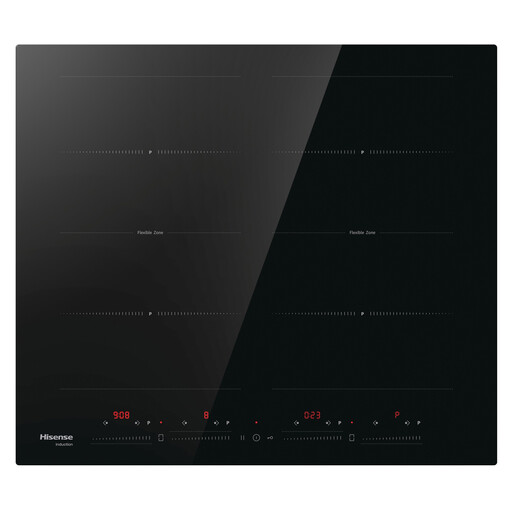
Hisense HI6442BSCE 60 cm induction hob with Area Flex
Consider this built-in induction hob if you want to use its Area Flex layout while preparing soup. Check how your soup pot fits the zones, along with the cut-out, electrical requirements and Rapid Boil instructions for this exact model.
View on Joybuy
 No image available
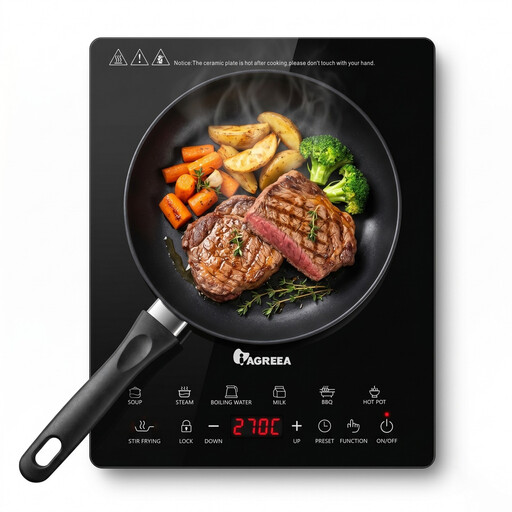
IAGREEA DF200-14V10 2000 W portable induction cooker
This portable cooker suits a setup where a built-in hob is not intended. Its title specifies eight power levels and flat-based cookware of 12–26 cm; check that your magnetic soup pot and intended placement meet its instructions.
View on Joybuy
 No image available
Bosch PIE631BB5E Series 4 60 cm induction hob
This built-in model is worth considering if you want induction heat for the sauté-to-simmer stages of soup cooking. Its title specifies a hardwired connection; check the cut-out, electrical supply and permitted soup-pot size for the PIE631BB5E.
View on Joybuy
 No image available
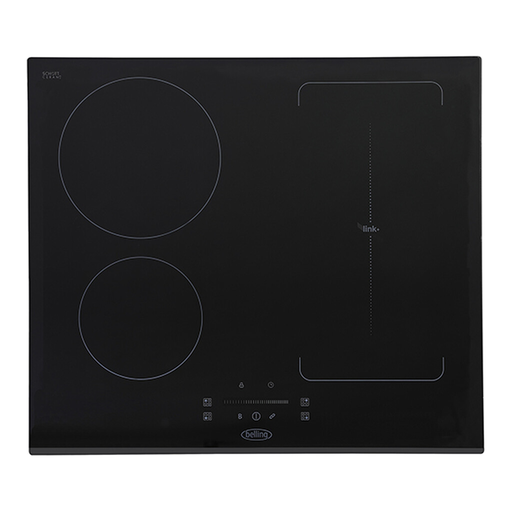
Belling ComfortCook IHL603 60 cm induction hob
Consider this built-in induction hob if its cooking-zone arrangement suits your soup pot and other pans. Check the pot’s magnetic base and permitted size, then compare the exact installation drawing and electrical requirements with your kitchen.
View on Joybuy
 No image available
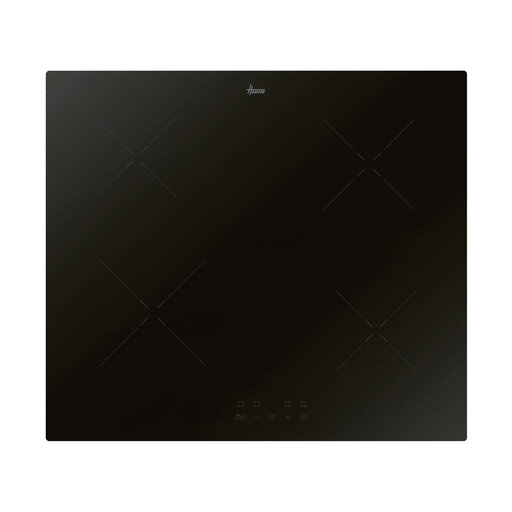
Hoover HI642BCB 60 cm four-zone induction hob
This built-in four-zone model is an induction option for cooking soup alongside other dishes. Check that your pot suits its zones and compare the cut-out and electrical requirements with your existing installation before ordering.
View on Joybuy
Common questions
Is induction or ceramic better for courgette soup?
Induction is the more relevant choice if you want to adjust heat promptly between softening vegetables, boiling stock and simmering, and your soup pot has a suitable magnetic base. Radiant ceramic lets you keep non-magnetic pans, but its cooking surface heats up and remains hot afterwards.
Will my existing soup pot work on an induction hob?
It will work only if its base is suitable for induction and meets the chosen hob’s pan-size guidance. A magnet should stick strongly to a flat base; aluminium, copper, glass and ceramic pots without a magnetic base will not work on induction.
Should I check the electrical connection before buying a built-in hob?
Yes: check the exact hob’s electrical requirements against the existing installation rather than assuming the previous connection will suit it. Ask a qualified electrician to assess the planned work and advise on the appropriate connection.
What should I measure when replacing a built-in hob?
Measure the worktop cut-out and check the available cabinet space against the exact model’s installation drawing, not just its visible width. Follow that model’s instructions for any under-hob ventilation clearance and check its electrical requirements too.


