
24/7 Customer Support

Free returns

Same-day & Next-day Delivery

Quality Guaranteed

Unlock Your Welcome Offers: FREE Delivery | Up to 80% OFF | Free 30-day JoyPlus trial
Download the APP
Whether you are preparing a family hotpot, making sushi at home or looking for convenient seafood snacks, choosing suitable crab products can be surprisingly difficult. Product names may suggest premium crab, while the ingredients reveal a surimi-based alternative, a seasoned snack or a cooked frozen product.
The main purchasing mistakes are usually easy to avoid:
Start with the ingredient list rather than the product name. Snow crab meat and cooked crab products may list crab or snow crab as the main ingredient. By contrast, imitation crab sticks and surimi crab sticks are made primarily from fish paste, starch, sugar and seasonings.
For example, a surimi snack may contain Alaskan pollock at 33%, alongside starches, egg white and a smaller quantity of crab meat. This gives a flaky, tender texture, but it should not be treated as an equivalent to 100% crab meat.
For authentic crab flavour and a delicate texture, look for:
For quick meals, cooked crab is convenient because it can usually be thawed in the refrigerator and served or briefly reheated. Cooked snow crab meat works well in salads, pasta, sandwiches, sushi fillings and seafood platters.
Frozen surimi is more flexible for everyday cooking. It can be added to hotpot, soup, noodles, omelettes and stir-fries, but many products should be heated thoroughly and not overcooked, as the texture can soften or break apart.
Raw products require more care. Half-cut raw blue swimming crab and baby crab should be fully defrosted and cooked within the stated timeframe. Do not refreeze once thawed unless the packaging specifically permits it.
UK shoppers should review the highlighted allergen information every time, particularly when buying for children or guests. Common allergens in crab products include:
Frozen products generally need to remain at -18°C or below. After thawing, follow the packaging instructions carefully and keep the product refrigerated. Ready-to-eat seafood snacks may have different storage requirements, so do not assume that every crab-flavoured product belongs in the freezer.
Pack size also affects value. A 200g or 250g pack may suit a single meal, while 320g to 350g cooked crab packs are more practical for sharing, hotpot or several portions. Individually wrapped crab snacks can reduce waste when used for lunchboxes or workday snacking.
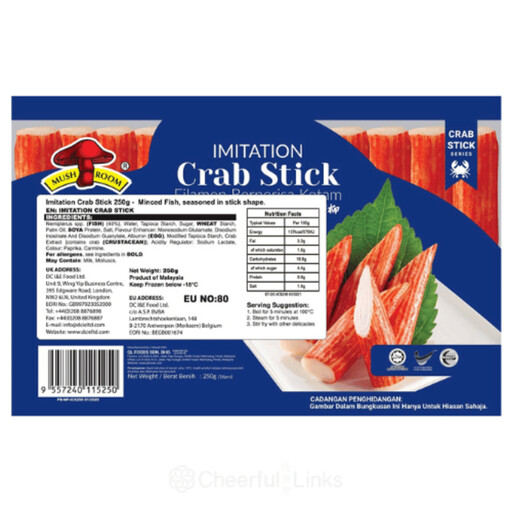
Why This Fits Their Persona: A manageable 250g frozen pack suits first-time buyers, smaller households and anyone trying surimi in hotpot, soup, sushi or salad.
Its description identifies it as imitation crab made from surimi, helping shoppers avoid mistaking a fish-based product for whole crab meat.
Frozen storage at -18°C or below; suitable for hotpot and soups in approximately 1–2 minutes when cooked as directed.
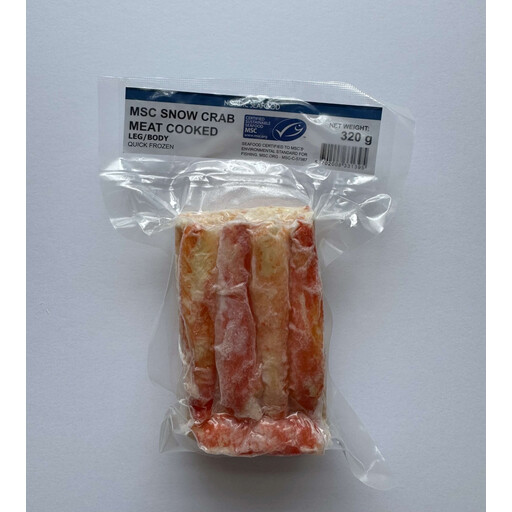
Why This Fits Their Persona: This is suited to shoppers prioritising named snow crab, a cooked format and a leg-and-body meat blend for salads, pasta or seafood platters.
The ingredients specify snow crab rather than using only a crab-style flavour description, making the product type clearer.
Fully cooked; 320g leg-and-body mix; listed at 17g protein per 100g and suitable for thaw-and-serve use.
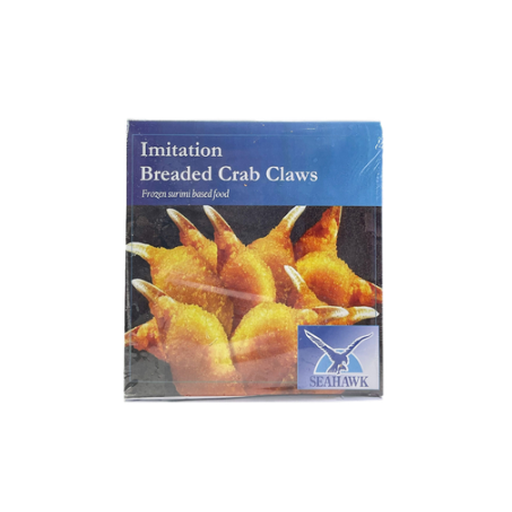
Why This Fits Their Persona: A 1kg frozen pack is practical for parties, catering-style serving or households that regularly prepare breaded seafood snacks.
The listing clearly states that it is a raw frozen product requiring full cooking, so it is not confused with ready-to-eat crab snacks.
1kg net quantity; breaded surimi and crab-claw format; suitable for deep-frying from frozen at 180°C for approximately four minutes as directed.
We have compiled a complete, real-time list of products that fully satisfy these strict selection criteria and UK safety regulations.
No. Imitation crab sticks are usually made from surimi, which is fish paste combined with starch, seasoning and flavouring. Some products may also contain crab ingredients, so check the label if you need to avoid or specifically include crustaceans.
Keep frozen products at -18°C or below. Defrost in the refrigerator where instructed, use within the stated period and do not refreeze after thawing. Raw crab must be cooked thoroughly before eating.
Fully cooked snow crab meat, ready-to-eat surimi snacks and thawed imitation crab sticks require the least preparation. For hotpot, crab meatballs and frozen surimi products are convenient, but follow the individual cooking instructions and allergen information on the packaging.