Hosts serving different dietary needs
A board with wheat-based and separately labelled gluten-free crackers gives guests distinct choices. Keep the packs available so ingredients and allergen statements can be checked before serving.


For a book-club board, choose a separately labelled gluten-free cracker if a guest needs to avoid gluten, but check the current pack for oats and other allergens. If everyone can eat wheat, compare fibre per 100g when fibre matters; choose a plain table-water cracker when toppings are the focus. Neither a high-fibre nor a gluten-free label tells you whether a cracker suits someone’s individual ingredient tolerances.
A board with wheat-based and separately labelled gluten-free crackers gives guests distinct choices. Keep the packs available so ingredients and allergen statements can be checked before serving.
Compare declared fibre per 100g across the crackers under consideration, alongside their ingredients. A fibre figure alone does not establish whether a particular cracker suits every guest.
Someone who already knows which ingredients they avoid may need to check wheat, oats or added fibre rather than rely on a broad claim such as high fibre or gluten free.
Start with any guest’s ingredient or allergen requirements, then compare nutrition information and the kind of toppings you plan to serve.
| Priority | What to check | Your needs |
|---|---|---|
| Fibre | Compare declared fibre per 100g on current packs. Read the cereal and added-fibre ingredients as well. | I’d like to compare crackers on the same nutrition basis, without assuming a higher fibre figure suits everyone. |
| Gluten and allergens | Look for a gluten-free label where needed, then check oats, other declared allergens and precautionary statements. Keep suitable choices and serving utensils separate. | A guest needs a clearly identified option that also fits their particular allergen requirements. |
| Ingredient tolerance | Check wheat and added ingredients against what the guest already knows they tolerate. A gluten-free label does not establish suitability for every other ingredient sensitivity. | I want guests to be able to choose by ingredients rather than by a general digestive claim. |
| Toppings | Decide whether the cracker should be a plain base or contribute its own flavour. Check dietary suitability separately from flavour. | With several dips or cheeses on the table, I’d prefer a plain option as well as any more distinctively flavoured crackers. |
Gluten-free crackers can still contain oats or have other relevant allergen statements. One shared pack may therefore not suit every guest.
Ask about allergies in advance, check each current pack and use separate utensils for crackers that need to stay apart.
Jacob's High Fibre Cream Crackers contain wheat bran and added fibre. Those ingredients may not fit a guest’s known tolerances, regardless of the fibre declaration.
Keep another clearly labelled option available and let guests check the ingredients for themselves.
Crackers differ in size, ingredients and nutrition information, so a per-piece figure alone is a limited comparison.
Compare fibre, salt and saturates per 100g, then check the cereal ingredients and allergen statement.
Ingredients and dietary information can change between a listing and the pack being served.
Check the physical pack when buying and leave it available for guests to read.
These examples show how named cracker lines differ; check the current pack before deciding what to put on a shared board.
Jacob's High Fibre Cream Crackers are a wheat-based cream-cracker option for comparing declared fibre.
Carr's Table Water Crackers offer a subtly flavoured base for toppings.
Ritz Original is a differently flavoured classic cracker rather than a plain table-water option.
Tesco Free From Cream Crackers are a labelled gluten-free cream-cracker option.
Sainsbury's Free From Crackers are another labelled gluten-free option for a mixed board.
Nairn's Super Seeded Wholegrain Crackers are an oat-based, labelled gluten-free alternative.
These options include gluten-free crispbread, a table-water biscuit, a rye crispbread, a digestive biscuit and plain crackers. A digestive biscuit is a different choice from a neutral savoury base.
 No image available
A gluten-free crispbread to consider as a separate board option; check its current allergen declaration against the guest’s requirements.
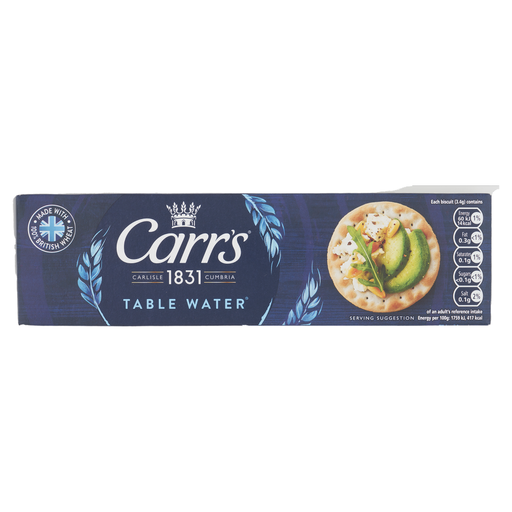 No image available
A plain table-water option for a board built around toppings. This wheat-based product is not a gluten-free choice; check the pack for its full allergen statement.
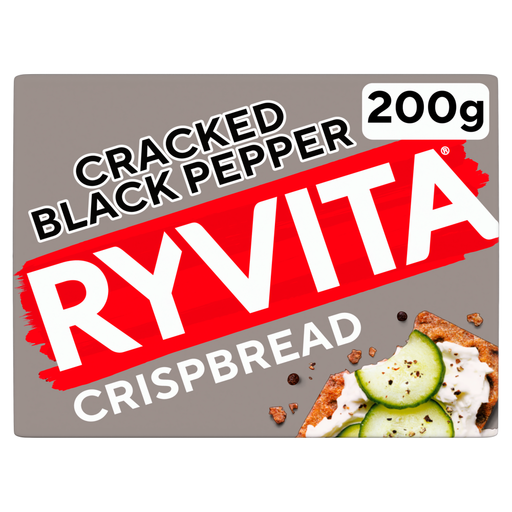 No image available
A rye crispbread with cracked black pepper for guests who want a flavoured option rather than a plain topping base. Rye contains gluten, so keep it distinct from gluten-free choices.
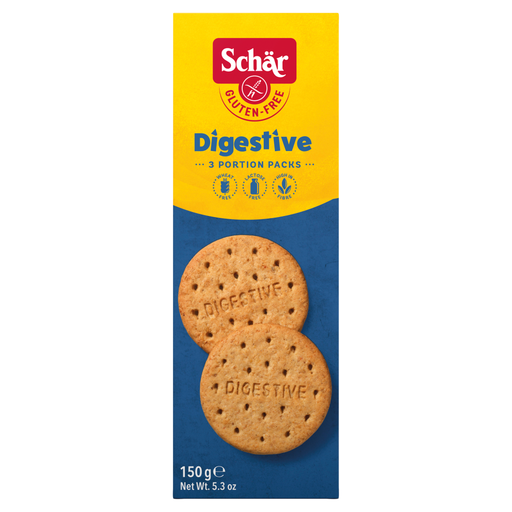 No image available
A gluten-free digestive biscuit for serving with tea rather than as a neutral savoury cracker. Its dietary label does not replace a check of the current allergen statement.
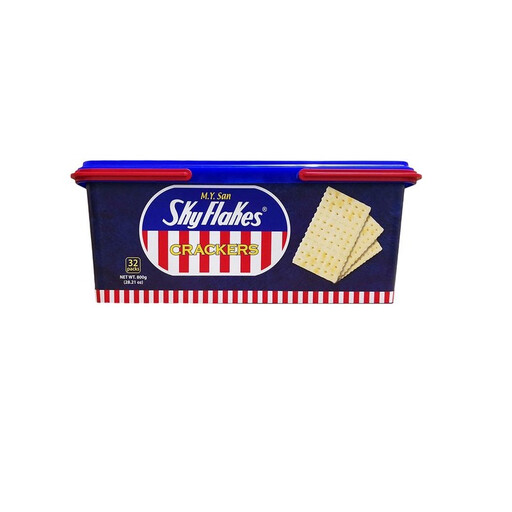 No image available
A plain cracker option for serving with a range of toppings. Check the pack’s cereal ingredients and allergen declaration before adding it to a mixed-dietary-needs board.
No. Gluten-free products can contain oats or other allergens. Check the current pack for every ingredient and allergen relevant to the guest, and keep separately suitable crackers apart when serving.
No. Compare fibre per 100g if it is a selection priority, but also read the cereal and added-fibre ingredients. A higher fibre declaration does not tell you whether those ingredients suit each guest.
No. A gluten-free label addresses gluten, not every other ingredient a guest may avoid. Ask guests to check the current ingredients against their known requirements rather than treating the label as a general digestive claim.
Follow each pack’s storage instructions. The Tesco, Sainsbury's and Nairn's product listings advise cool, dry storage, with airtight storage after opening specified for several of the products.