
24/7 Customer Support

Free returns

Same-day & Next-day Delivery

Quality Guaranteed

Unlock Your Welcome Offers: FREE Delivery | Up to 80% OFF | Free 30-day JoyPlus trial
Download the APP
Crackers are a convenient cupboard staple, but choosing the right pack involves more than picking the most attractive flavour or largest box. UK shoppers may be comparing soda crackers, rice crackers, crispbreads, savoury biscuits and cream crackers for lunchboxes, cheese boards, office snacks or dipping.
The main buying risks are usually hidden in the details:
A practical choice starts with the ingredients, pack format and intended use.
The first ingredient often indicates the main base. Wheat flour is common in saltine crackers, soda crackers and savoury biscuits, while rice is used in many Japanese rice crackers. Rye crispbreads such as Ryvita Original list wholegrain rye flour as the sole ingredient.
For allergy-aware households, check the full label rather than relying on the product name. Common allergens across these products include:
Ingredients and allergen declarations can change, so always confirm the packaging before serving, particularly for children or guests with allergies.
Crackers are generally energy-dense because they are made from flour or rice combined with oil. A “light” texture refers to mouthfeel, not necessarily nutritional content.
For comparison, the supplied products range from 335 kcal per 100g for Ryvita Original to around 567 kcal per 100g for Rishodo Salad Flavour Rice Crackers. Salt also varies: Ryvita lists less than 0.01g per 100g, while some flavoured or classic crackers list between 1.2g and 2.1g.
Look at:
“Baked, not fried” describes the cooking method, but it does not make a product automatically suitable for every diet.
Choose the pack format around how quickly it will be eaten. A 100g or 115g pack can suit an office drawer or occasional snack, while a 300g to 800g pack may be more practical for family use or entertaining.
Individual wrapping helps preserve crispness and makes portioning easier. Sky Flakes Crackers 800g, for example, contains 32 portable portions, which may suit lunchboxes and shared household storage. Smaller rice cracker packs can also be convenient for commuting or school bags, although children should be supervised while eating.
Once opened, reseal the packet or transfer crackers to an airtight container. Store all products in a cool, dry place away from direct sunlight, and check whether any product requires special storage. Silang Coconut Thin Cracker, for instance, is a frozen product rather than a ready-to-eat ambient cracker.
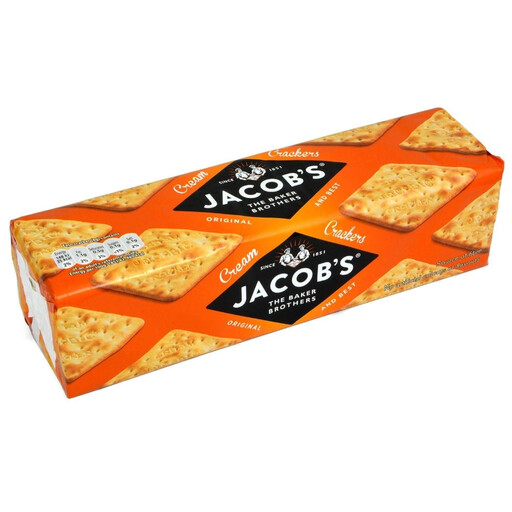
Why This Fits Their Persona: A familiar 300g format suits everyday snacking, simple lunches and classic cheese pairings without committing to a specialist flavour.
The ingredient list is straightforward, helping shoppers avoid paying for an elaborate flavour profile they may not use.
300g pack; 439 kcal and 1.3g salt per 100g; suitable for cheese, soups, salads and dips.
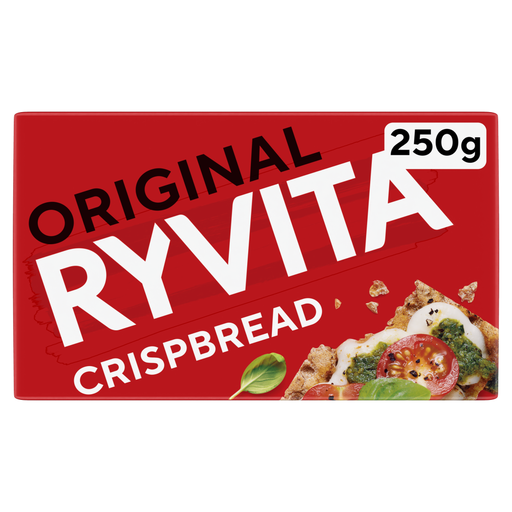
Why This Fits Their Persona: Wholegrain rye and a firm texture make this crispbread suitable for topping with avocado, cottage cheese, smoked salmon or nut butter.
Its single listed ingredient makes the base clear, rather than relying on vague wholegrain-style wording.
100% wholegrain rye flour; 16g fibre and less than 0.01g salt per 100g according to the supplied product information.
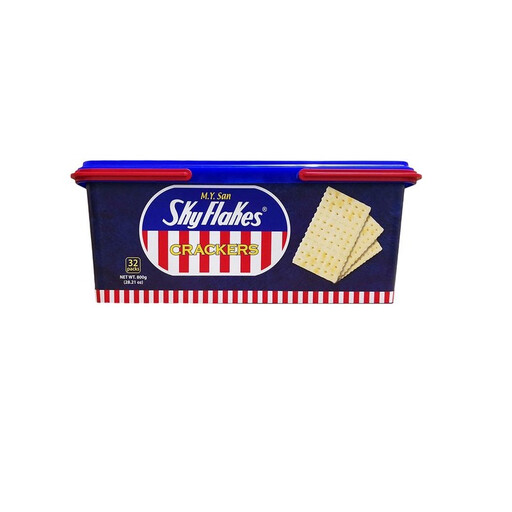
Why This Fits Their Persona: The large pack and 32 individually wrapped portions suit busy households, lunchbox preparation, office cupboards and frequent sharing.
Individual portions reduce repeated exposure to air, helping address the freshness problem associated with oversized packs.
800g quantity; 32 portable portions; suitable for toppings, dips, cheeses and soups.
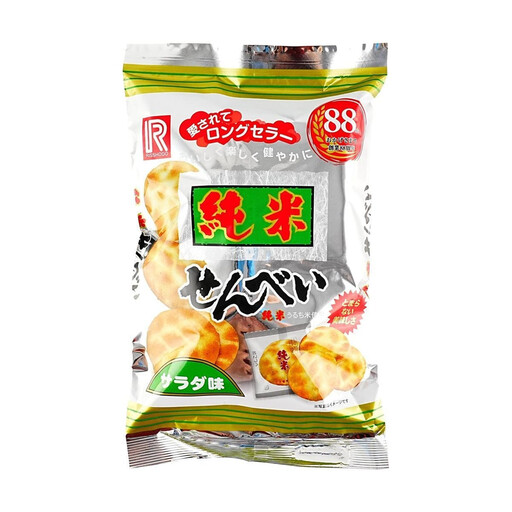
Why This Fits Their Persona: Individually portioned Japanese rice crackers offer a light, savoury alternative to traditional wheat-based biscuits for desk snacks and casual sharing.
The 10-piece format makes portions visible, while the listed soya allergen helps shoppers assess suitability before ordering.
10 individually portioned pieces; non-glutinous rice base; 0.4g salt per 100g in the supplied nutrition information.
We have compiled a complete, real-time list of products that fully satisfy these strict selection criteria and UK safety regulations.
Many crackers work well in lunchboxes when packed in a sealed container or supplied in individual wrapping. Choose mild flavours for younger children and check for wheat, milk, soya, sesame and other allergens. Hard, crunchy snacks may present a choking risk for very young children, so follow age-appropriate serving guidance and supervise where necessary.
Reseal the original packet firmly or move the contents to an airtight container. Keep them away from steam, humidity and direct sunlight. Individually wrapped products can retain their texture more effectively during repeated use, but the packaging should still be closed after removing a portion.
Plain cream crackers, soda crackers and crispbreads are flexible choices because their neutral taste allows toppings to remain prominent. For thicker dips, select a firm cracker or rye crispbread. Strongly seasoned rice crackers can also be used for dipping, but their flavour may compete with hummus, soft cheese or soup.