
24/7 Customer Support

Free returns

Same-day & Next-day Delivery

Quality Guaranteed

Unlock Your Welcome Offers: FREE Delivery | Up to 80% OFF | Free 30-day JoyPlus trial
Download the APP
Choosing crackers and crispbreads online can look straightforward until you compare ingredients, pack sizes and nutrition panels. A product labelled “light”, “low sugar” or “wholegrain” may not suit your intended use, while a large-looking box can contain fewer portions than expected.
This guide from the Joybuy Product Recommendation Officer explains what to check before buying, from rye crispbread and wholegrain crackers to flatbreads, savoury crackers and Asian crackers.
A low-sugar label only describes one part of the nutrition panel. Some savoury snacks can still be relatively high in energy, salt or fat. For example, the Orion Tomato Sauce flavour lists 15.5g of sugars and 2.2g of salt per 100g, despite being marketed as a low-sugar formula.
Compare the full panel, especially:
“Low sugar” should therefore be considered alongside the rest of the label rather than used as the sole reason to buy.
A product may show a modest per-piece figure while having a higher per-100g value. Ryvita Rosemary & Sea Salt Thins, for example, list 29 kcal per 7g thin, while the 100g figure is 407 kcal. Neither figure is misleading, but the comparison is only useful when the same basis is used across products.
For lunch accompaniments or topping-heavy snacks, also consider how much cheese, spread, dip or avocado you are likely to add.
Crackers and crispbreads commonly contain wheat, rye, barley, milk, soya, sesame or oats. Always check the current packaging, particularly if you have an allergy or are buying for guests.
Storage also varies. Ambient crispbreads should usually be kept in a cool, dry place and sealed after opening. Silang Green Onion Thin Crackers are different: they are a frozen, ready-to-cook product that must be stored at or below -18°C and pan-fried before serving. Choosing the wrong format can lead to waste or an unsuitable purchase.
The main flour or starch affects flavour, crunch and topping strength.
If you intend to build open sandwiches or serve soup and salad, select a sturdier product. For cinema snacks or packed lunches, smaller flavoured crispbreads may be more convenient.
For shoppers seeking high-fibre snacks, compare the fibre figure per 100g rather than relying only on front-of-pack wording. Ryvita Deli Cracked Black Pepper Rye Crispbread lists 14.5g of fibre per 100g, while Ryvita Rosemary & Sea Salt Thins list 7.8g per 100g.
Salt also deserves attention, particularly when pairing crackers with cheese, cured fish, dips or salted spreads. A product with a stronger seasoning may reduce the need for toppings, but the nutrition panel remains the reliable reference.
UK food labels should identify allergens clearly, typically through emphasis in the ingredient list. Still, recipes and packaging can change, so check the pack supplied before eating.
A 200g box may suit regular breakfasts or family snack plates, while a 125g pack is easier to store and finish while crisp. Individually wrapped 33g packs are convenient for work bags and portion control, but may create more packaging than a standard box.
Once opened, transfer crispbreads to an airtight container if the packaging does not reseal effectively. This helps preserve texture, especially in humid kitchens.
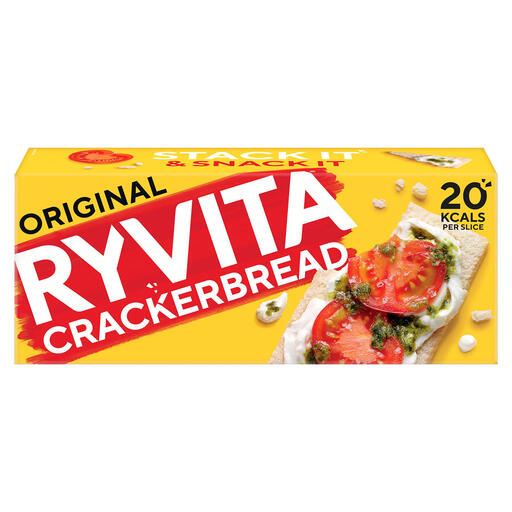
Why This Fits Their Persona: Its neutral, airy profile suits everyday breakfasts, work lunches and simple toppings without committing to a strongly flavoured snack.
The 200g pack gives a clearly stated quantity, while the mild flavour makes it less dependent on expensive dips or elaborate toppings.
380 kcal, 5g fibre and 10g protein per 100g; suitable for versatile sweet or savoury toppings.

Why This Fits Their Persona: A suitable choice for grazing boards, vegetarian entertaining or shoppers who prefer organic wholegrain ingredients with cheese and seeds.
The ingredient list specifies wholegrain wheat, Emmental and pumpkin seeds, avoiding vague “cheese-style” descriptions.
Organic wholegrain ingredients; 10g fibre and 18g protein per 100g; suitable for vegetarians.
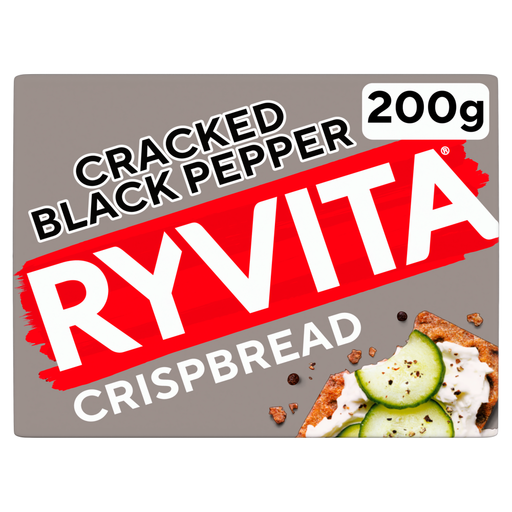
Why This Fits Their Persona: The rye base and savoury pepper seasoning work well with soup, salad or open sandwiches during weekday lunches.
Its listed 14.5g fibre and 0.56g salt per 100g make comparison easier than relying on front-of-pack wellness language.
Wholegrain rye flour; 344 kcal and 2.5g sugars per 100g; supplied as a 200g five-pack.
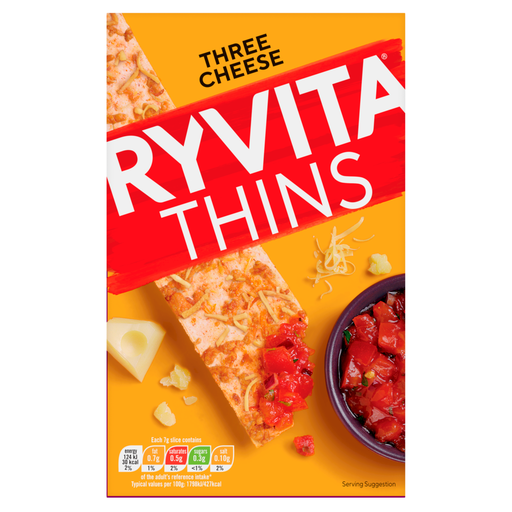
Why This Fits Their Persona: The thin, crisp format and three-cheese topping suit drinks parties, film nights and snack platters with minimal preparation.
The product specifies a 125g pack, 19% cheese and vegetarian suitability, helping shoppers assess value and use before ordering.
Contains wholegrain rye flour and three named cheeses; suitable for vegetarians and ready to eat.
We have compiled a complete, real-time list of products that fully satisfy these strict selection criteria and UK safety regulations.
Neither category is automatically healthier. Compare fibre, salt, fat, sugars and serving size on the nutrition panel. A wholegrain or rye product may offer more fibre, while a flavoured cracker may contain additional oil, seasoning or sugar.
Store them in a cool, dry place and reseal the original packaging where possible. For longer freshness, use an airtight container. Check the product instructions, as frozen Asian crackers such as Silang Green Onion Thin Crackers require freezer storage and cooking.
Choose a firm rye crispbread or wholegrain crispbread if you plan to add hummus, soft cheese, vegetables or smoked fish. Neutral products such as Ryvita Crackerbread are adaptable, while seasoned varieties such as black pepper or chive crispbreads can add flavour without requiring many extras.