
24/7 Customer Support

Free returns

Same-day & Next-day Delivery

Quality Guaranteed

Unlock Your Welcome Offers: FREE Delivery | Up to 80% OFF | Free 30-day JoyPlus trial
Download the APP
Choosing crackers and crispbreads online can seem straightforward until you compare ingredients, pack sizes, allergens and intended use. A product described as “light” may still be high in salt or saturated fat, while a small-looking pack may contain fewer portions than expected. Flavoured crackers can also be less versatile than plain varieties when paired with cheese, dips or spreads.
This guide explains the main buying pitfalls and the practical details to check before choosing savoury crackers, rye crispbread, rice crackers or snack biscuits for a UK household.
Terms such as “wholegrain”, “natural” and “wholesome” can appear prominently on packaging, but the nutrition panel provides a more useful comparison. Check the fibre per 100g, rather than relying only on front-of-pack wording.
For reference, the listed nutrition information shows:
These products have different flavours, textures and serving sizes, so fibre is only one part of the decision. A fruit-based crispbread, for example, also contains more naturally occurring and added sugars than a plain rye variety.
Thin flatbreads and rice cakes may feel lighter because of their airy texture, but that does not automatically make them lower in energy. Flavour coatings, oils, cheese and seeds can change the nutritional profile significantly.
Compare the per-100g figures and the suggested serving size. This is particularly useful when comparing rice crackers, cheese crackers, flavoured crackers and flatbreads, where individual pieces can vary considerably in weight.
Many traditional crackers contain wheat, rye, barley or other gluten-containing cereals. Cheese varieties may contain milk, while seed-topped products can include sesame. Some gluten-free crispbread products are made in facilities that handle soya or other allergens.
Always read the current packaging before purchase, particularly for:
For everyday snacking, compare the nutrition panel rather than relying on claims such as “healthy crackers”. A practical checklist is:
The best choice depends on how you intend to eat the product. A plain crispbread may work as an everyday base, while a richly seasoned or cheese-topped option may be better reserved for entertaining.
The main grain affects flavour, strength and topping compatibility:
Look for a pack that matches your toppings. Fragile crackerbread may suit soft spreads, whereas a robust rye crispbread is more suitable for heavier toppings.
Pack size should reflect how quickly you expect to use the product. A 125g pack may help preserve freshness when you want variety, while a 200g or 300g box may offer better value for regular family use. Larger formats, such as the 800g Sky Flakes pack, can suit offices, lunchboxes or group sharing.
Once opened, most crackers and crispbreads should be kept in an airtight container or tightly resealed pack. Moisture is the main cause of lost crunch. Check the best-before date on the physical packaging, as shelf-life can vary between batches.
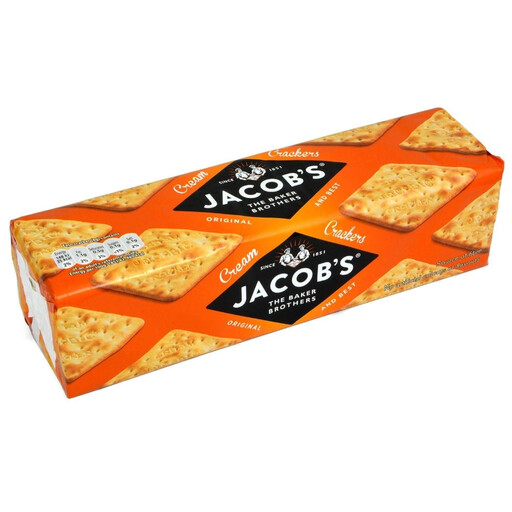
Why This Fits Their Persona: A 300g format gives regular snackers a versatile wheat-based option for cheese, soup, spreads and lunchboxes.
The ingredient list and nutrition panel are clearly provided, helping shoppers check wheat, gluten, salt and fat before buying.
Mild flavour; suitable for both savoury toppings and cheeseboards; 300g pack.

Why This Fits Their Persona: Its organic wholegrain base, Emmental and pumpkin seeds suit shoppers building a more considered cheeseboard or sharing platter.
The stated ingredients, allergens and per-serving nutrition make it easier to account for cheese, seeds, salt and energy.
200g pack; 10g fibre and 18g protein per 100g as listed; suitable for vegetarians.
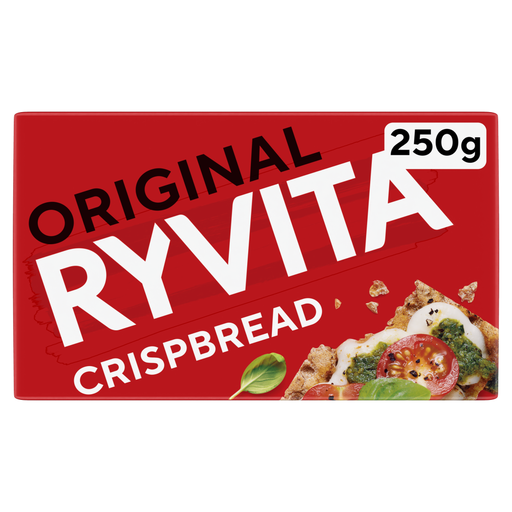
Why This Fits Their Persona: A plain 100% wholegrain rye crispbread is practical for repeated breakfasts, lunches, open sandwiches and topping combinations.
The single-grain ingredient list avoids confusing flavour coatings and makes the rye content easy to identify.
16g fibre per 100g as listed; less than 0.01g salt per 100g; works with sweet or savoury toppings.

Why This Fits Their Persona: A neutral-tasting, gluten-free base is useful for separate snack preparation and a range of sweet or savoury toppings.
The product is presented as gluten-free and lists no allergens, while also noting that soya is handled at the facility; packaging should still be checked.
150g pack; corn and rice flour base; neutral flavour for dips, avocado, nut butter or berries.
We have compiled a complete, real-time list of products that fully satisfy these strict selection criteria and UK safety regulations.
Yes, provided the product matches the person’s dietary requirements and is stored correctly. Individually wrapped rice crackers can be convenient for portioning, while boxed crispbreads may need an airtight container after opening. Check for choking warnings and supervise young children where appropriate.
Keep them in a cool, dry place and reseal the original packaging or transfer them to an airtight container. Avoid storing them near steam, moisture or direct heat. If the texture, smell or appearance changes, follow the product’s safety guidance and do not consume it.
Firm rye crispbread and sturdy wholegrain crispbread usually support hummus, cream cheese, avocado and other spreads. Thin rice crackers are better for lighter toppings, while plain wheat crackers provide a mild base for cheese, pâté and savoury dips. Always check the allergen information before serving guests.