
24/7 Customer Support

Free returns

Same-day & Next-day Delivery

Quality Guaranteed

Unlock Your Welcome Offers: FREE Delivery | Up to 80% OFF | Free 30-day JoyPlus trial
Download the APP
Choosing crackers and crispbreads online can look straightforward, but pack sizes, ingredients and serving formats vary considerably. A plain cream cracker for soup is not interchangeable with a rye crispbread for toppings, while a flavoured snack cracker may be less suitable for a low-salt cheese board.
For UK households, the practical choice depends on how the product will be used: lunchboxes, desk snacks, family sharing, entertaining, dips, soups or open sandwiches. The following guide highlights common buying traps and the product details worth checking before ordering.
Words such as “light”, “wholesome” or “non-fried” do not tell you everything about a product. Crackers can still be relatively high in energy, fat or salt. For example, the supplied nutrition information ranges from very low-salt rye crispbread to flavoured crackers with considerably higher salt per 100g.
Use the traffic-light nutrition panel, where available, and compare products on a per-100g basis. This prevents a small serving size from making a product appear lower in salt or calories than a larger serving of a similar snack.
Rye crispbread, including many products sold as Ryvita crispbread, contains rye, which is a gluten-containing cereal. Wheat-based cream crackers and soda crackers also contain gluten. A product described as “wholegrain” is not automatically gluten-free.
Always read the current ingredients and allergen declaration. This is especially important for coeliac shoppers, people with allergies and families preparing shared lunchboxes. Cross-contact statements such as “may contain” should not be ignored.
Family-size snack crackers can offer a lower cost per 100g, but only if the contents remain fresh. Some large packs are individually wrapped, while others require careful resealing after opening. Moisture quickly affects thin crackers and crispbreads, making them softer and less enjoyable.
Check whether the format suits your household’s consumption rate. Smaller packs can reduce waste for occasional use; larger packs are more practical for offices, parties or regular family snacking.
Look for the main cereal first. Common options include:
UK food labels should identify allergens clearly, but recipes can change. Check the pack supplied at the time of purchase, particularly when buying familiar products such as Jacobs crackers.
A useful comparison includes energy, fat, saturates, sugars, fibre and salt. Per-serving figures help with portion planning, while per-100g figures make different pack sizes comparable.
For example, Ryvita Original is listed with 16g of fibre and less than 0.01g of salt per 100g in the supplied product information. By contrast, Jacobs Cream Crackers are listed at 1.3g of salt per 100g. These figures describe the products as listed and should be checked against the packaging before purchase.
Thin, delicate pieces suit light toppings but may break under chunky cheese or wet dips. A more substantial cracker is preferable for entertaining and loaded toppings. Consider:
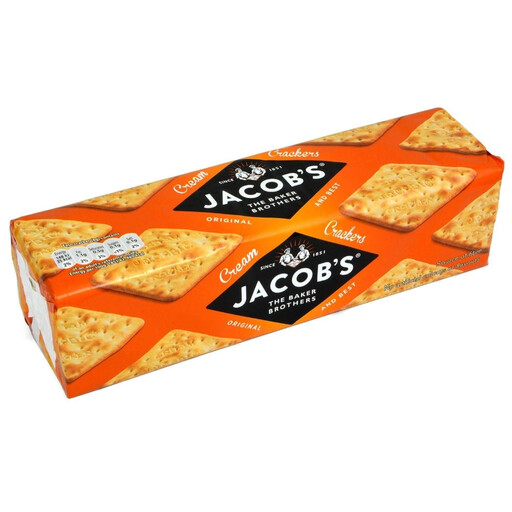
Why This Fits Their Persona: A familiar, neutral option for everyday snacks, soup, cheese and simple toppings without committing to a strongly flavoured variety.
The 300g format provides a practical pantry quantity, while the ingredient list and allergen information are clearly presented for checking before purchase.
Plain flavour; suitable for cheese boards, soups and savoury toppings; 0.6g sugars per 100g in the supplied nutrition information.
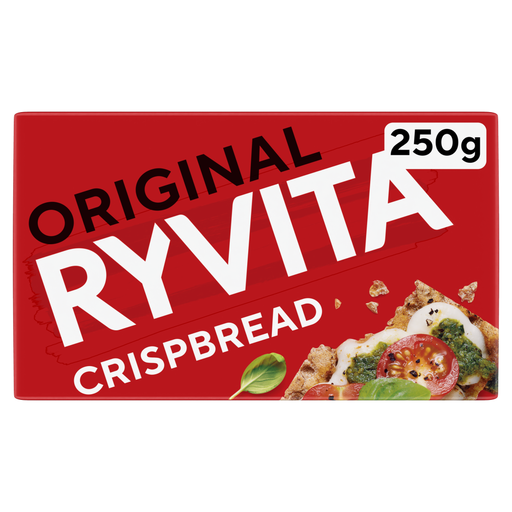
Why This Fits Their Persona: A straightforward wholegrain rye base for shoppers who prefer a firm crunch and subtle flavour that allows toppings to remain prominent.
It identifies whole grain rye flour as the sole listed ingredient, avoiding vague wholegrain wording. It is not suitable for gluten-free diets because it contains rye.
100% whole grain rye flour; 16g fibre and less than 0.01g salt per 100g according to the supplied product details.

Why This Fits Their Persona: Designed for shoppers specifically seeking gluten-free crispbread for toppings, lunchboxes or a separate household snack option.
The product is identified as gluten-free and lists no allergens, while also noting that it is produced in a facility handling soya.
Corn and rice flour base; 150g pack; suitable for savoury toppings when the label matches your dietary requirements.
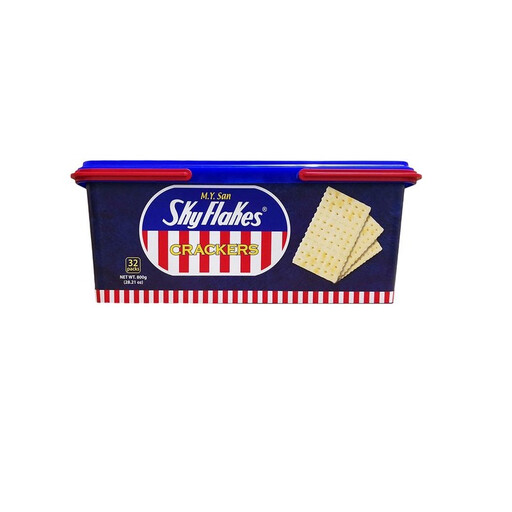
Why This Fits Their Persona: A large pack for frequent snackers, office cupboards, family sharing and building a generous cheese-and-dips platter.
The 800g pack contains 32 portable portions, helping reduce repeated opening of one large unprotected bag.
Individually wrapped portions; mild slightly salty flavour; useful with dips, cheese and soups.
We have compiled a complete, real-time list of products that fully satisfy these strict selection criteria and UK safety regulations.
Store unopened crackers and crispbreads in a cool, dry cupboard away from direct sunlight. Once opened, use an airtight container or resealable packaging. Keep wet toppings separate until serving to reduce softening.
For a British-style snack plate, combine plain cream crackers with mature cheddar, chutney and grapes. Rye crispbread works well with cottage cheese, cucumber or smoked salmon, while savoury crackers can add texture to soup and salad. Check the allergen information of toppings as well as the base product.
Yes, provided the pack format and allergen information suit your household. Individually wrapped soda crackers can be convenient for school or office use. Avoid packing products with toppings unless they can be kept chilled and assembled safely.
This depends on the packaging and storage conditions. When kept tightly sealed in a dry cupboard, many products remain crisp until the printed best-before date, but texture can deteriorate sooner after exposure to moisture. Follow the pack’s storage instructions.
They are different products rather than direct substitutes. Compare the nutrition panel for fibre, salt, fat and energy, then consider how much topping you add. Rye crispbread may provide more fibre in some products, but it still contains gluten and should be selected according to your dietary needs.