
24/7 Customer Support

Free returns

Same-day & Next-day Delivery

Quality Guaranteed

Unlock Your Welcome Offers: FREE Delivery | Up to 80% OFF | Free 30-day JoyPlus trial
Download the APP
Buying crackers and crispbreads can seem straightforward until you compare ingredients, pack sizes, allergens and intended use. A product described as “light”, “wholesome” or “premium” may not suit your diet, hold toppings well or offer good value.
Whether you need rice crackers for lunchboxes, rye crispbread for weekday toppings, savoury crackers for entertaining or gluten-free crispbread, a quick label check can prevent disappointing purchases.
Terms such as “natural”, “wholesome” and “light” are not enough to compare products. Check the nutrition panel per 100g, particularly salt, saturated fat, sugar and fibre. Some flavoured snack crackers contain noticeably more salt or fat than plain crispbreads.
For example, Maretti Sour Cream & Onion Flavour Crackers list 2.6g of salt per 100g, while Ryvita Original lists less than 0.01g per 100g. These products serve different taste preferences, but the figures show why front-of-pack wording should not replace label reading.
Gluten-free crispbread may avoid wheat, rye and barley, but it can still contain or be produced around other allergens such as milk, soya, sesame or nuts. Schär Gluten Free Crispbread lists no allergens in its supplied ingredients, while its manufacturing information states that the facility handles soya.
In the UK, always read the current packaging and highlighted allergen information, particularly when buying for someone with coeliac disease or a diagnosed allergy. Recipes and warnings can change.
Thin snack crackers may be pleasant straight from the packet but can break under generous toppings. Conversely, a robust wholegrain crispbread may be less suitable for delicate canapés or a child’s lunchbox.
Before buying, decide whether you need crackers for dips, open sandwiches, cheeseboards, packed lunches or casual snacking. Texture is a practical specification, not just a matter of taste.
Look beyond the product name. Rye products may also contain wheat or barley, while cheese crackers commonly contain milk and cereals containing gluten. For vegetarian snacks, check the product-specific ingredients and allergen statement rather than relying only on flavour descriptions.
Some rice crackers use soy sauce powder, flavour enhancers or milk powder. Younger Farm Mini Rice Crackers, for example, contain soya, wheat and barley despite their rice-based format. The product is therefore not suitable for people avoiding those allergens.
If you are comparing sweet chilli rice crackers, check both the seasoning and nutrition panel. A rice base does not automatically mean low salt, low sugar or gluten-free.
Use the per 100g figures to compare products fairly, then consider the realistic portion. A 200g box may offer better cupboard value, but flavoured products can be easy to eat quickly.
Useful points to compare include:
These figures do not determine whether a snack fits your diet, but they make comparisons clearer.
For occasional entertaining, a selection box or 200g pack can be practical. For daily use, resealable packaging or airtight storage matters because moisture quickly affects crispness.
Once opened, follow the storage guidance on the pack. Many crispbreads and crackers recommend an airtight container. Check the best-before date, especially when buying multipacks or stocking up for a future gathering.
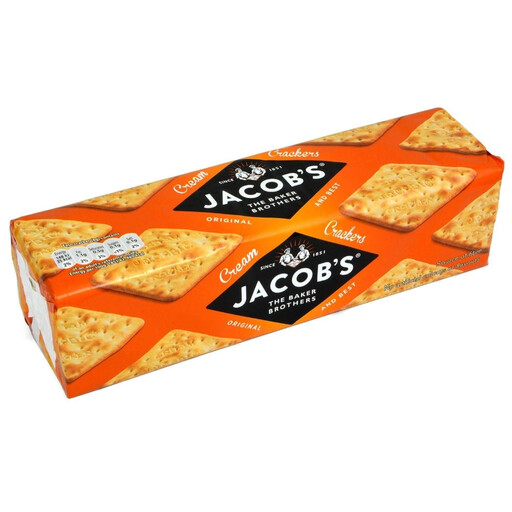
Why This Fits Their Persona: A 300g pack gives new shoppers a flexible cupboard staple for cheese, soup, spreads and everyday savoury snacking.
Its relatively plain flavour makes it easier to pair with different toppings without buying several specialised packs. It does contain wheat and gluten, so the allergen information still needs checking.
300g pack; 0.6g sugar and 1.3g salt per 100g according to the supplied nutrition information.

Why This Fits Their Persona: A more substantial option for cheeseboards, lunch plates or shoppers seeking organic wholegrain crispbread with added texture.
The ingredient list specifies wholegrain wheat, Emmental and seeds, making the flavour and texture more transparent than vague “premium” wording.
Organic ingredients listed; 10g fibre and 18g protein per 100g; suitable for vegetarians. Contains wheat, milk, oats, barley and sesame.

Why This Fits Their Persona: A neutral, corn-and-rice-based crispbread for gluten-free toppings, packed lunches and simple canapés.
The supplied ingredient list contains corn starch, corn flour, rice flour and psyllium rather than wheat, rye or barley. Always verify the current gluten-free statement on the pack.
150g pack; 1.5g fat and 0.3g saturates per 100g in the supplied nutrition information; no allergens listed in the ingredients.
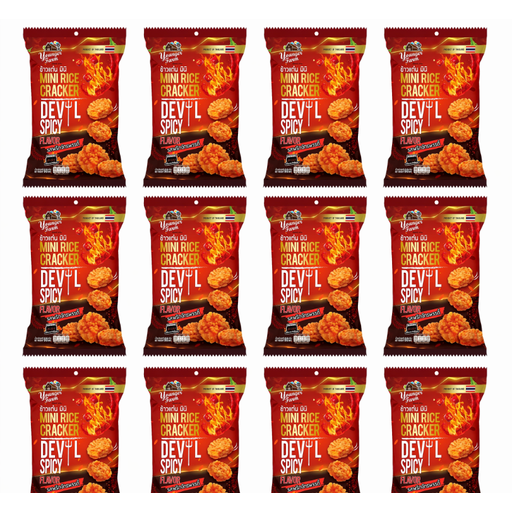
Why This Fits Their Persona: Twelve individual packs suit parties, road trips, office drawers or households that prefer portioned spicy rice crackers.
Individual 60g bags reduce the freshness problem associated with repeatedly opening one large packet. The pack is clearly positioned as spicy rather than a neutral everyday cracker.
12 x 60g format; gluten-free and Halal certified according to the supplied product details; contains soya and aspartame.
We have compiled a complete, real-time list of products that fully satisfy these strict selection criteria and UK safety regulations.
They can fit into a varied diet, but suitability depends on portion size and the accompanying toppings. Compare the nutrition panel, especially salt and saturated fat, and add toppings such as vegetables, dips or cheese according to your preferences and dietary needs.
Crispbread is usually the more substantial option for open sandwiches and heavier toppings, while thin crackers and flatbreads work well for small portions, dips and canapés. Product thickness and structure vary, so check the description and reviews where available.
Store it in a cool, dry place and reseal the original packaging if it is designed for this. For longer storage, transfer the product to an airtight container. Discard it if the texture, smell or appearance seems unusual, and follow the best-before information on the packaging.