
24/7 Customer Support

Free returns

Same-day & Next-day Delivery

Quality Guaranteed

Unlock Your Welcome Offers: FREE Delivery | Up to 80% OFF | Free 30-day JoyPlus trial
Download the APP
Choosing crackers and savoury snacks can seem straightforward until you compare ingredients, pack sizes, allergens and portion formats. A low shelf price may hide a small net weight, while an appealing flavour can come with more salt, saturated fat or allergen warnings than expected.
Whether you need rice crackers for an office drawer, lunchbox snacks for school, crispbread for toppings or sharing snacks for guests, a few checks can help you spend more wisely.
A large bag is not automatically economical. Compare the price per 100g, not just the total ticket price. A multipack may also contain individually wrapped portions, which can be useful for lunchboxes but may cost more per gram than one resealable bag.
For example, Sky Flakes Crackers provide 800g in individual portions, while a 60g pack of spicy rice crackers is more suited to occasional or on-the-go use. The right choice depends on how quickly the household will consume it and how well the packaging protects freshness.
Airy prawn crackers, puffed snacks and thin rice cakes can feel light, but texture does not indicate energy, fat or salt content. Check the nutrition panel per 100g and, where shown, per serving. Some savoury biscuits and snack crackers contain around 400–520 kcal per 100g, so portion size matters.
Words such as “baked”, “non-fried” or “gluten-free” describe a preparation method or dietary characteristic. They do not, by themselves, mean a product is suitable for every diet or lower in calories.
Crackers may contain wheat, rye, barley, milk, soya, sesame, crustaceans or fish. Seasonings can introduce allergens that are not obvious from the product name. Always read the current packaging, particularly when buying Asian snacks, prawn crackers or spicy snacks.
For UK shoppers, allergen information should be clear on the label. If buying for someone with an allergy or coeliac disease, check both the ingredients and any “may contain” statement rather than relying on front-of-pack wording.
Start with the cereal base:
For a wheat-free or gluten-free requirement, Schär Gluten Free Crispbread lists corn starch, corn flour, rice flour and psyllium vegetable fibre, with no allergens declared in the supplied product information. It is produced in a facility that handles soya, so the full pack statement remains important.
Use per 100g figures to compare different pack sizes. Then check the serving size to understand how much you are likely to eat. Relevant figures include:
For example, Rishodo Salad Flavour Rice Crackers list 0.4g of salt per 100g, while The Snack Organisation Sweet Chilli Rice Crackers list 2.1g per 100g. These products suit different flavour preferences and should not be treated as interchangeable.
Crisp products quickly lose their texture when exposed to moisture. Look for:
Breadsticks, crispbread and rice crackers are generally ready to eat, but resealing the pack or transferring contents to an airtight container can help maintain crunch after opening.
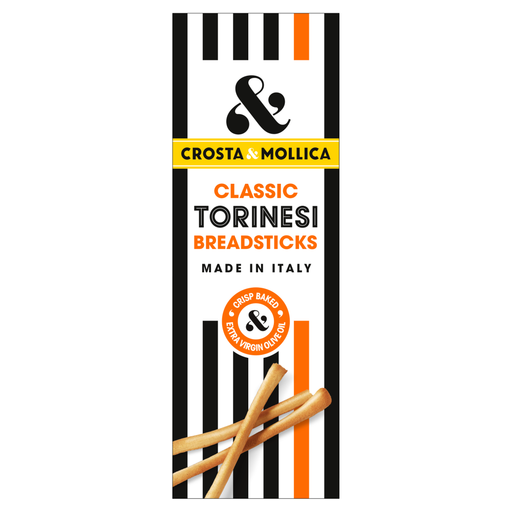
Why This Fits Their Persona: A straightforward pantry option for lunches, soups, salads or casual sharing without buying a very large multipack.
The 120g format makes it easier to match the purchase to actual use, while the short ingredient list clearly identifies wheat, barley and olive oil.
Crisp breadsticks with 7% extra virgin olive oil; ready to serve alongside soups, salads or a sharing board.
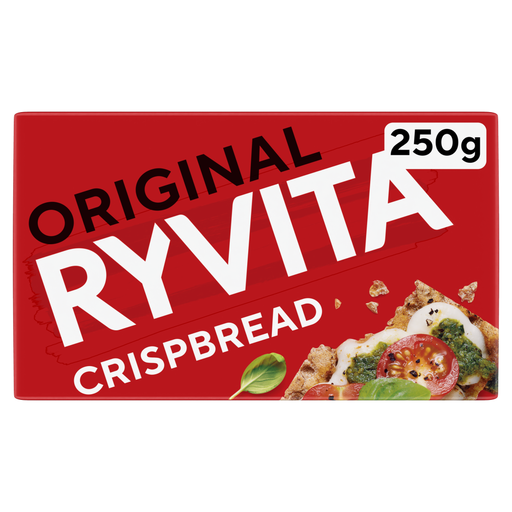
Why This Fits Their Persona: A suitable base for shoppers who prefer a firm wholegrain crispbread with toppings such as cheese, cottage cheese or vegetables.
Its ingredient list contains 100% whole grain rye flour, so the cereal base is easy to identify rather than hidden behind a complex flavour blend.
Contains 16g fibre and less than 0.01g salt per 100g according to the supplied information; sturdy texture suits toppings.

Why This Fits Their Persona: A compact Asian snack for shoppers who want noticeable heat in a desk drawer, travel bag or sharing bowl.
The label identifies sticky rice at 76%, while the product information clearly flags soya and aspartame-related phenylalanine information for checking before purchase.
Made in Thailand from sticky rice; the 60g pack is ready to eat and naturally gluten-free according to the supplied product information.
We have compiled a complete, real-time list of products that fully satisfy these strict selection criteria and UK safety regulations.
For a lunchbox, individually wrapped Sky Flakes Crackers or Rishodo Rice Crackers can reduce handling and make portions easier to organise. For a cheese board, cream crackers, breadsticks and crispbread provide different textures and topping options. For sharing, consider a combination of mild savoury biscuits, spicy rice crackers and prawn crackers rather than relying on one strong flavour.
If you need a gluten-free option, check Schär Gluten Free Crispbread or rice-based products, but read every seasoning and cross-contact statement. For children, follow the packaging guidance on age suitability and choking hazards, especially with hard or irregularly shaped snacks.
Some are, but not all. Rice itself does not contain gluten, yet seasonings may include wheat-based soy sauce or other cereals. Check for a clear gluten-free statement and read the full ingredients list before buying.
Keep them in a cool, dry place and reseal the original packaging tightly. An airtight container can help protect crispbread, breadsticks and snack crackers from moisture. Follow the storage instructions and best-before information printed on the pack.
Choose a pack size that reflects the number of people and the occasion. Large multipacks work for regular household use, while individually portioned products suit picnics, office drawers and lunchboxes. Offering plain cream crackers alongside flavoured Asian snacks also gives guests a broader choice.