What should you check?
Start with whether an ordinary crisp cracker is appropriate for the person eating it. Then compare labels on the same basis and consider the whole afternoon-tea serving.
| Priority | What to check | Your needs |
|---|
| Swallowing texture |
Check for coughing or choking while eating, food feeling stuck, or an existing texture-modified diet. Follow the person’s individual clinical food-texture advice rather than choosing by the cracker label. |
If someone I serve has swallowing difficulty, I need to know whether their advised food texture permits crackers. Royal United Hospitals Bath NHS Foundation Trust identifies dry, crumbly crackers in its swallowing guidance. |
| Fibre and portion |
Compare declared fibre per 100g, then use the pack’s per-cracker or serving figure to judge the amount offered. Consider fibre alongside the rest of the diet and suitable fluids. |
I want to understand what the crackers contribute to an actual tea portion, without treating them as a constipation remedy. The NHS identifies both low fibre and insufficient fluids among possible causes of constipation. |
| Salt across the plate |
Compare salt per 100g on current labels, then consider the number of crackers and any savoury toppings. A per-100g difference does not describe the salt in the complete serving. |
When I serve crackers with cheese or a savoury spread, I want to consider the topping as well as the cracker. |
| Ingredients and allergens |
Read the full ingredient and allergen declaration, including any precautionary statement. Check a gluten-free claim on the particular pack rather than assuming a plain cracker is gluten-free. |
If wheat, gluten or another ingredient must be excluded, I need a product that meets that specific requirement. ASDA Groceries labels its Free From Plain Crackers gluten-free but also lists oats. |
Relevant brand references
These label examples help distinguish cracker types; the figures refer to the named products, not every cracker sold under each brand.
Jacob’s
A comparison between the named Original and High Fibre Cream Crackers.
- Ocado lists 6.4g fibre per 100g for Jacob’s High Fibre Cream Crackers; Waitrose & Partners lists 3.0g per 100g for Jacob’s Cream Crackers.
- Ocado lists 1.7g salt per 100g for the High Fibre product. Both are crisp crackers, so their fibre difference does not settle a swallowing-texture decision.
Carr’s
Table Water Crackers are an option to consider when a plain, crisp base for a topping is wanted.
- Waitrose & Partners lists 4.2g fibre per 100g for Carr’s Table Water Crackers.
- The same listing gives 1.5g salt per 100g. Their dry, crisp texture should not replace individually advised food textures.
Tesco
Tesco Cream Crackers provide another named plain cream-cracker label to compare.
- Tesco Groceries lists 2.9g fibre and 0.83g salt per 100g for Tesco Cream Crackers and describes them as suitable for vegans.
- They contain wheat and remain ordinary crisp crackers; neither the salt figure nor the vegan description establishes suitability for other dietary or swallowing requirements.
ASDA Free From
A reference for shoppers who need a specifically labelled gluten-free plain cracker.
- ASDA Groceries labels its Free From Plain Crackers gluten-free and lists 4.8g fibre per 100g.
- The product contains oats. Its gluten-free label does not establish suitability for every allergy or for someone requiring a modified food texture.
Cracker options on Joybuy
These options include cream crackers, other crackers and crispbreads for an afternoon-tea selection. Check the current pack for fibre, salt, ingredients and allergens; none should be chosen solely from its category name when swallowing guidance applies.
 No image available
Schar Gluten Free Crispbread 150g
A labelled gluten-free crispbread to consider when gluten avoidance is needed and ordinary crisp foods are appropriate. Check the current pack for other allergens; gluten-free does not mean suitable for a texture-modified diet.
 No image available
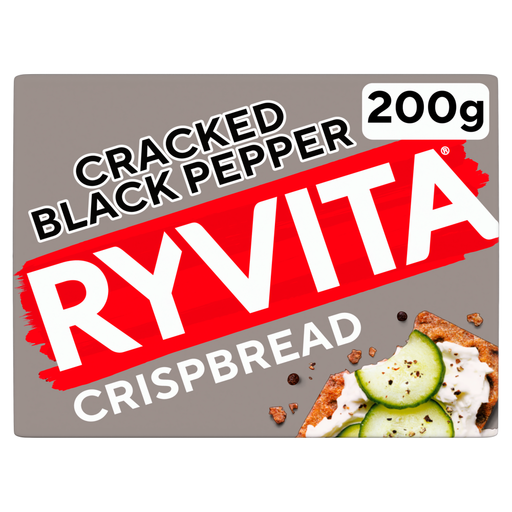
Ryvita Deli Cracked Black Pepper Rye Crispbread 5 Pack 200g
A black-pepper rye crispbread for a savoury afternoon-tea selection when the eater can manage ordinary crisp foods. Check the current fibre, salt and allergen declarations rather than treating the rye description as a nutrition or dietary-suitability claim.
 No image available
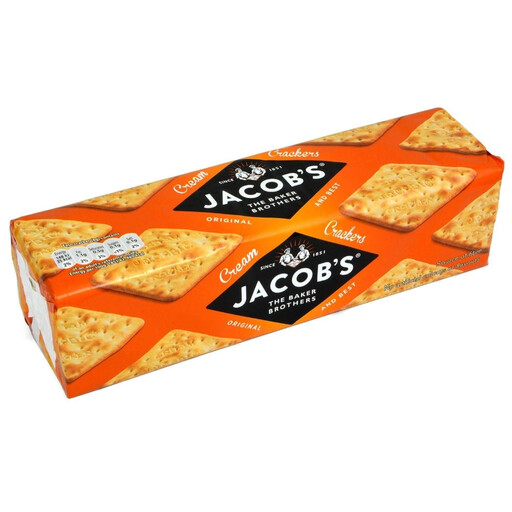
Jacobs Cream Crackers 300g
A cream-cracker option for afternoon tea where ordinary dry crackers are appropriate. Check this 300g pack’s own fibre, salt and allergen label; figures for a differently sized listing should not be assumed to describe this pack.
 No image available
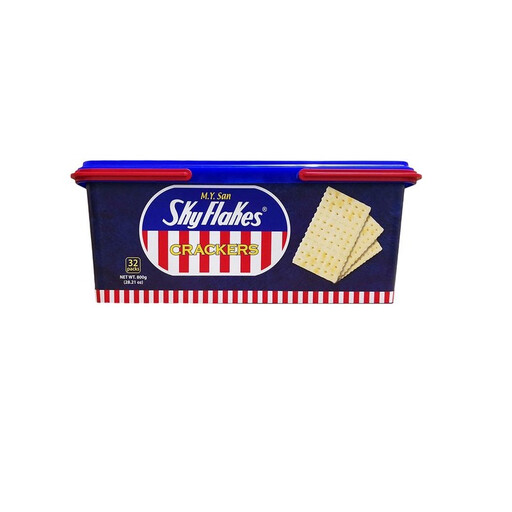
Sky Flakes Crackers 800g
A cracker option to compare with cream crackers for an afternoon-tea plate. Check the pack’s fibre, salt and allergen information, along with the portion served; ordinary dry crackers should not replace prescribed food textures.
 No image available
Ritz Original Crackers 150g
An Original cracker option for someone who can eat ordinary crisp foods. Read the current pack for fibre, salt and allergen details, especially when the crackers will be served with savoury toppings.
Common questions
Are crackers suitable for an older person with swallowing difficulties?
Do not treat ordinary dry crackers as a default option when swallowing difficulty is known or suspected. Royal United Hospitals Bath NHS Foundation Trust identifies dry, crumbly foods including crackers in its swallowing guidance. The NHS advises seeking an urgent GP appointment if someone coughs or chokes while eating or drinking; follow the person’s individual food-texture advice.
Can high-fibre crackers treat constipation?
No cracker should be relied on as a treatment by itself. A higher-fibre product can contribute dietary fibre, while the NHS identifies insufficient fibre and fluids, among other factors, as possible causes of constipation. If symptoms persist, seek advice from a pharmacist or clinician.
Which label figures help compare crackers?
Compare fibre and salt per 100g first, then check the per-cracker or serving figures for the amount offered. For example, Ocado lists 6.4g fibre per 100g for Jacob’s High Fibre Cream Crackers, while Tesco Groceries lists 0.83g salt per 100g for Tesco Cream Crackers. Those figures answer different questions; also consider toppings, allergens and whether a crisp texture is appropriate.
Are plain crackers necessarily free from wheat or gluten?
No. The cited Jacob’s, Carr’s and Tesco standard cracker listings identify wheat, while ASDA Groceries labels its Free From Plain Crackers gluten-free and lists oats. Check the current pack’s full ingredients and allergen information against the individual requirement.
How should crackers be kept after opening?
The cited retailer labels advise keeping crackers in a cool, dry place and using an airtight container after opening. Storage may help preserve their intended texture, but it does not make a dry cracker suitable for someone whose swallowing guidance excludes it.


