
24/7 Customer Support

Free returns

Same-day & Next-day Delivery

Quality Guaranteed

Unlock Your Welcome Offers: FREE Delivery | Up to 80% OFF | Free 30-day JoyPlus trial
Download the APP
Whether you need savoury crackers for a cheese board, rice crackers for an office snack or crispy crackers for dipping, the wide choice can make a simple purchase surprisingly difficult. Pack imagery often highlights flavour and crunch while leaving out details that matter in everyday UK households: allergens, storage, portion size and whether the product is ready to eat.
The following guide cuts through common marketing traps and compares practical options for lunchboxes, parties, sharing and casual snacking.
Thin crackers, soda crackers and airy crispbreads may feel less filling, but texture does not determine nutritional value. The reference products range from approximately 380 to 545 kcal per 100g, so check the nutrition panel rather than relying on words such as “light” or “delicate”.
For portion control, look for individually wrapped portions or a clearly stated serving size. Sky Flakes Crackers, for example, are supplied in an 800g pack with 32 portable portions, while Ryvita Thins list nutrition per 7g thin.
Most packaged crackers are ready to eat, but not all products listed under cracker-style snacks are ambient pantry items. Silang Green Onion Thin Cracker and Silang Coconut Thin Cracker are frozen, ready-to-cook products that need pan-frying or baking. They must be kept at or below -18°C and should not be refrozen after thawing.
Always check the usage instructions and storage conditions before ordering. A product that needs freezer space and preparation may not suit a student desk drawer or an office cupboard.
Seasoning blends can contain more allergens than the base cracker suggests. Common ingredients include wheat, barley, soya, milk, sesame, peanuts, fish, crustaceans, egg and sulphites.
For example, wasabi rice crackers may contain peanuts, soya and wheat through soy sauce, while seaweed crackers can include crustaceans, egg and sulphites. In the UK, allergen information should be checked on the product packaging before consumption, particularly when buying for children, guests or anyone with a food allergy.
Choose the structure that matches how you plan to eat the product:
If you need crackers for dipping, consider surface size and structural strength. Very thin products can break under thick hummus or salsa, whereas a denser soda cracker may hold toppings more reliably.
A small 50g pack can work well for a commute, lunchbox or trial of an unfamiliar flavour. Larger 200g to 360g packs are more practical for households and office kitchens, while an 800g box is designed for frequent use or group sharing.
Once opened, reseal ambient crackers or transfer them to an airtight container. Moisture quickly affects crispness. Frozen products require different handling, so check whether they need to remain frozen until cooking.
Look beyond front-of-pack claims and review:
A product described as vegetarian is not automatically suitable for every dietary requirement, and “palm-oil-free” or “MSG-free” does not describe the full nutritional profile.
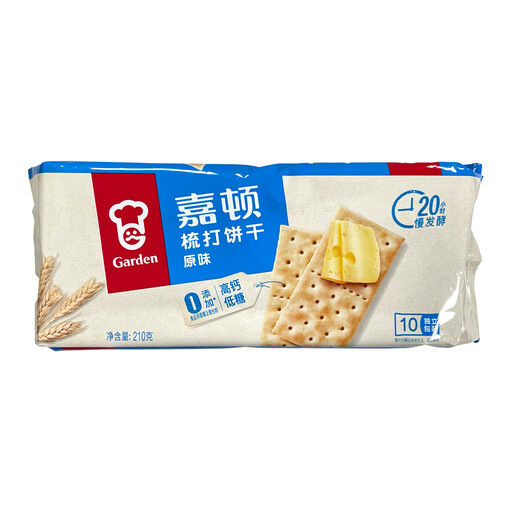
Why This Fits Their Persona: A neutral-tasting 210g pack gives first-time buyers a flexible option for cheese, soups, dips or eating plain.
The product is described as ready to eat, so it does not require freezer storage or cooking. The flavour is less specialised than heavily seasoned alternatives.
210g net weight; lightly salted soda-style format; suitable for pairing with cheese, dips and soup.
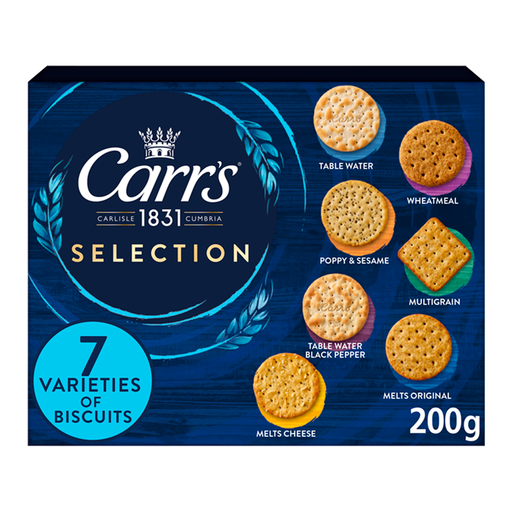
Why This Fits Their Persona: A selection of traditional crackers suits hosts assembling a cheese board or serving drinks at home.
The assortment provides different textures rather than relying on one highly flavoured style that may not suit every guest.
200g selection; designed for cheeses, spreads and toppings; contains wheat and barley.
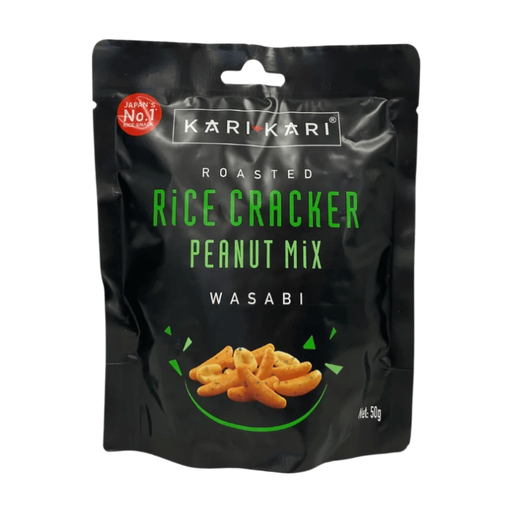
Why This Fits Their Persona: This compact Japanese snack mix offers crispy rice crackers, roasted peanuts and a wasabi-style seasoning for drinks, lunchboxes or an individual snack.
The 50g size makes it easier to try a strongly seasoned flavour without committing to a large box. The allergen list clearly identifies peanuts, soya and wheat.
Rice cracker and peanut mix; ready to eat; compact pack for portioned snacking.
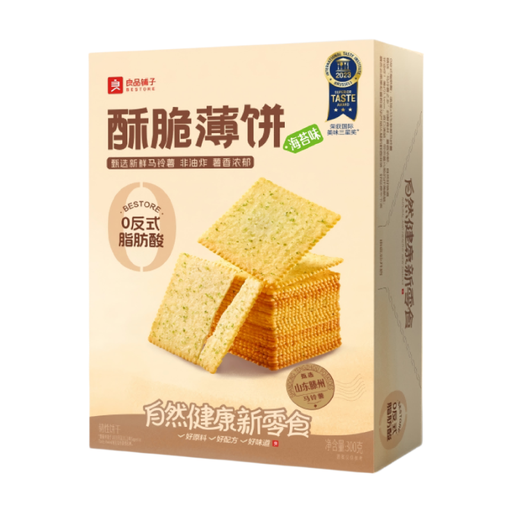
Why This Fits Their Persona: The 300g box is suited to family sharing, party platters or keeping a larger supply of flavoured crackers at home.
The larger format is transparent about its 300g quantity, while the allergen information flags wheat, soya, crustaceans, egg and sulphites before purchase.
300g sharing pack; extra-thin format; seaweed seasoning; ready to eat and suitable for dipping.
We have compiled a complete, real-time list of products that fully satisfy these strict selection criteria and UK safety regulations.
Look for a firm, reasonably thick surface and a size that fits comfortably into the dip. Soda crackers, traditional selection crackers and some larger crispbreads are practical choices. Very thin crackers may be more fragile with thick hummus or chunky salsa.
Keep ambient crackers in a cool, dry cupboard away from sunlight and humidity. Reseal the original packaging or use an airtight container. For frozen, ready-to-cook products, follow the stated freezer temperature and do not refreeze after thawing.
Some are, but suitability varies by recipe. Check the packaging for fish, crustaceans, dairy and other animal-derived ingredients. Mitsuba Sea Salt Rice Crackers are listed as suitable for vegetarians, while other rice cracker mixes may contain seasonings that require closer inspection. Always read the current ingredient and allergen information before serving.