
24/7 Customer Support

Free returns

Same-day & Next-day Delivery

Quality Guaranteed

Unlock Your Welcome Offers: FREE Delivery | Up to 80% OFF | Free 30-day JoyPlus trial
Download the APP
Choosing craft kits for kids can look straightforward until you compare age ratings, materials, instructions and the amount of adult help required. A colourful box may promise hours of creativity, yet some kits contain too few components, unclear guidance or pieces that are unsuitable for younger children.
For parents, grandparents, carers and teachers in the UK, the right choice should match the child’s age, interests, attention span and available space. It should also offer a realistic activity rather than an impressive-looking package that becomes frustrating after one attempt.
Bright packaging does not always indicate a complete project. Check whether the kit includes the core materials, tools, paints, adhesives and decorations needed to finish the activity. Otherwise, you may need to make an additional trip to buy brushes, glue or protective materials.
A kit aimed at older children may include small gems, stickers, beads or wooden pieces. These can be unsuitable for younger children, even when the activity itself looks simple. Always follow the stated age recommendation and supervision guidance. For children under three, avoid products containing small parts entirely.
Paint-based arts and crafts for kids can require table protection, drying space and help with cleaning brushes. Nail design sets may need additional care because they are used on skin and should not be applied to the face or irritated skin. A low-mess option, such as scratch art notebooks, may be more suitable for travel, classrooms or quiet indoor play.
Age guidance is based on the complexity of the activity and the size of the components. A kit marked for ages 5+ may still require an adult to supervise cutting, gluing, paint use or the handling of small decorations. Look for clear warnings and instructions rather than relying only on the child’s reading age.
For school or group use, consider whether the contents can be shared safely. Individual tools and materials reduce waiting time and make the activity easier to organise.
Compare the number of finished projects with the contents of the box. A set that creates several objects may offer more flexibility for siblings, parties or repeated sessions. For example, a wooden car painting kit containing four cars gives children multiple opportunities to build and customise.
Check whether “complete” means everything is supplied. Some DIY craft kits still require household items such as cardboard boxes, empty bottles, water, aprons or table coverings.
For products sold as toys in the UK, check the manufacturer’s safety information and age warnings. Toy packaging may refer to relevant CE or UKCA marking, but buyers should still read the product-specific instructions and warnings.
Also consider:
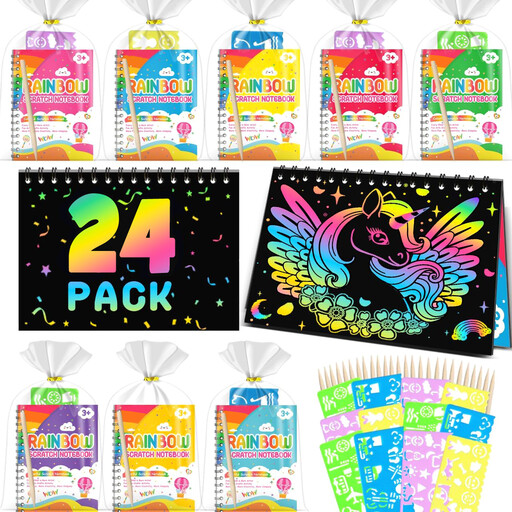
Why This Fits Their Persona: A practical choice for families, classrooms and party bags needing many individual activities without paint, water or glue. The compact format is also convenient for journeys and waiting rooms.
The pack includes 24 notebooks, 240 sheets, 24 wooden styluses, 24 stencils and 24 gift bags, so the contents are clearly defined before purchase.
A6-sized notebooks, no batteries required and a relatively low-mess activity for children aged approximately 4+.
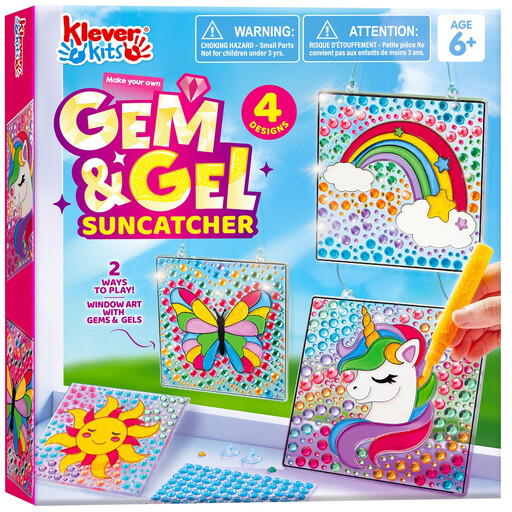
Why This Fits Their Persona: Suitable for children who enjoy decorative projects and want to display the finished work in a bedroom window. It offers a more structured activity for birthdays, Christmas or creative afternoons at home.
The set specifies four templates, three gem sticker sheets, six window paint pens, ropes, suction cups and colour guides, reducing the need for extra supplies.
Combines gem decorating and window painting, with designs including a unicorn, butterfly, sun and rainbow.
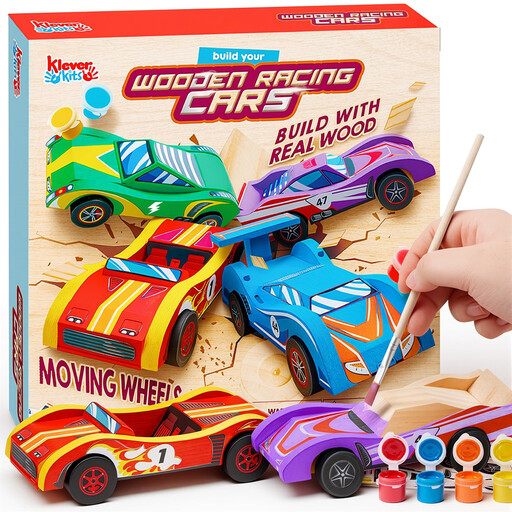
Why This Fits Their Persona: A strong match for children aged approximately 6–12 who prefer construction, vehicles and longer hands-on projects. Four cars also make it useful for siblings, playdates or group activities.
The listed contents include 44 pre-cut wooden pieces, 12 paint tubs, three brushes, four sticker sheets, a glue pen and illustrated instructions.
Pre-cut parts require no extra tools, while painting, assembly and racing stickers provide several stages of creative play.
We have compiled a complete, real-time list of products that fully satisfy these strict selection criteria and UK safety regulations.
Different interests may call for different creative activity kits for children:
Look for simple, low-mess activities with larger components and clear adult supervision guidance. Scratch art notebooks can be easier to organise than paint-based projects. Avoid kits with small parts unless the packaging confirms suitability and an adult can supervise directly.
Often, yes. Younger children may need help opening packaging, reading instructions, applying glue, managing paint or tidying materials. Older children may complete more stages independently, but supervision remains important where products contain small parts, cosmetics, adhesives or tools.
Choose kits with multiple projects, such as a four-car set or a multi-notebook pack, rather than a single finished object. Store unused materials in a sealed container, protect the work surface and allow painted items to dry fully before handling or displaying them. This helps prevent wasted materials and keeps the activity available for more than one session.