
24/7 全天候客户支持

免费退货

当日/次日达

品质保障

开启新人专享福利: 全场免邮 | 低至 2 折 | 免费试用 30 天 JoyPlus 会员
下载 Joybuy
Choosing craft kits for kids can seem straightforward until you compare age guidance, material quality, project variety and safety information. A colourful box may attract attention, but it does not always provide enough materials for more than one short activity.
Parents, grandparents and gift-givers in the UK should also consider whether a kit suits the child’s ability, available space and willingness to work independently. The right children’s arts and crafts set should offer a clear activity, manageable instructions and a finished result that encourages children to keep creating.
Some kits look substantial but contain only a few components or one small project. Check the stated number of makes, the quantity of paint or accessories and whether the kit requires additional glue, tools or household materials.
A set that supports several designs, such as a unicorn craft kit with materials for up to ten projects, may offer more varied use than a single-use activity. However, always check whether recyclable household items, such as cardboard boxes or milk bottles, are also needed.
Craft activities often include beads, charms, fasteners, ceramic pieces or small wooden components. These can present a choking risk for younger children. Age guidance is not simply a suggestion about difficulty; it can also relate to the size and handling of the components.
Look for clear warnings, the recommended age and whether direct adult supervision is required. For UK purchases, check that the packaging includes appropriate toy safety information, relevant CE or UKCA marking where applicable, and responsible manufacturer or importer details.
A kit can support creativity and fine motor practice while still being too difficult for a particular child. Jewellery-making may involve precise threading and fastening, while model-building can require patience and careful removal of pre-cut pieces.
Read the instructions and project description before buying. A younger child may enjoy open-ended painting, whereas an older child may prefer a structured construction project with a more detailed finished model.
Choose a set that matches the child’s age, dexterity and attention span. For children aged five and above, look for large, manageable components and illustrated or step-by-step instructions. For older children and teenagers, a more complex DIY craft kit can provide a longer project.
Supervision is particularly important when a kit contains small parts, ceramic items, scissors, glue or paint. Children should work on a protected surface and packaging should be removed before the activity begins.
Check whether the kit contains the main materials needed to complete the advertised project. Useful details include:
For a paint your own craft kit, dedicated paints and brushes reduce the need for extra purchases. For wooden models, pre-cut pieces and illustrated instructions can make assembly more approachable.
A good creative activity should fit the child’s available time and the household’s space. Compact packaging is useful for storage, travel, playdates and rainy-day activities. Painting projects may need drying space, while jewellery kits benefit from a small tray or container to prevent beads from being misplaced.
Keep craft materials away from food preparation areas and protect clothing and furniture. Ceramic pieces should be handled carefully, both during painting and after completion.
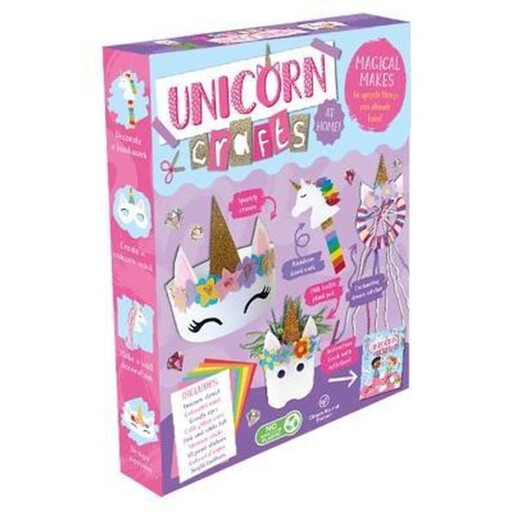
Why This Fits Their Persona: Suitable for children from age five, this set offers up to ten unicorn-themed projects and can be combined with everyday recyclable items at home.
The project count is stated clearly, while bonus ideas and upcycling suggestions help extend the activity beyond the supplied materials.
Includes step-by-step guides, requires no batteries and encourages creative reuse of household packaging.
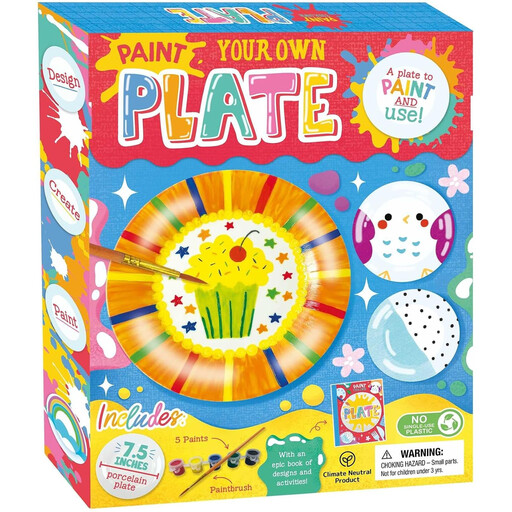
Why This Fits Their Persona: This all-in-one ceramic painting set suits children aged five and above who enjoy creating a display piece rather than a temporary activity.
The blank plate provides a defined project, while the activity book contains over 50 design ideas to reduce creative guesswork.
Includes a ceramic plate, dedicated paints, a fine brush and painting tutorials without requiring batteries.
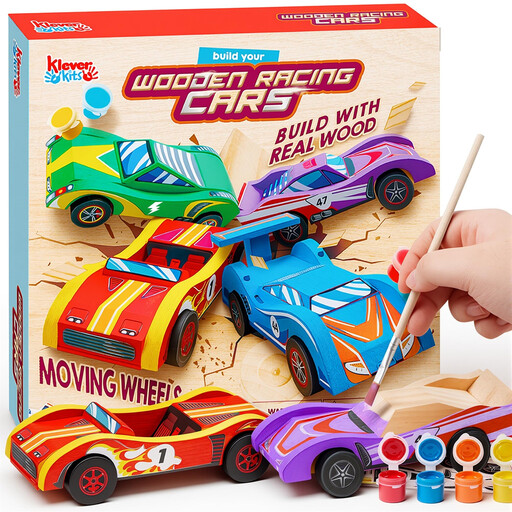
Why This Fits Their Persona: Designed for children aged eight and above, this wooden car painting kit is suited to children who enjoy building, decorating and keeping their creations.
It lists four cars, 44 pre-cut wooden pieces, paints, brushes, stickers, glue and instructions, making the contents easier to assess before purchase.
Provides four build-and-paint projects, 12 paint tubs, three brushes and racing stickers.
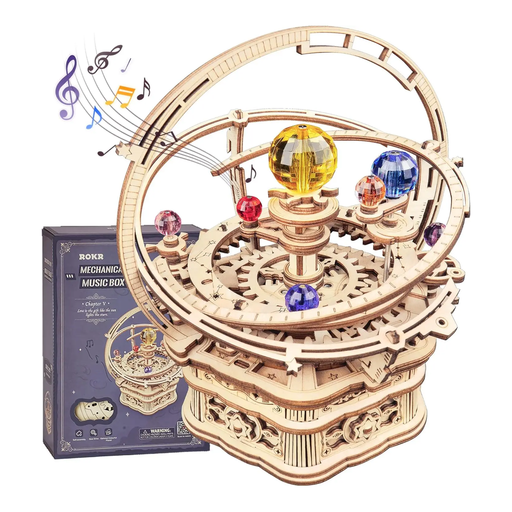
Why This Fits Their Persona: Recommended for ages 14 and above, this 84-piece wooden model suits teens and adults seeking a longer construction project and display item.
The listing states the 84-piece count, approximate three-hour assembly time, dimensions and advanced age guidance.
Creates a 13.5 x 13.5 x 15.5 cm rotating model with a manual mechanical music-box function and no batteries.
We have compiled a complete, real-time list of products that fully satisfy these strict selection criteria and UK safety regulations.
Some are. Check the product’s stated minimum age, small-parts warning and supervision instructions. Painting sets and larger-piece activities may be more manageable for younger children, while jewellery-making and model-building kits may suit older users.
Cover the table with newspaper or a washable mat, place small components in shallow trays and keep paints closed when not in use. Allow painted or glued items to dry in a safe area away from food and pets. Follow the product instructions for cleaning brushes and surfaces.
Many screen-free toys and creative activity sets do not require batteries. Painting, jewellery-making and wooden construction kits are generally powered by the child’s hands and imagination. Always check the product details, as some interactive craft sets may include electronic elements.