
24/7 Customer Support

Free returns

Same-day & Next-day Delivery

Quality Guaranteed

Unlock Your Welcome Offers: FREE Delivery | Up to 80% OFF | Free 30-day JoyPlus trial
Download the APP
Cranberry products cover very different shopping needs, from dried cranberries for baking to cranberry sauce for Sunday roasts and concentrated supplements for convenient daily use. The main mistake is treating them as interchangeable. A sweetened snack is not equivalent to a cranberry capsule, while a sauce designed for turkey may not suit someone looking for a portable office snack.
Before buying, check what you are actually purchasing, how much added sugar it contains and whether the product is suitable for your dietary requirements. The following guide explains the main pitfalls and highlights suitable options for different UK lifestyles.
Dried fruit and sauces are foods intended for eating, cooking or serving. Cranberry supplements, including cranberry gummies and cranberry capsules, contain concentrated extracts and must be used according to their labels.
A supplement may mention urinary tract support, proanthocyanidins or cranberry extract, but these descriptions should not be treated as a diagnosis or treatment for a health condition. Anyone experiencing urinary symptoms should seek appropriate advice from a GP or pharmacist rather than relying on a food supplement.
Cranberries have a naturally sharp flavour, so many dried products contain added sugar. For example, J.ZAO Whole-Berry Dried Cranberries list cranberries at 76.9% and provide 59.8g of sugars per 100g. Whitworths Cranberries contain 65.3g of sugars per 100g, while Three Squirrels Daily Dried Cranberries contain 78.4g per 100g.
These can still be useful in small portions, but check the per-100g nutrition panel and serving size rather than relying on phrases such as “natural”, “whole fruit” or “no-additive” in the product title.
Moist dried cranberries can stick together or lose texture if exposed to heat and humidity. Look for clear storage instructions, a resealable container or individual portions if you plan to carry snacks to work or school.
For sauces, check the instructions after opening. Stokes Cranberry Sauce should be refrigerated once opened and consumed within six weeks, subject to the best-before guidance on the lid.
Ingredients are listed in descending order by weight. A product with cranberries listed first may have a different balance from one containing mostly sugar. J.ZAO Whole-Berry Dried Cranberries contain 76.9% cranberries, while Wolong Dried Cranberries contain 57% cranberries, with sugar and sunflower oil also included.
For sauce, Stokes contains 42% cranberries, alongside unrefined raw cane sugar, water, fruit pectin, citric acid and sorbic acid. This composition gives it a spoonable texture suited to meals rather than casual snacking.
A 100g pack can appear convenient, but dried fruit is energy-dense. Compare the serving size with how you expect to eat it:
Three Squirrels provides 256g as 16 individual 16g packs, which can make portion control easier. Be&Cheery offers a smaller 100g pack for occasional snacking or trial use.
Vegans should check the capsule shell, glazing agents and other ingredients. Vitabiotics Ultra Cranberry is listed as suitable for vegans, while NOW Foods Cranberry Urinary Health uses hypromellose cellulose capsules. By contrast, Swanson Cranberry Urinary Health contains gelatine and soya, making it unsuitable for some dietary requirements.
For cranberry and D-mannose products, check the complete formula and recommended intake. Novomins Cranberry & D-Mannose Gummies include cranberry extract, D-mannose, zinc, magnesium, biotin and inulin. Always read the label, particularly if pregnant, breastfeeding, taking medication or managing a medical condition.
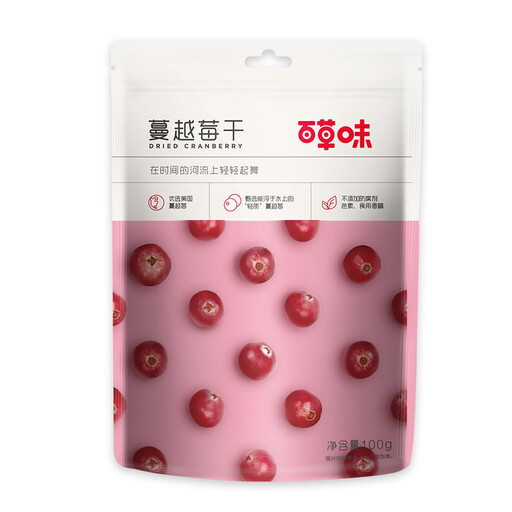
Why This Fits Their Persona: The compact 100g pack suits shoppers who want to try sweetened dried cranberries for cereal, yoghurt, baking or occasional snacking without committing to a larger quantity.
The ingredient list clearly identifies cranberries, white sugar and sunflower oil, while the nutrition panel provides a straightforward basis for portion planning.
100g net weight; ready to eat; suitable for adding to cereals, yoghurt and baked recipes.
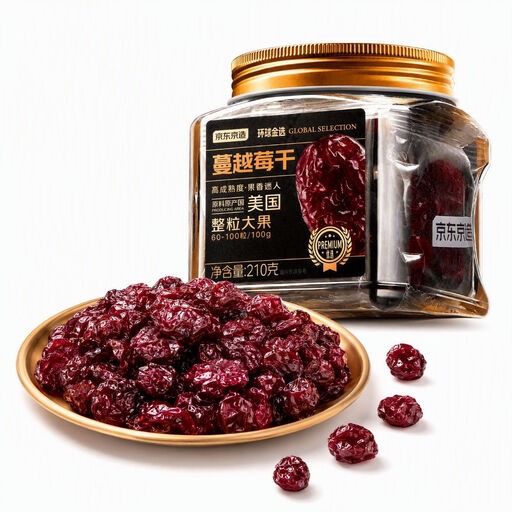
Why This Fits Their Persona: The 210g jar is suited to households that use dried fruit across afternoon snacks, porridge, yoghurt, tea drinks and baking.
Its listed cranberry percentage and full ingredient declaration make it easier to assess the “whole-berry” positioning rather than relying on packaging language alone.
76.9% cranberries; 210g sealed jar; no listed allergens; ready to eat.
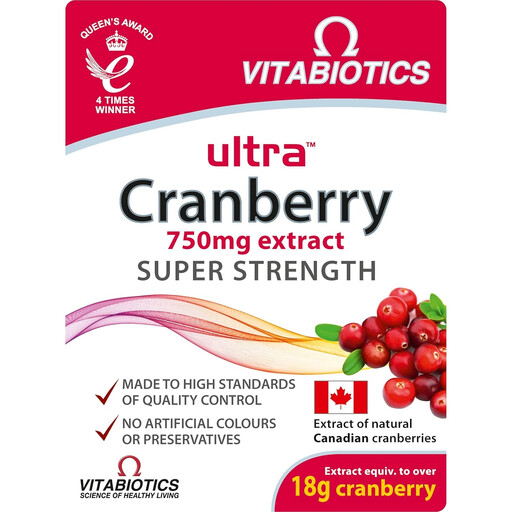
Why This Fits Their Persona: Adults wanting a compact, measured cranberry supplement may prefer tablets over juice, sauce or sweetened snacks.
The label states the cranberry extract amount, adult suitability, vegan status and maximum recommended intake, allowing a more informed comparison with cranberry capsules or gummies.
750mg cranberry extract per tablet; 30-tablet pack; listed as suitable for vegans.
For a traditional meal accompaniment, Stokes Cranberry Sauce 260g contains 42% cranberries and works with turkey, cheese or gravy. For vegan shoppers seeking chewable supplementation, Nutrigums Cranberry & Vitamin C Complex Gummies use pectin rather than gelatine. Those comparing vegan cranberry supplements in capsule form may also consider NOW Foods Cranberry Urinary Health Capsules.
We have compiled a complete, real-time list of products that fully satisfy these strict selection criteria and UK safety regulations.
They can be included in a varied, balanced diet, but many are sweetened and contain substantial sugar per 100g. Use the nutrition panel to choose a suitable portion, and consider pairing them with yoghurt, oats or nuts rather than eating directly from a large bag.
Cranberry tablets, capsules, gummies and cranberry and D-mannose formulas are designed for supplementary use, while sauce and dried fruit are food products. Check the label carefully and speak to a GP or pharmacist if you have urinary symptoms, take regular medication or are pregnant or breastfeeding.
Shelf life varies. Keep dried fruit sealed in a cool, dry place and follow the pack instructions. Cranberry sauce generally requires refrigeration after opening; Stokes advises consumption within six weeks and by the stated best-before date. Supplements should remain in their original container, stored according to the label and kept out of children’s reach.