
24/7 Customer Support

Free returns

Same-day & Next-day Delivery

Quality Guaranteed

Unlock Your Welcome Offers: FREE Delivery | Up to 80% OFF | Free 30-day JoyPlus trial
Download the APP
Crayfish products now cover far more than frozen seafood. UK shoppers can choose from spicy crayfish snacks, crayfish-flavoured noodles, cooking sauces, crayfish stock, cooked crayfish tail meat and spicy crayfish dumplings. The right choice depends on whether you want a quick snack, a convenient meal or an ingredient for Chinese and Asian crayfish dishes.
However, attractive packaging can make it difficult to compare products fairly. Before adding anything to your basket, consider these common buying pitfalls.
Some noodles and snacks use artificial crayfish flavouring or crayfish seasoning rather than a substantial amount of shellfish. This is not necessarily a problem, but it creates a different eating experience from products containing actual crayfish.
Check the ingredients list for terms such as crayfish powder, crayfish sauce, crayfish meat or artificial flavouring. A snack may deliver a seafood-style taste without being a source of cooked crayfish meat.
Crayfish is a crustacean and must be treated as a significant allergen. Many related products also contain wheat, gluten, soybeans, sesame or sulphites. Read the current packaging before serving, particularly when cooking for guests.
Seasoning sachets can also make noodles and sauces relatively high in salt. For example, the listed salt content for the Bai Xiang five-pack is 3.3g per 100g, while the Wu Gu Dao Chang version lists 4.3g per 100g. These figures are useful for comparing products, but always check the serving size and full label.
Shelf-stable noodles and crisps are easy to store, while frozen tail meat, dumplings and stock require more planning. Check whether the product needs freezer space, refrigeration after opening or cooking from frozen.
A 1kg tub of crayfish stock may offer useful quantity for batch cooking, but it is less suitable if you only prepare seafood dishes occasionally. Conversely, individually packaged noodles may be more practical for cupboards and quick weekday meals.
For Chinese crayfish food and Asian-inspired dishes, look for supporting flavours such as chilli, Sichuan pepper, garlic, ginger, sesame, soy sauce or fermented vegetables. These ingredients help indicate whether the product is intended to deliver a spicy and numbing profile, a savoury seafood taste or a more delicate flavour.
For example, crayfish potato chips and spicy crayfish snacks are ready to eat, whereas crayfish seasoning is designed to be combined with fresh or frozen crayfish. Crayfish-flavoured noodles may contain seasoning designed to imitate the flavour rather than actual shellfish meat.
Compare products using both per-100g nutrition and the realistic amount you will eat. The Lay’s Spicy Crawfish Flavour crisps list 162 kcal and 0.5g salt per 30g serving. By contrast, noodle nutrition is usually listed per 100g and may not include additional toppings or vegetables.
For a lighter-tasting meal, you could use part of a seasoning sachet and add greens, mushrooms or protein. This changes the finished dish, so it should not be treated as a replacement for the manufacturer’s instructions.
Frozen seafood should be kept at -18°C or below and defrosted according to the packaging. The Nordic Seafood cooked crayfish tail meat is supplied frozen and should not be refrozen after defrosting. It can be added to salads, pasta, risotto or open sandwiches after refrigerator defrosting.
Shelf-stable noodles should be kept in a cool, dry place. Dumplings such as FRESHASIA Spicy Crayfish Dumplings can be cooked from frozen by boiling, steaming or pan-frying. Always follow the product label, particularly where cooking times and safe handling differ.
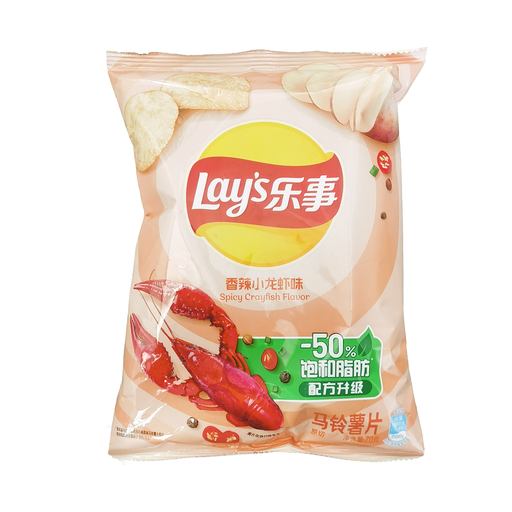
Why This Fits Their Persona: A ready-to-eat 70g pack suits shoppers who want to try a spicy Asian-inspired snack without committing to a larger multipack or frozen ingredient.
The ingredient list identifies crayfish powder and crustaceans, helping shoppers distinguish it from a snack containing only generic seafood flavouring.
Ready to eat; 30g serving nutrition is provided; compact pack for cupboards, lunchboxes or sharing.
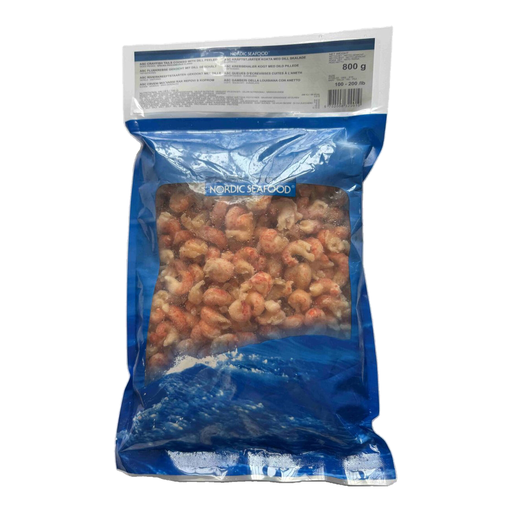
Why This Fits Their Persona: Suitable for seafood fans preparing salads, chilled platters, pasta or risotto who prefer a cooked ingredient rather than a flavoured snack or instant meal.
It lists crayfish as the ingredient and provides frozen storage guidance, reducing uncertainty about whether the product is a flavouring or prepared seafood.
Cooked tail meat; dill seasoning; 800g quantity; ASC certification stated in the product information.
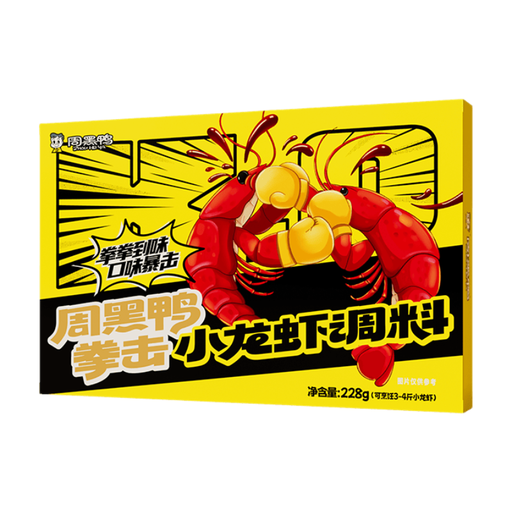
Why This Fits Their Persona: A practical option for home cooks who prepare larger batches of crayfish or want one seasoning base for noodles and vegetables.
The stated preparation quantity is 1.5–2kg of crayfish, making the intended batch size clearer than single-use flavour sachets.
228g pack; cooking guidance supplied; leftover sauce can be used with noodles or vegetables.
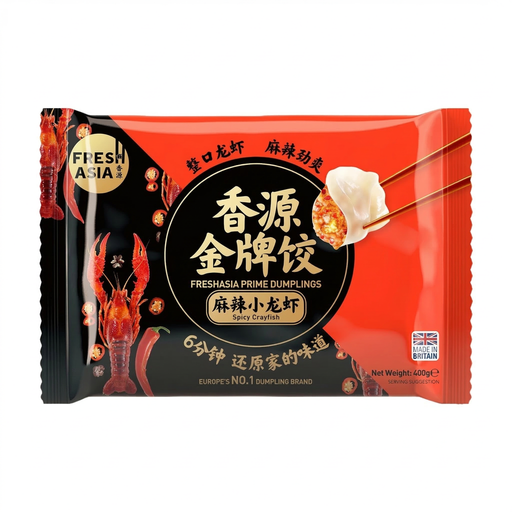
Why This Fits Their Persona: Frozen dumplings suit busy households wanting a filling meal or sharing dish with several cooking methods.
The filling and wrapper ingredients are listed separately, and the pack states that it can be cooked from frozen.
400g pack; suitable for boiling, steaming or pan-frying; contains seasoned crayfish, pork and vegetables.
We have compiled a complete, real-time list of products that fully satisfy these strict selection criteria and UK safety regulations.
Not automatically. Products containing crayfish, crayfish powder, crayfish sauce or crustacean flavouring may be unsuitable. Check the allergen statement on the latest packaging and avoid relying solely on product photographs or descriptions.
Defrost it in the refrigerator overnight, following the pack instructions. It can then be served in salads and sandwiches or added to warm pasta and risotto. Do not refreeze once defrosted.
Instant noodles, rice noodles and frozen dumplings generally require less preparation than seasoning mixes or stock. For cupboard storage, crayfish-flavoured noodles are convenient; for a more substantial meal, dumplings or cooked crayfish tail meat offer additional serving options.