Couples planning a cooked anniversary dinner
Decide whether the dish needs a creamy, spreadable component or grated cheese for a topping. UK retailer listings show these as different shopping categories.


Sainsbury’s and Waitrose list cream cheese separately from grated cheeses such as Cheddar and mozzarella, so do not assume that “pre-grated cream cheese” will serve either purpose. For an anniversary dinner, choose plain cream cheese when the recipe needs a creamy base, flavoured soft cheese when its seasoning suits a savoury serving, or grated cheese when the dish calls for a topping or an addition to a cooked dish. Check the exact pack for ingredients, allergens and storage instructions.
Decide whether the dish needs a creamy, spreadable component or grated cheese for a topping. UK retailer listings show these as different shopping categories.
A flavoured soft cheese may suit crackers or savoury canapés when its seasoning fits the rest of the menu. Boursin describes its Garlic & Herbs cheese as spreadable.
Read the exact pack’s ingredients, allergen declaration and storage instructions. If a guest is pregnant, check the cheese type and pasteurisation information against NHS guidance.
Start with the cheese’s job in the dish, then check flavour and the instructions on the pack you intend to serve.
| Priority | What to check | Your needs |
|---|---|---|
| Format | Check whether the recipe calls for cream cheese or grated cheese. Sainsbury’s and Waitrose list tubbed soft cheeses separately from grated Cheddar, mozzarella and other cheeses. | If I’m making a creamy dip or filling, I need a spreadable cheese. For a grated topping, I’ll choose a cheese labelled for that use instead. |
| Flavour | Check whether the cheese is plain or seasoned, and read the ingredient list. Boursin lists garlic and herbs in its Garlic & Herbs soft cheese. | I want to control the seasoning in a sauce or dessert; for savoury canapés, an existing garlic-and-herb flavour might fit. |
| Pack and storage | Check the amount needed, use-by date, refrigeration instructions and directions after opening. M&S specifies different opened-use periods for its grated mature Cheddar and jalapeño cream-cheese spread. | Will I serve enough of this pack at dinner, and can I follow its instructions for anything left over? |
| Guest requirements | Read the current allergen and ingredient labels. For a pregnant guest, check the cheese type and pasteurisation information: the NHS lists pasteurised cream cheese among cheeses suitable in pregnancy. | I need to check the actual cheese served against my guests’ stated requirements, rather than assuming all soft or grated cheeses are alike. |
Grated cheese and cream cheese appear as different product groups in the UK retailer listings from Sainsbury’s, Waitrose and Tesco. A grated topping will not provide the same spreadable base as cream cheese.
Choose the format by its role in the dish: tubbed cream cheese for a creamy base, or an appropriately labelled grated cheese for a topping.
Boursin lists garlic and herbs in its Garlic & Herbs cheese. Those flavours will become part of the finished dish.
Use plain cream cheese when you need to control the seasoning or make a sweet dish; choose a flavoured version when that flavour is intentional.
M&S directs customers to eat its grated mature Cheddar within 3 days of opening, but its jalapeño cream-cheese spread within 24 hours. Both examples require refrigeration at 0°C to +5°C.
Follow the use-by date, refrigeration directions and opened-use instruction on the exact pack you buy.
Ingredients and cheese types differ. The NHS lists pasteurised cream cheese as suitable in pregnancy, but that statement should not be applied to every cheese on the table.
Check each pack’s current allergens, ingredients and pasteurisation information before serving it to a guest with relevant requirements.
These examples help distinguish soft cheese from grated cheese; they do not imply that the same products appear in the Joybuy selection below.
Sainsbury’s lists Philadelphia Original and flavoured soft cheeses in its cream-cheese category.
Boursin describes its Garlic & Herbs soft cheese as mostly creamy and easy to spread on a cracker.
Tesco lists grated mozzarella, mature Cheddar and other cooking cheeses in its grated-and-sliced range.
Sainsbury’s lists tubs of cream cheese and soft cheese separately from grated Cheddar, mozzarella and blends.
M&S lists cream-cheese spreads alongside separate grated-cheese products, including mozzarella and Cheddar.
Waitrose provides separate cream-cheese and grated-cheese listings, including grated Cheddar and mozzarella products.
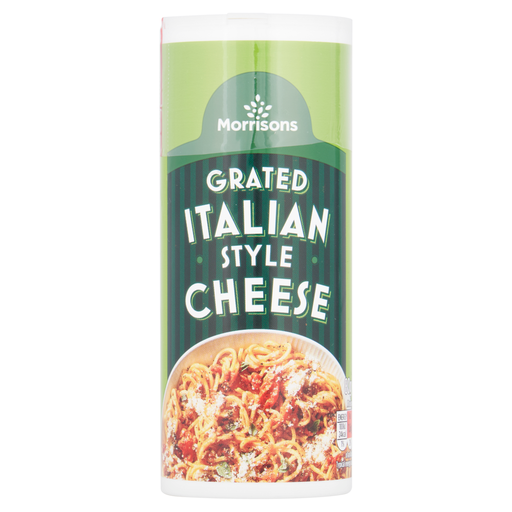
This grated Italian-style cheese is an option to consider when an anniversary-dinner recipe calls for grated cheese, not a substitute for a spreadable cream-cheese base.
 No image available
Consider this 80g pack when the dish calls for grated cheese rather than a soft, spreadable base. Check the current pack for its exact cheese ingredients, allergens, pasteurisation and refrigeration instructions before serving.
Do not assume that grated cheese is cream cheese in another format. The Sainsbury’s, Waitrose and Tesco listings place cream cheese or soft cheese separately from grated products such as Cheddar and mozzarella; check which format your recipe requires.
Choose a cream cheese or spreadable soft cheese that suits the recipe. A plain version lets you control the flavour; a flavoured version is suitable only if its listed seasoning fits the dish.
Look for the grated cheese specified by the recipe, such as mozzarella, Cheddar, Parmesan or a blend. UK retailer grated-cheese listings identify these as different products from tubbed cream cheese, so check the label rather than substituting by name alone.
Check the cheese type and pasteurisation information on the actual pack. The NHS lists pasteurised cream cheese among cheeses suitable in pregnancy; that guidance does not establish the suitability of every other soft or grated cheese.
Follow the instruction on the exact pack. M&S states 3 days after opening for its grated mature Cheddar and 24 hours for its jalapeño cream-cheese spread, with both examples requiring refrigeration at 0°C to +5°C; those periods are not a rule for other cheeses.