Cold sandwich and bagel makers
For bread, bagels, wraps or crackers that you will eat cold, compare plain, whipped and flavoured soft cheeses that can be spread directly onto them.


Choose spreadable cream cheese or soft cheese for a cold bagel, sandwich or cracker lunch; choose grated cheese when you want a topping for a heated meal. Tesco Groceries lists cream cheese separately from grated mozzarella, cheddar and cheese mixes, so “pre-grated cream cheese” is not a useful substitute for deciding which format your lunch needs. If you plan to use a pack across several weekdays, compare its size, nutrition label, allergens and instructions for storage after opening.
The way you plan to serve the cheese determines whether a spread or a grated topping belongs on your shopping list.
For bread, bagels, wraps or crackers that you will eat cold, compare plain, whipped and flavoured soft cheeses that can be spread directly onto them.
For a heated toastie, pasta dish or jacket potato, look at grated mozzarella, cheddar or cheese mixes as toppings. They serve a different purpose from a cold cream-cheese spread.
If you will use a tub over several lunches, compare its size with how much you expect to use. Check the pack’s refrigeration and after-opening instructions, along with its nutrition and allergen information.
Decide whether the cheese needs to spread or top a heated meal, then compare the details on the exact pack you intend to use.
| Priority | What to check | Your needs |
|---|---|---|
| Meal format | Check whether the product is soft and spreadable or grated. Tesco Groceries lists cream cheese in its soft-and-spreadable range and mozzarella, cheddar and cheese mixes in its grated-cheese range. | For a cold bagel, I want a spread. If I’m heating a toastie or pasta dish, I want a grated topping instead. |
| Flavour and portions | Compare plain and garlic-and-herb soft cheese for the flavour you want. If you use small amounts at a time, check the available tub and portion formats. | I’d choose a plain spread when I want to add my own fillings; a seasoned cheese makes more sense when I want that flavour ready to use. |
| Nutrition label | Compare fat, saturates and salt per 100 g on the current packs. Marks & Spencer declares 11.5 g fat, 7.3 g saturates and 0.35 g salt per 100 g for its Lighter Creamy Soft Cheese. | If those values matter to my choice, I can compare products on the same per-100-g basis rather than relying on names such as “lighter” or “flavoured”. |
| Storage and pack size | Read the refrigeration, use-by and after-opening instructions for the specific product. Marks & Spencer and Waitrose & Partners give five days after opening for the soft cheeses described in their product pages; that period should not be assumed for other packs. | When I’m making several weekday lunches, I want a pack I can use while following its own storage instructions. |
| Ingredients and allergens | Check the current pack’s ingredients and allergen statement. The Food Standards Agency identifies milk as a common ingredient in cheese and cream; Boursin says its Garlic & Herbs Soft Cheese may contain traces of nuts. | If an ingredient or trace warning matters in my household, I need to check the exact product label before serving it. |
Grated mozzarella or cheddar will not serve the same role as a soft spread in a cold sandwich. Tesco Groceries lists these formats in separate cheese categories.
Decide whether you are assembling a cold lunch or adding a topping to a heated one before choosing the cheese.
“Plain”, “flavoured” and “lighter” do not give you comparable figures for fat, saturates and salt.
Use the per-100-g declarations on the current packs when comparing products, rather than comparing different serving sizes.
A pack that remains open beyond its stated period may not fit a routine of small lunches. The Marks & Spencer and Waitrose & Partners soft-cheese examples specify use within five days of opening.
Compare tub and portion sizes with your planned lunches, and follow the storage and after-opening instructions on the pack you buy.
Food left unused when the pack’s after-opening period ends may be wasted.
Flavoured cheeses can include ingredients and trace warnings beyond those you expect from a plain soft cheese. Boursin Garlic & Herbs, for example, lists garlic and herbs and says it may contain traces of nuts.
Read the physical pack’s ingredients and allergen statement before serving, particularly when an allergy or intolerance is relevant.
These examples show the different formats to compare; a brand name alone does not establish the ingredients or storage instructions of every product in its range.
Philadelphia Original is a soft cream cheese for spreading on cold lunches.
Boursin Garlic & Herbs is a seasoned soft-cheese option for a spread or cracker topping.
Tesco Groceries lists soft cheeses and grated cheeses in separate ranges, making the format distinction useful when planning lunch.
M&S lists whipped and lighter soft cheeses that can be compared for a spreadable lunch.
Waitrose & Partners lists Essential Soft Cheese as a plain soft-cheese option.
This Joybuy option is grated cheese for a heated meal, not a spreadable cream cheese for a cold bagel or sandwich.
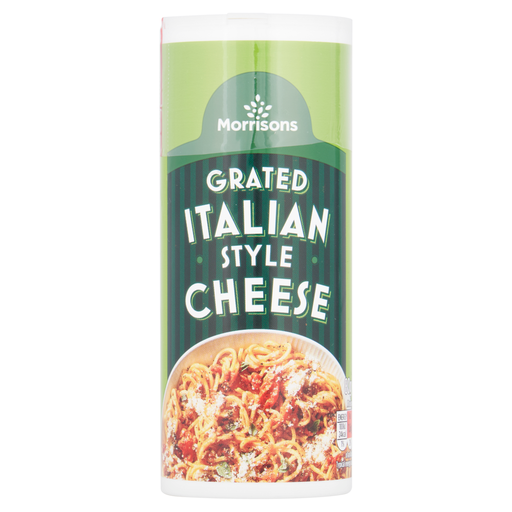 No image available
Consider this grated cheese when your working-from-home lunch calls for a topping on a heated dish rather than a cold spread. The pack is labelled 80g; check its current ingredients, allergens and storage instructions for your intended use.
Start with how you will eat the cheese: choose a soft, spreadable product for a cold bagel or sandwich, or grated cheese for a heated topping. Tesco Groceries lists cream cheese separately from grated mozzarella, cheddar and cheese mixes, so check the product format rather than assuming the terms are interchangeable.
Follow the period and storage instructions on that tub. The Marks & Spencer and Waitrose & Partners soft-cheese products described here specify refrigeration and use within five days after opening, but that is not a rule for every cheese.
Keep chilled soft cheese refrigerated in line with its pack instructions rather than leaving it on your desk all day. GOV.UK food-hygiene guidance for businesses advises setting a fridge to 5°C or below and says chilled food left out for up to four hours must then be thrown away; check the product’s own storage directions too.
Read the current product pack’s ingredients and allergen statement before serving. The Food Standards Agency identifies milk as a common ingredient in cheese and cream, while Boursin says its Garlic & Herbs Soft Cheese may contain traces of nuts; do not assume another flavour or format has the same declaration.