Parents making a quick hot tea-time meal
For a toastie, pasta bake or another dish needing a grated topping, look at grated cheddar, mozzarella or a blend. Tesco Groceries lists these separately from its spreadable soft cheeses.


Choose cream cheese for a cold spread or dip, and grated cheese for a topping on a hot dish. They are different formats, so start with the meal, then check the exact pack for allergens, nutrition and storage instructions. For babies and young children, the NHS guidance on cheese specifically identifies pasteurised options; do not assume that any grated or soft cheese is suitable.
For a toastie, pasta bake or another dish needing a grated topping, look at grated cheddar, mozzarella or a blend. Tesco Groceries lists these separately from its spreadable soft cheeses.
For a bagel, wrap, sandwich or dip that needs a smooth spread, look at cream cheese or another spreadable soft cheese. Check the flavour and ingredients of the particular pack.
Check the pack’s allergens, saturated fat, salt, storage instructions and use-by date. For a baby or young child, check the cheese type and pasteurisation against the NHS’s age-specific guidance.
Choose the format that works for the dish before comparing flavours, labels and pack sizes.
| Priority | What to check | Your needs |
|---|---|---|
| Serving format | For a cold spread, check for cream cheese or spreadable soft cheese. For a hot topping, check whether the pack contains grated cheddar, mozzarella or a blend; choose the flavour of the specific product. | For a sandwich, I want cheese I can spread. For a toastie or pasta bake, I need a grated topping instead. |
| Allergens | Read the ingredients and highlighted allergens on the exact pack. The Food Standards Agency identifies milk as a common ingredient in cheese; check for any other listed allergens too. | If a child has a milk allergy or another food restriction, I need to establish whether this particular product fits their requirements before serving it. |
| Nutrition | Compare similar products using saturated fat and salt per 100g, then consider the amount used in the meal. The NHS notes that cheese can be high in saturated fat and salt. | I want to compare the cheeses I might actually use, rather than assume a grated topping or a reduced-fat label settles the choice. |
| Storage | Check the use-by date, refrigeration instructions and time allowed after opening on the pack. The grated-cheddar examples listed by M&S and Waitrose & Partners each specify use within three days of opening; other packs may differ. | A pack needs to fit the meals we expect to make while following its own opened-pack instructions. |
A spreadable cheese fits a cold sandwich or dip, while grated cheese provides a loose topping for a hot dish. The wrong format can make the intended preparation awkward.
Decide whether the meal needs spreading or sprinkling before choosing the cheese.
The Food Standards Agency identifies milk as a common ingredient in cheese. A familiar name or a previous purchase cannot stand in for the ingredients on the current pack.
Read the exact pack’s allergen statement, including any ingredients beyond milk that matter to the child.
Grated cheese saves a preparation step, but its format does not tell you its saturated fat or salt content. The NHS advises keeping both in view when choosing cheese.
Compare similar packs per 100g and consider the amount going into the dish.
The cited M&S and Waitrose & Partners grated-cheddar products both specify refrigeration and use within three days of opening. Their instructions should not be assumed to apply to every cheese.
Check the chosen pack’s storage directions and select a size that fits the planned meals.
A pack left unused beyond its stated opened-pack period may have to be discarded.
These ranges illustrate the spreadable and grated formats; choose from the ingredients and instructions on the product you buy.
Tesco Groceries and Waitrose & Partners list Philadelphia among their soft-cheese products, including original, light and portioned options.
Tesco Groceries and Waitrose & Partners list Boursin in their soft-cheese ranges, including garlic-and-herb products.
Tesco Groceries lists soft cheeses separately from grated cheeses, including mild grated cheddar and mozzarella.
M&S lists cream cheese and pre-grated cheeses as separate options, including mature grated cheddar.
Waitrose & Partners has distinct cream-cheese, soft-cheese and grated-cheese listings.
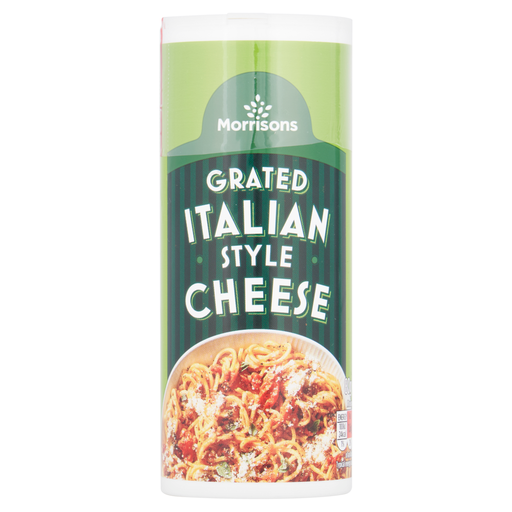
This grated-cheese option is for a hot dish that needs a topping, rather than a cold sandwich that needs spreadable cream cheese.
 No image available
An 80g pack of grated cheese for a hot dish needing a topping, not a spread for a cold sandwich.
The product information describes the cheese as made with raw milk and lists milk and egg allergens. Check the current pack and the child’s requirements before serving; for a baby or young child, check its suitability against the NHS guidance on pasteurised cheese.
No: the Tesco Groceries ranges list soft cream cheese separately from grated cheeses such as cheddar and mozzarella. If a recipe says “pre-grated cream cheese”, check whether it needs a smooth spread or a grated topping before choosing a product.
Check the exact product’s ingredients and allergen statement before serving it. The Food Standards Agency identifies milk as a common ingredient in cheese and notes that it can pose a risk to someone with an allergy or intolerance to milk or its constituents; follow the child’s existing allergy plan where applicable.
Check the cheese type and whether it is pasteurised. The NHS says babies can eat pasteurised full-fat cheese, including mild cheddar and cream cheese, from six months; it advises against certain mould-ripened, ripened goats’ and soft blue-veined cheeses for babies and young children unless thoroughly cooked. Do not assume a product’s grated format establishes its suitability.
Follow the storage and opened-pack instructions on the cheese you buy. The cited M&S grated mature cheddar specifies refrigeration at 0°C to +5°C and use within three days of opening; the cited Waitrose & Partners grated mature cheddar specifies storage below 5°C and the same opened-pack period. Other products may have different instructions.